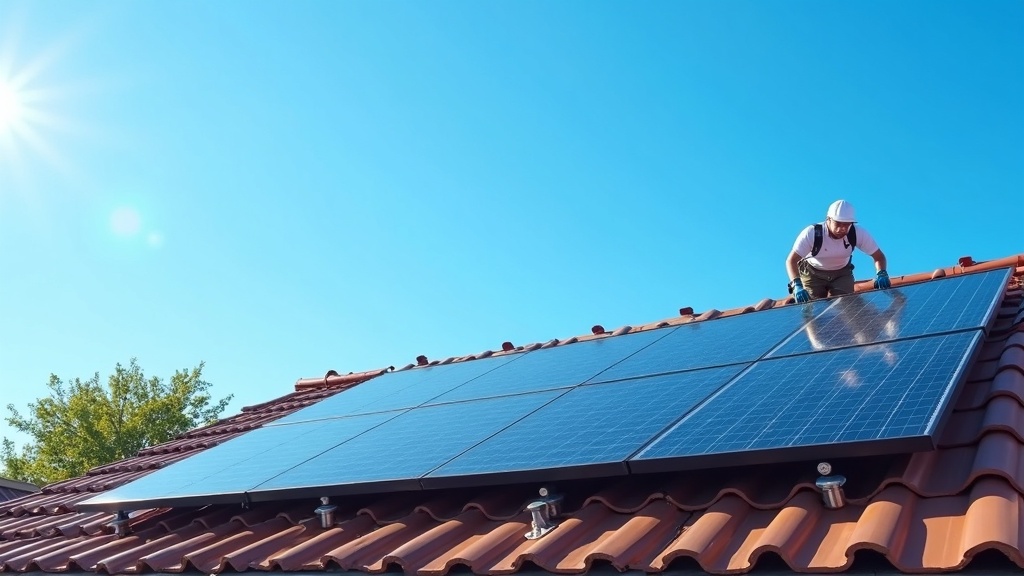
Solar tax credits and rebates generally work by reducing the net cost of a solar or battery system through one of a few mechanisms: a credit against income tax owed, a direct rebate paid by a government agency or utility, or a performance-based payment tied to the electricity the system produces. Which combination applies to a given household depends on the country, state or province, utility territory, and sometimes household income — and the rules change often enough that the only reliable figure is the one confirmed at the time of purchase. This article explains the general mechanics so you know what questions to ask, not what amount to expect.
The three broad categories of solar incentives
Most solar incentive programs fall into one of three structures, though a single household may qualify for more than one at once.
Tax credits
A tax credit reduces the amount of income tax owed, rather than reducing the purchase price at the register. In the United States, the federal residential solar tax credit is the best-known example, but its percentage, eligibility rules, and expiration date are set by federal law and have changed multiple times over the program’s history. Because a tax credit is claimed when filing taxes, its actual value to a household depends on tax liability, filing status, and whether the credit can be carried forward to future years — details that a tax professional, not a solar salesperson, is positioned to work through.
Rebates
A rebate is typically a direct payment or upfront discount administered by a state energy office, a utility, or occasionally a municipality. Rebates are often capped, funded in limited pools, and available on a first-come basis, meaning a program can pay out fully and close before a calendar year ends. Some rebates apply only to specific equipment types, income brackets, or system sizes, and many require pre-approval before installation begins rather than being claimed after the fact.
Performance-based incentives
Rather than paying for the equipment itself, some programs pay based on how much electricity a system actually generates over time, often through renewable energy credits or similar mechanisms. These are more common in certain state markets and vary widely in how they are priced, traded, or applied to a customer’s bill. A related but distinct mechanism is net metering or net billing, where the utility credits exported electricity against future consumption — a policy explained in more detail alongside how solar panels actually work to convert sunlight into usable power in the first place.
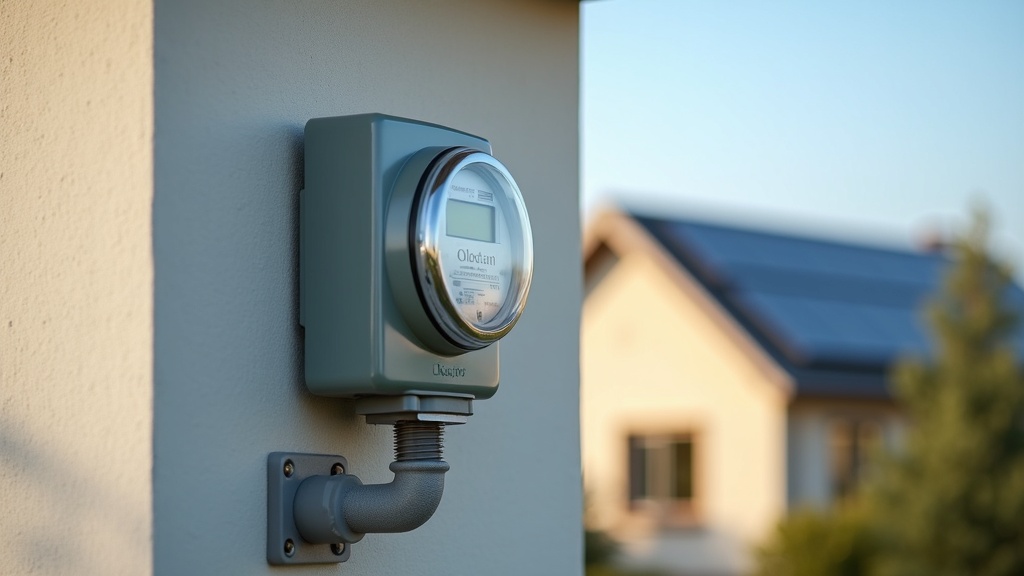
Who administers these programs, and why that matters
Incentives are not run by one single body. A federal tax credit is administered by a national tax authority. State or provincial rebates are run by a state energy office or similar agency. Utility-specific rebates are run by the utility itself, and some cities or counties layer on their own programs. Each administrator sets its own rules for eligibility, documentation, deadlines, and whether the incentive can be combined (“stacked”) with others. Overlapping rules mean a program that looks straightforward in a company’s marketing brochure can have caveats that only the administering agency can confirm — which is why checking directly with the program administrator, the utility, or a licensed local professional before signing anything is the only dependable step.
| Incentive type | Typically administered by | How it’s generally delivered |
|---|---|---|
| Income tax credit | National or federal tax authority | Applied when filing annual taxes |
| Rebate | State/provincial energy office or utility | Point-of-sale discount or post-installation payment |
| Performance-based incentive | State program or utility, often via credit markets | Ongoing payment tied to metered generation |
| Net metering/net billing | Utility, under state or provincial regulation | Bill credit for exported electricity |
What generally determines eligibility
Eligibility criteria vary by program, but common factors include:
- Ownership structure — many incentives apply only to systems the homeowner owns outright, not to leased systems or power purchase agreements, since the tax benefit or rebate is often tied to who holds title to the equipment.
- Installer or equipment certification — some rebate programs require the installer to be licensed or certified under a specific state or national registry, and may require specific equipment standards to be met.
- System size and interconnection approval — programs sometimes cap the system size that qualifies, or require utility interconnection approval before a rebate is released.
- Household income or property type — some rebate tiers are income-qualified, offer different amounts for primary residences versus rental properties, or are limited to certain building types.
- Timing — many programs require an application or reservation before installation starts, not after, and funding caps mean a program can close early in a given year.
Because these criteria differ so much by location, a household evaluating rooftop versus ground-mount solar or comparing installation quotes should treat any incentive figure quoted by a salesperson as a starting point for verification, not a guarantee.
How incentives interact with the rest of the system
Tax credits and rebates are only one part of the financial picture, and it helps to see how they connect to the rest of a home energy setup. A battery paired with solar, for instance, may qualify for its own separate incentive track distinct from the panels themselves — understanding how home battery storage actually works and how battery chemistry choices affect eligibility and lifespan is a separate but related question from the incentive question. Similarly, households that can’t install rooftop solar at all, whether due to roof condition, shading, or renting, sometimes have access to community solar programs, which carry their own distinct incentive and billing structures rather than the homeowner tax-credit model.
It’s also worth remembering that incentives address upfront cost, not the underlying performance of the system. A panel’s output changes over its lifespan regardless of what incentive paid for it, a topic covered separately in terms of solar panel efficiency and degradation over time. And for households weighing solar against other efficiency investments — insulation, a heat pump, or a smart thermostat — the broader home energy efficiency category covers incentive-adjacent projects that sometimes qualify for their own separate credits or rebates entirely apart from solar.
Questions worth asking before relying on any incentive figure
- Is this incentive currently active, and does it have a stated expiration date or funding cap?
- Does the specific system size, equipment, or installer meet the program’s certification requirements?
- Is the incentive a rebate paid at or after installation, a tax credit claimed later, or a performance payment spread over years?
- Can this incentive be combined with others, or does claiming one disqualify another?
- Who is the official source to confirm the current terms — a state energy office, the utility, or a national tax authority?
These are also useful questions to bring into any conversation with a contractor, alongside the broader list of questions to ask a solar installer before you sign anything.
Why the details change so often
Incentive programs are shaped by legislation, budget cycles, and utility rate cases, all of which can change independently of each other. A federal credit can be extended, reduced, or allowed to expire by new legislation. A state rebate pool can run out of funds mid-year. A utility can revise its net metering structure following a regulatory proceeding. None of this is unusual — it’s simply how incentive policy works — but it means any number seen in an advertisement, a neighbor’s account, or even last year’s program guide should be verified against the current version before it factors into a decision. Government resources such as the U.S. Department of Energy, ENERGY STAR, or a state-run incentive database are generally more reliable starting points than promotional material, since they’re required to reflect current program rules rather than a sales pitch.
Frequently asked questions about solar tax credits and rebates
Do solar tax credits and rebates apply automatically, or do I have to apply?
Almost none apply automatically. Tax credits are claimed when filing taxes, and rebates typically require an application, sometimes before installation even begins. Missing a required pre-approval step can disqualify an otherwise-eligible household, so confirming the process with the program administrator early matters.
Can I combine a tax credit with a utility rebate?
Sometimes, but not always — combination rules vary by program and are set independently by each administering body. Some programs reduce their payout if another incentive is also claimed. The only way to know for a specific household is to check directly with each program administrator involved.
Do incentives cover home batteries as well as solar panels?
Some programs extend to batteries installed alongside or independently of solar, while others cover only the panels themselves. Because battery incentive rules are frequently separate from solar incentive rules, it’s worth asking about each piece of equipment individually rather than assuming one approval covers both.
What happens if a rebate program runs out of funding?
Many rebate programs are funded in a fixed pool for a given period and stop accepting new applicants once that pool is exhausted, sometimes closing earlier than a stated end date. This is why timing and early application matter, and why a program administrator’s current status page is more reliable than a quoted figure from months earlier.
Does leasing solar panels qualify for the same tax credit as buying them?
Ownership structure generally affects eligibility significantly. Incentives tied to ownership, such as many tax credits, typically apply to the party that owns the system — which in a lease or power purchase agreement may be the leasing company rather than the household, a distinction worth clarifying before signing any agreement.
The Cleaner Energy publishes general information about clean energy technology, not financial, tax, legal or engineering advice. We are writers and editors, not installers, contractors or financial advisers. Incentives, rebates, utility rates and equipment costs vary by location and change over time — confirm current figures with the official program administrator, your utility, or a licensed local professional before making a purchase or installation decision.