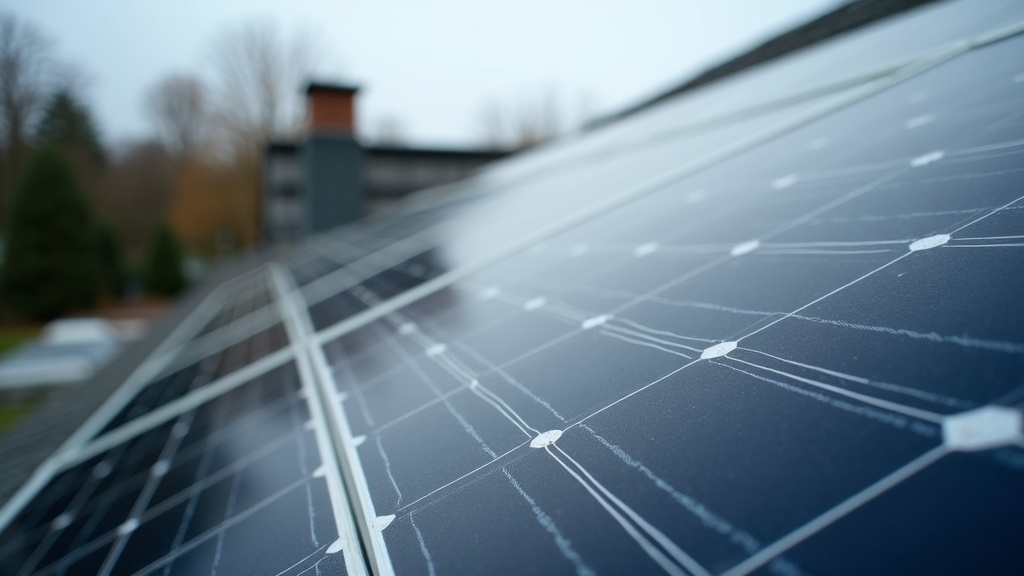
Solar panel efficiency describes how much of the sunlight hitting a panel gets converted into usable electricity, while degradation describes the slow, expected decline in that output as the panel ages. Most crystalline silicon panels lose a small fraction of a percent of their output each year, and manufacturers typically warranty a large share of original output out to 25 years. Both efficiency and degradation rates vary by panel technology, manufacturer, and installation conditions, so any number you’re quoted should be checked against the specific product’s documentation.
What “efficiency” actually measures
Efficiency is a lab measurement: the percentage of sunlight energy a panel converts to electricity under standardized test conditions. A panel rated near the higher end of the residential range is not automatically a “better” choice than one rated lower — efficiency mainly affects how much power you can generate per unit of roof area. On a large, unobstructed roof, a lower-efficiency panel may work fine because there’s room for more of them. On a small or oddly shaped roof, higher efficiency lets you fit more capacity into the available space. If you want the underlying physics of how sunlight becomes electricity in the first place, that’s covered separately in How Solar Panels Actually Work.
Efficiency numbers on a spec sheet are measured in controlled lab conditions — a fixed temperature, a specific light intensity, no dust, no shading. Real rooftops rarely match those conditions exactly, which is one reason actual production differs from the number printed on the panel.
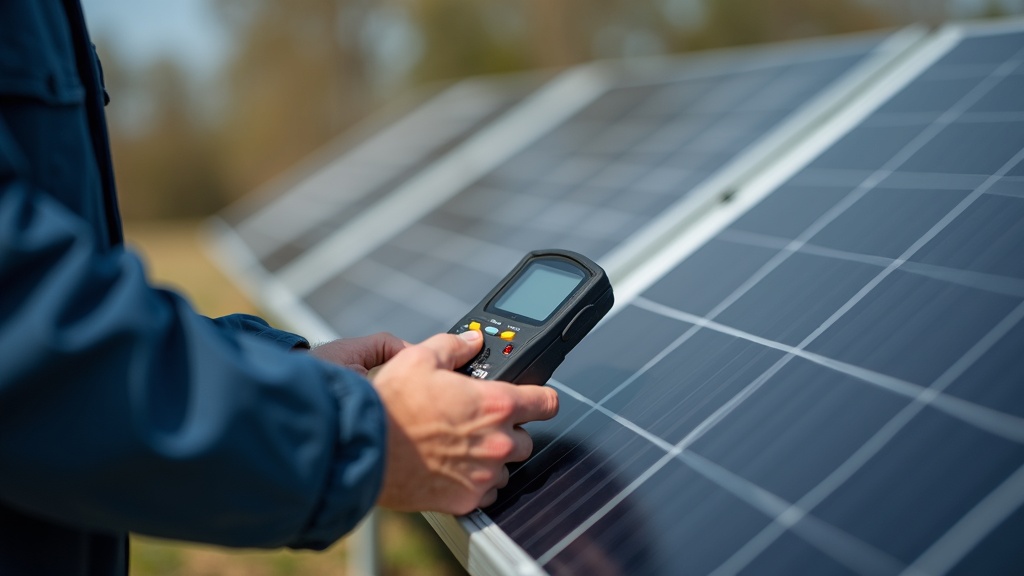
Why output declines over time
Degradation is the gradual, expected reduction in a panel’s power output as it ages, distinct from a sudden failure or defect. It happens for a mix of reasons:
- Light-induced degradation: a small drop that occurs in the first period after a panel is first exposed to sunlight, as the cell material settles into a stable state.
- UV exposure and thermal cycling: repeated heating and cooling, plus years of ultraviolet exposure, slowly affect the materials that encapsulate and connect the cells.
- Moisture ingress: over long periods, tiny amounts of humidity can reach the cell layers through the edges or seals, contributing to slow performance loss.
- Connection and solder point wear: the electrical connections between cells experience repeated expansion and contraction, which can very gradually raise resistance.
None of this means panels suddenly stop working after a set number of years. Degradation is typically slow and cumulative, and most panels continue producing usable electricity well past the end of any warranty period — just at a somewhat lower output than day one.
What a degradation rate actually looks like
Manufacturers publish an expected annual degradation rate, and it’s usually front-loaded: a slightly larger dip in the first year, then a steadier, smaller percentage loss each subsequent year. Panel warranties commonly guarantee that output won’t fall below a specified threshold by a certain year, often extending to a 25-year horizon. The exact percentages and thresholds differ by manufacturer and product line, and they change as manufacturers update product warranties, so the only reliable source for a specific panel’s numbers is that manufacturer’s current warranty documentation.
A simplified way to think about the shape of the curve:
| Period | General pattern |
|---|---|
| Year 1 | A modest initial dip as the panel stabilizes |
| Years 2–10 | A small, roughly steady annual decline |
| Years 10–25 | Continued gradual decline at a similar or slightly slower pace |
| Beyond warranty term | Panel often still functions, output continues declining slowly |
This is a general pattern, not a guarantee for any particular product — actual curves vary by cell technology and by the specific manufacturer’s engineering choices.
Factors that speed up or slow down degradation
Two identical panels installed in different locations or different conditions can age differently. Things that influence the real-world rate include:
- Climate: consistently high heat tends to accelerate the thermal stress that contributes to degradation, while cooler, temperate climates are generally gentler on panel materials.
- Mounting method and airflow: how a panel is mounted affects its operating temperature, which is part of why rooftop vs. ground-mount solar setups can behave slightly differently over time.
- Installation quality: proper sealing, wiring, and mounting reduce the chance of moisture ingress or mechanical stress that can accelerate wear — one reason installation workmanship matters as much as the panel itself.
- Local environment: salt air near coastlines, heavy pollen or dust, and snow load cycles all interact with panel materials differently depending on region.
- Manufacturing and materials: cell type, encapsulant material, and frame and junction-box design all affect long-term durability, and these differ across manufacturers and product tiers.
Because so much of this depends on climate and installation specifics, a degradation rate that applies well in one region may not describe another. This is a case where local conditions genuinely change the outcome rather than a detail to gloss over.
Reading a warranty without assuming it’s a savings promise
Solar warranties typically separate two things: a product or workmanship warranty covering physical defects, and a performance warranty covering output over time. The performance warranty is where degradation numbers appear, usually as a percentage of original rated output guaranteed at specific year markers. These documents describe what the manufacturer will do if a panel underperforms its stated curve — they are not a projection of your future electricity costs or a promise about how quickly any system pays for itself. Costs, local electricity rates, available incentives, and how much sunlight a specific roof receives all vary too much for a general article to responsibly estimate that kind of outcome. Anyone comparing quotes or warranty terms for a specific home is better served asking detailed questions directly, including the kind covered in What to Ask a Solar Installer Before You Sign.
Monitoring real-world performance
Most residential systems include some form of production monitoring, whether through an inverter’s built-in dashboard or a separate monitoring service. Tracking actual output over months and years is the only way to see how a specific installation’s real degradation compares to the manufacturer’s published curve — lab numbers and warranty thresholds are reference points, not a substitute for watching your own system’s data. Seasonal weather, shading changes from tree growth, and dust or debris accumulation can all cause short-term dips that look like degradation but aren’t; separating normal seasonal variation from a genuine downward trend usually takes more than a single year of data.
Efficiency, degradation, and incentive programs
Some incentive and rebate programs reference equipment certifications, warranty minimums, or performance standards as eligibility conditions. Because these programs are set by governments, utilities, or regional authorities, their rules and available funding change over time and differ by location — a program active in one state, province, or utility territory may not exist, or may have different terms, elsewhere. If a specific efficiency rating or warranty term matters to program eligibility, the official program administrator or the utility running the program is the only reliable place to confirm current requirements before assuming a product qualifies.
For general background on solar technology and how it fits into a broader home energy picture, the Solar Energy section collects related coverage on how these systems are designed, installed, and monitored.
Frequently asked questions about solar panel efficiency and degradation
How much do solar panels degrade per year?
Most published rates describe a small percentage of output lost annually, often with a slightly larger dip in the first year. The exact figure depends on the panel technology and manufacturer, so check the specific product’s performance warranty rather than assuming a single industry-wide number applies.
Do solar panels stop working after their warranty ends?
No. A warranty end date marks when a manufacturer’s output guarantee expires, not when the panel stops producing electricity. Many panels continue generating usable power well beyond their warranty term, just at a somewhat reduced output compared to when they were new.
Does panel efficiency rating tell me how much electricity I’ll get?
Not by itself. Efficiency is measured under standardized lab conditions and mainly indicates how much power a panel can produce per unit of area; actual output on a roof depends on sunlight exposure, shading, temperature, orientation, and system design.
Can degradation be caused by poor installation instead of the panel itself?
Yes, installation quality can influence real-world durability — sealing, wiring, and mounting all affect exposure to moisture and mechanical stress. This is separate from the panel’s inherent material degradation and is one reason installation workmanship is worth discussing directly with whoever installs a system.
Are higher-efficiency panels worth it for a home roof?
It depends on available roof space, shading, and design goals rather than a universal answer. Smaller or constrained roofs may benefit from fitting more capacity into less area, while larger roofs may have more flexibility — a question best explored with someone reviewing your specific roof and goals.
Related reading
Community Solar Explained: How It Works.
The Cleaner Energy publishes general information about clean energy technology, not financial, tax, legal or engineering advice. We are writers and editors, not installers, contractors or financial advisers. Incentives, rebates, utility rates and equipment costs vary by location and change over time — confirm current figures with the official program administrator, your utility, or a licensed local professional before making a purchase or installation decision.