String Inverters vs Microinverters: What Differs
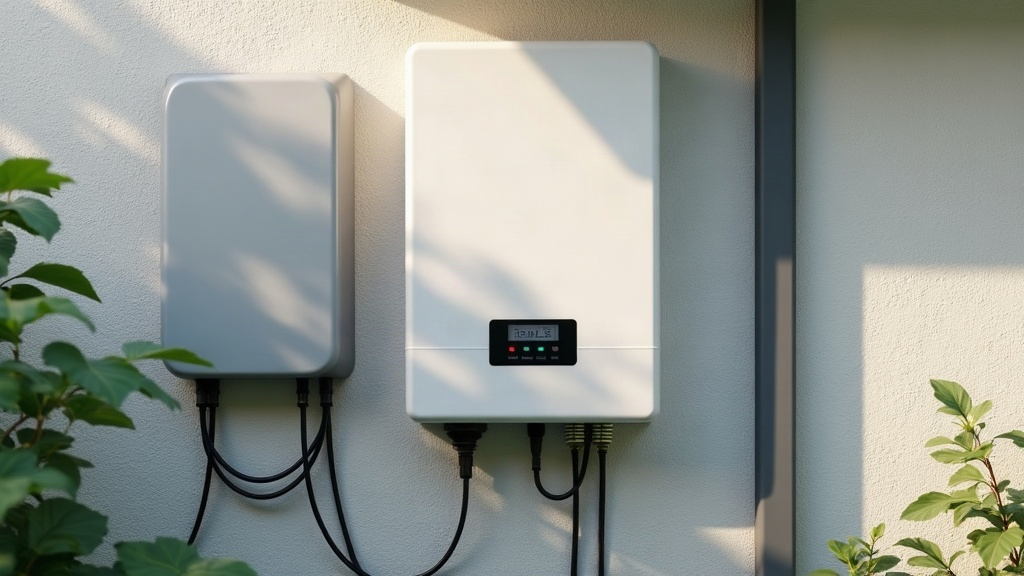
String inverters and microinverters differ in shading tolerance, cost, and battery compatibility. Here’s the decision rule that actually matters.
Clear, practical explainers for solar, wind, EVs, and cutting your home energy bill
String inverters and microinverters differ in shading tolerance, cost, and battery compatibility. Here’s the decision rule that actually matters.
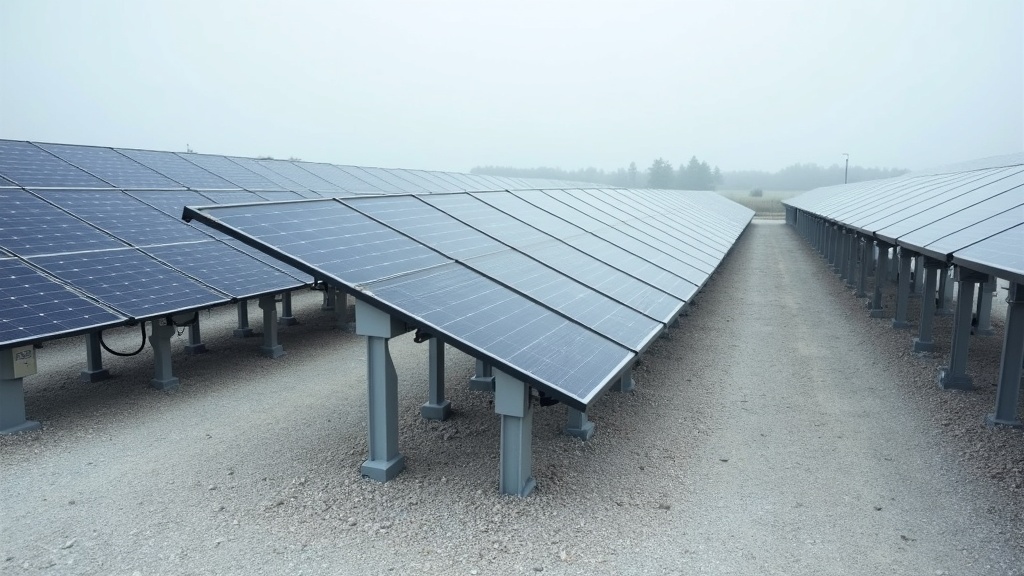
Bifacial solar panels capture light on both sides. Here’s the physics, and a decision-rule for when the extra cost actually pays off.
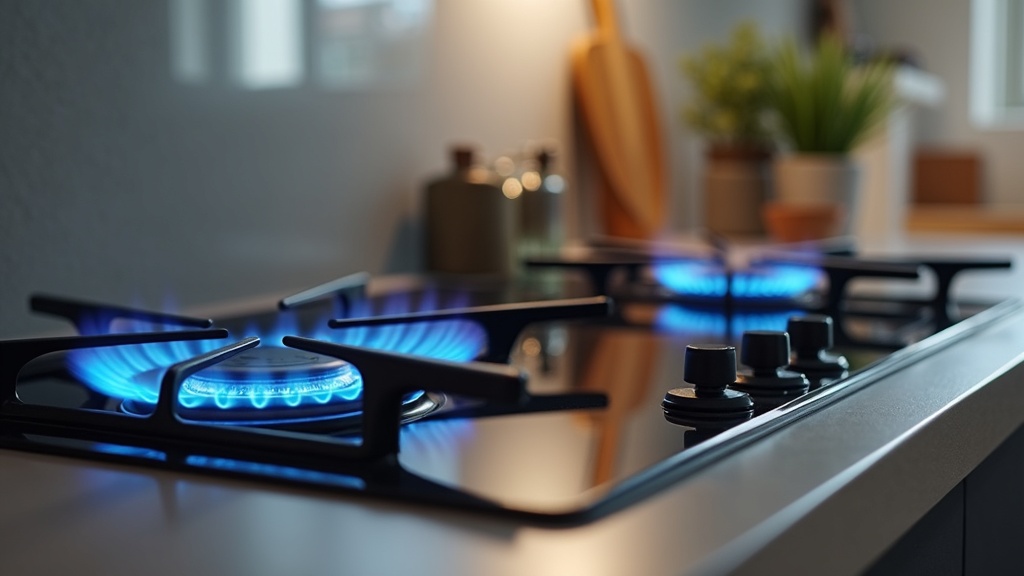
Electric and gas appliances differ in how they make heat, efficiency, installation needs, and costs that vary by location. Here’s the mechanics.
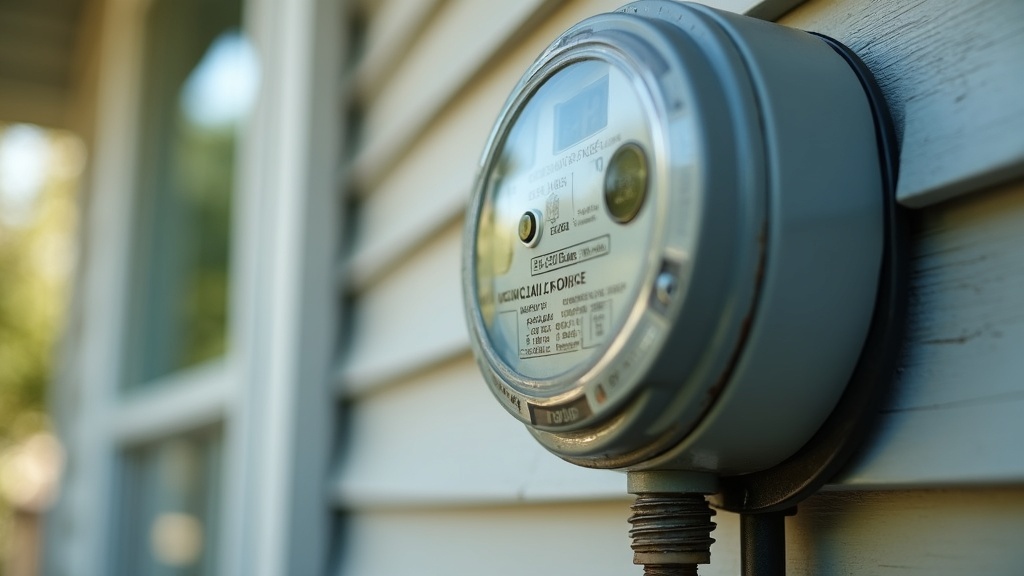
A plain-language guide to reading the charges, rates, and usage data on your home energy bill.

A clear, no-hype guide to how composting actually works, what to put in a bin, and how to fix common beginner problems.

How to lower home energy use with habits, settings, and low-cost fixes—no solar panels or new equipment required.

Green and blue hydrogen are made differently and have different emissions profiles. Here’s how the production methods actually compare.

Geothermal energy explained: how underground heat generates electricity and warms homes, where it works, and what to ask before you consider it.
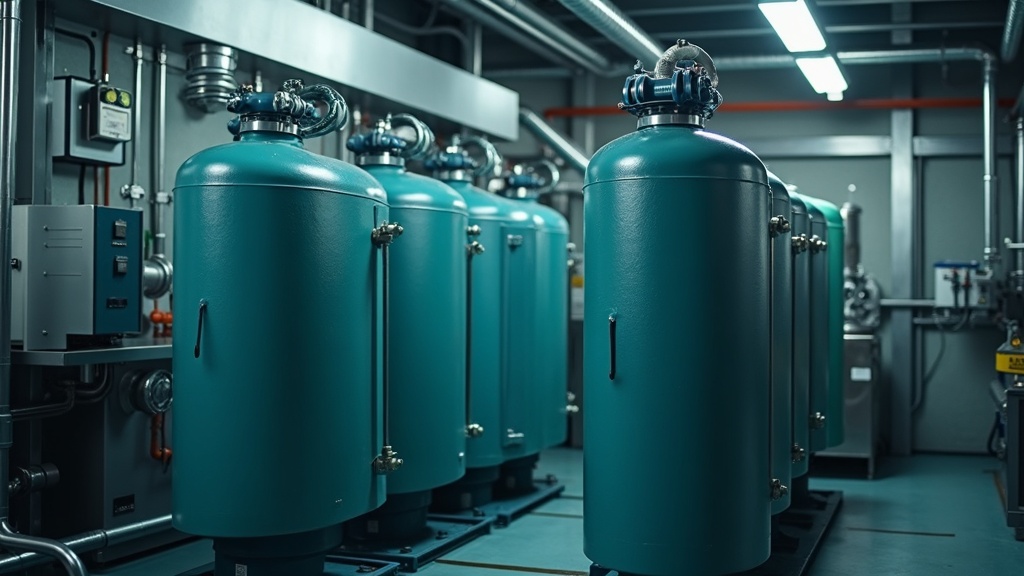
How hydrogen fuel cells generate electricity, where they’re used today, and what determines whether they make sense.
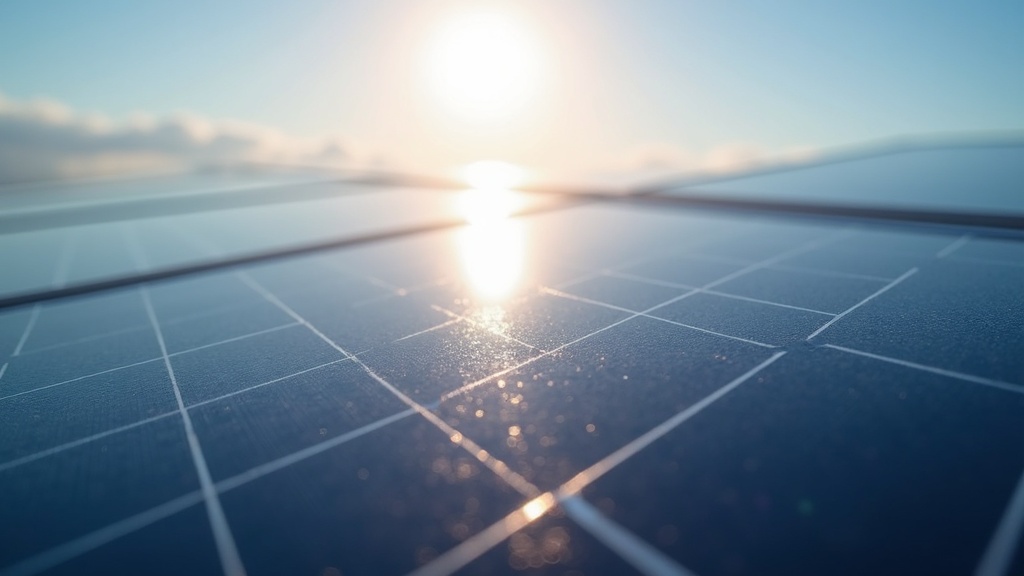
A plain-language look at the physics inside a solar cell — from photons hitting silicon to usable electric current.
About what you read here. Everything on The Cleaner Energy is general information and our own editorial opinion. We research carefully and we say when the evidence is unclear, but we can be wrong, things change, and no article can know your particular situation. Please do your own research and make your own judgement rather than treating anything here as the final word. Prices, products and specifications around clean energy and home efficiency change constantly, and what suits one person will not suit another. Check current details yourself, and where a decision involves real money, safety or something you cannot undo, it is worth confirming with a qualified installer or your energy supplier before you act.