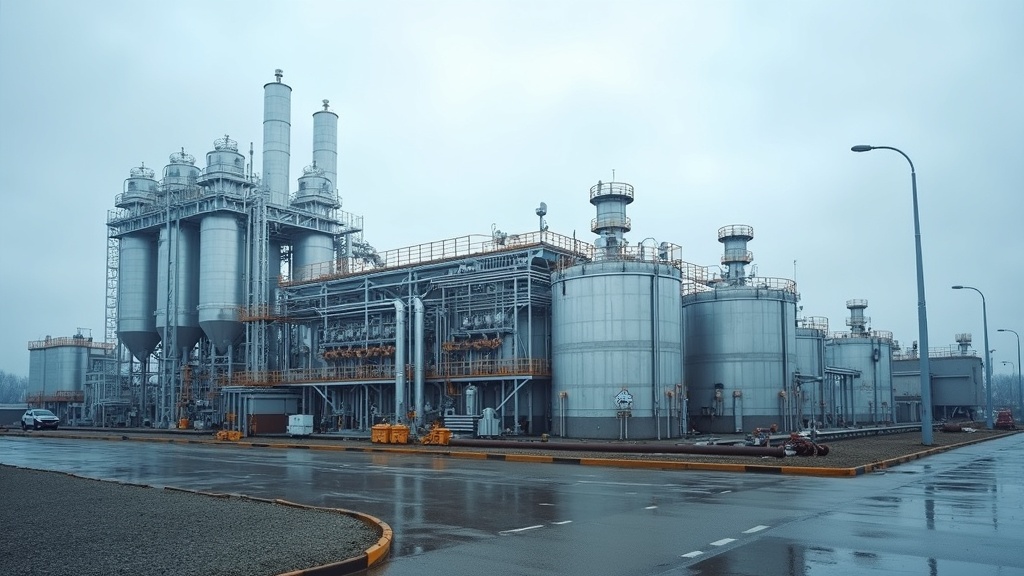
Green hydrogen and blue hydrogen are chemically identical — the same H2 molecule — but they’re made through different processes with different energy inputs and different emissions outcomes. Green hydrogen is produced by using electricity, ideally from renewable sources, to split water into hydrogen and oxygen. Blue hydrogen is produced from natural gas, with most of the resulting carbon dioxide captured and stored rather than released. The difference that matters most to a reader evaluating either technology is not the gas itself but where the emissions go and how reliably they stay there.
How each one is actually made
Green hydrogen comes from electrolysis: an electrolyzer runs a current through water, splitting it into hydrogen and oxygen. If the electricity powering that process comes from solar, wind, or another renewable source, the hydrogen produced is generally considered “green.” The concept overlaps with topics covered in our science and innovation coverage, since electrolyzer efficiency and renewable electricity supply are both active areas of research and development.
Blue hydrogen starts from a different feedstock entirely. It’s produced through steam methane reforming (SMR) or a similar process that extracts hydrogen from natural gas, releasing carbon dioxide as a byproduct. What makes it “blue” rather than the older, more common “gray” hydrogen is that a carbon capture and storage (CCS) system is meant to intercept a large share of that CO2 before it reaches the atmosphere, typically injecting it underground for long-term storage.
The core difference: feedstock and what happens to the carbon
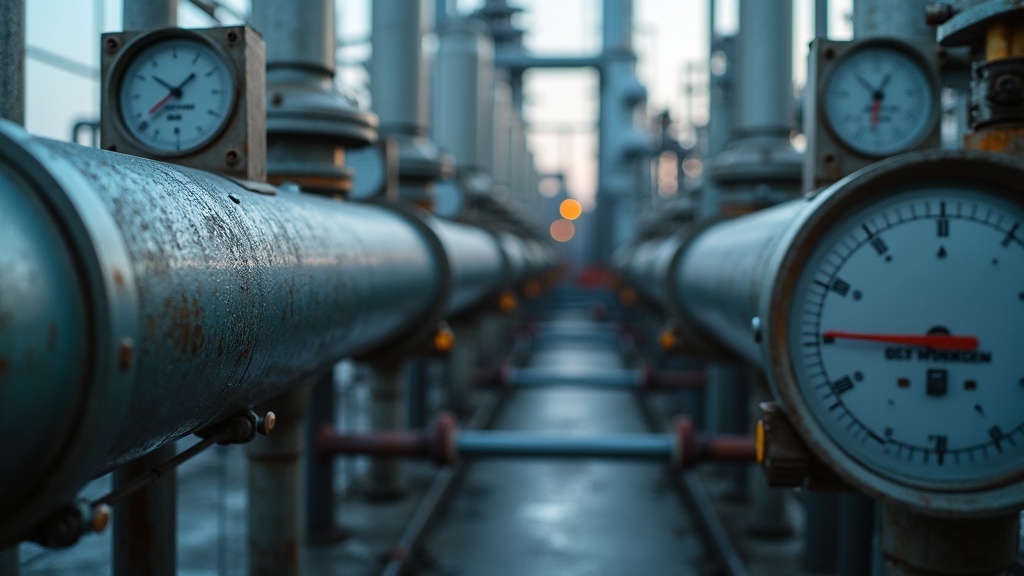
The practical distinction comes down to two questions: what goes into the process, and what comes out of it besides hydrogen. Green hydrogen’s main input is water and electricity; if that electricity is renewable, there’s no fossil carbon involved in the production step at all. Blue hydrogen’s main input is a fossil fuel, and its emissions profile depends entirely on how much carbon the capture system actually catches and how permanently that captured carbon stays stored.
That second point is where a lot of the real-world debate lives. Capture rates for CCS systems vary by project and by which parts of the process the capture equipment actually covers — some systems capture emissions from the reforming reaction itself but not from the energy used to run the plant, known as “upstream” emissions from extracting and transporting the natural gas in the first place, including methane leakage. That means two hydrogen sources both labeled “blue” can have meaningfully different total lifecycle emissions, depending on the specific project’s design and the gas supply chain behind it.
Comparing the two at a glance
| Factor | Green hydrogen | Blue hydrogen |
|---|---|---|
| Feedstock | Water plus electricity | Natural gas |
| Core process | Electrolysis | Steam methane reforming plus carbon capture |
| Main emissions concern | Depends on electricity source | Depends on capture rate and upstream methane leakage |
| Infrastructure needed | Electrolyzers, renewable power supply | Reforming plant, CO2 pipeline and storage site |
| Current production scale | Smaller, growing | Larger, established gas-industry base |
Why cost and scale differ so much
Blue hydrogen generally builds on decades of existing natural gas infrastructure and reforming technology, which is part of why it has historically been cheaper to produce at large scale than green hydrogen. Green hydrogen’s cost is tied closely to the price and availability of renewable electricity, plus the cost of electrolyzer equipment, which is still maturing as a manufacturing industry. Neither of these cost structures is fixed — electrolyzer costs have been an active research target, and natural gas prices and carbon capture costs both fluctuate with regional energy markets. Because the economics differ so much by country and by what electricity or gas costs locally, any specific cost comparison you see quoted should be treated as a snapshot of one place and one point in time, not a universal figure.
Policy support also shapes which one gets built where. Some jurisdictions offer production incentives, tax credits, or grants specifically tied to the lifecycle carbon intensity of the hydrogen produced, meaning a project has to demonstrate its actual emissions performance to qualify — not just claim a color label. If you’re trying to understand how such incentive programs are verified and where to check current terms, our guide on how to find legitimate clean-energy incentive programs walks through the kind of due diligence that applies, and the same logic extends to broader policy and incentives questions readers ask about clean energy generally.
Where each is actually used today
Hydrogen overall is used far more in industrial processes — ammonia production, oil refining, steelmaking — than in home energy systems. For background on how hydrogen gets converted back into usable electricity through a fuel cell, and where that technology fits into the broader energy picture, see our explainer on hydrogen fuel cells. Neither green nor blue hydrogen is currently a mainstream option for residential heating or backup power in most places, and any pitch suggesting otherwise for a home application deserves the same scrutiny you’d apply to questions you’d ask a solar installer before signing anything — verify claims against what the equipment and infrastructure actually require.
Some regions are piloting hydrogen blending into existing natural gas pipelines, hydrogen-fueled transit and freight vehicles, and industrial decarbonization projects that pair reforming plants with dedicated CO2 storage sites. Whether blue or green hydrogen shows up in a given region depends heavily on local resources — a place with strong wind or solar potential and cheap renewable electricity has an easier path to green hydrogen, while a region with existing gas infrastructure and accessible geological storage for CO2 may lean toward blue. This is the same kind of regional variation that shows up across wind and solar resource availability more broadly — the underlying feedstock and geography, not just the technology, drive what gets built.
Questions worth asking about a specific project or claim
- What is the actual carbon capture rate for this specific facility, and is it measured or estimated?
- Where does the electricity come from if the hydrogen is labeled “green,” and is that renewable supply verified or contracted?
- Where is captured CO2 stored, for how long, and who monitors it?
- Does the upstream supply chain — gas extraction and transport, or electricity generation — get counted in the emissions figure being cited?
- Is the hydrogen certified against a recognized lifecycle-emissions standard, or is the color label self-described by the producer?
These are the kind of technical and verification questions best directed to the project developer, the relevant energy regulator, or a technical body with expertise in the specific process — not something a general information source can settle in the abstract, since capture rates, grid mix, and storage practices vary by project and by country.
Frequently asked questions about green hydrogen vs blue hydrogen
Is green hydrogen always cleaner than blue hydrogen?
Generally, yes in terms of production-stage emissions, since green hydrogen doesn’t burn fossil fuel to make it — but the full picture depends on the electricity source for green hydrogen and the capture rate and gas supply chain for blue hydrogen, so lifecycle comparisons vary by specific project.
Why is blue hydrogen cheaper than green hydrogen right now?
Blue hydrogen builds on mature natural gas reforming infrastructure, while green hydrogen depends on electrolyzer manufacturing and renewable electricity supply that are still scaling up in most regions — relative costs shift with local gas prices, electricity prices, and equipment markets.
Can blue hydrogen be considered a renewable energy source?
No — blue hydrogen is made from natural gas, a fossil fuel, so it isn’t classified as renewable even when most of its production emissions are captured; it’s generally described as a lower-carbon fossil-based option rather than a renewable one.
Does hydrogen color affect what I can use it for at home?
The color designation reflects how the hydrogen was produced, not its chemical properties, so it doesn’t change what a fuel cell or appliance can do with it — but residential hydrogen use remains uncommon in most places, unlike more established options covered in home energy efficiency topics.
How do I know if a hydrogen project’s climate claims are accurate?
Look for third-party certification against a recognized lifecycle-emissions standard, published capture-rate data, and disclosure of upstream emissions — a regulator, energy agency, or independent technical body is a more reliable source for verifying these claims than a company’s own marketing materials.
Related reading
Geothermal Energy Explained: How It Actually Works.
The Cleaner Energy publishes general information about clean energy technology, not financial, tax, legal or engineering advice. We are writers and editors, not installers, contractors or financial advisers. Incentives, rebates, utility rates and equipment costs vary by location and change over time — confirm current figures with the official program administrator, your utility, or a licensed local professional before making a purchase or installation decision.