Geothermal energy is heat drawn from the earth itself — either deep underground heat used to generate electricity at a power plant, or the stable shallow-ground temperature used to heat and cool individual buildings through a ground-source heat pump. The two uses share a name but differ enormously in scale, cost, and where they’re practical. This article explains both, plainly, without telling you what to install.
Two very different things share the name “geothermal”
When people say “geothermal energy,” they usually mean one of two distinct systems. The first is utility-scale geothermal power: wells drilled into naturally hot underground rock or fluid, deep enough to tap temperatures capable of driving a turbine. The second is a residential or commercial ground-source heat pump, which doesn’t generate electricity at all — it moves heat between a building and the ground a few meters down, where temperature stays fairly constant year-round. Confusing the two leads to real misunderstandings, since one is a power-plant technology tied to specific geology, and the other is a heating and cooling appliance that can, in principle, be installed almost anywhere with enough land or drilling depth.
How deep geothermal power plants work
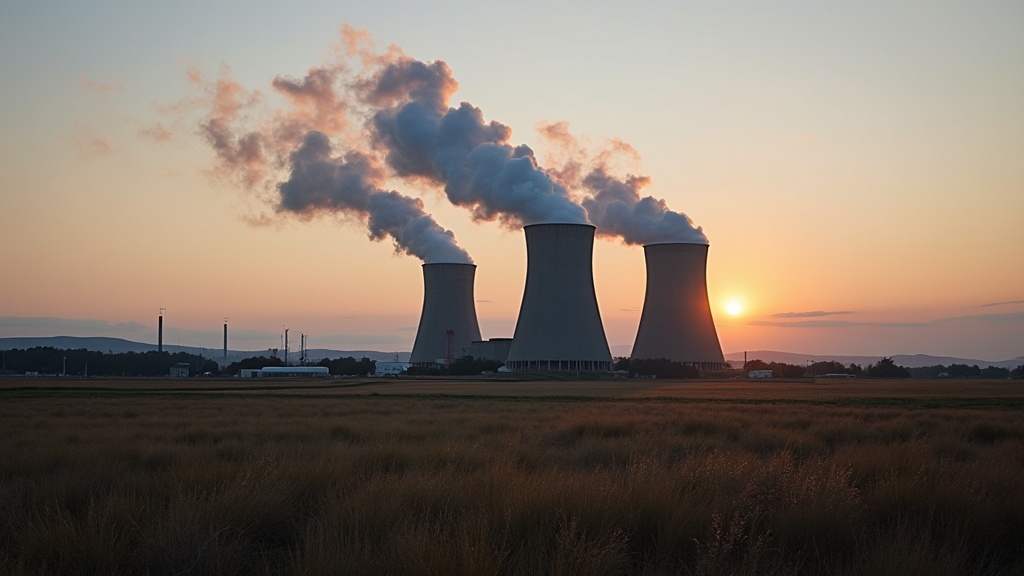
In regions with volcanic or tectonic activity — parts of the western United States, Iceland, New Zealand, the Philippines, and similar zones — heat from the earth’s interior is close enough to the surface that wells can reach steam or superheated water. That steam (or water flashed into steam) spins a turbine connected to a generator, much like a coal or gas plant, except the heat source is the earth rather than combustion. Some plants use a “binary” design, where underground heat warms a separate working fluid with a lower boiling point, allowing electricity generation from moderately hot resources that wouldn’t otherwise produce usable steam. Because the resource has to exist in usable form at a reachable depth, this kind of geothermal power is geographically limited in a way that solar and wind are not — you can’t site a conventional geothermal plant just anywhere, which is a core reason it makes up a much smaller share of the electricity mix than those other renewables in most countries.
How home geothermal (ground-source heat pump) systems work
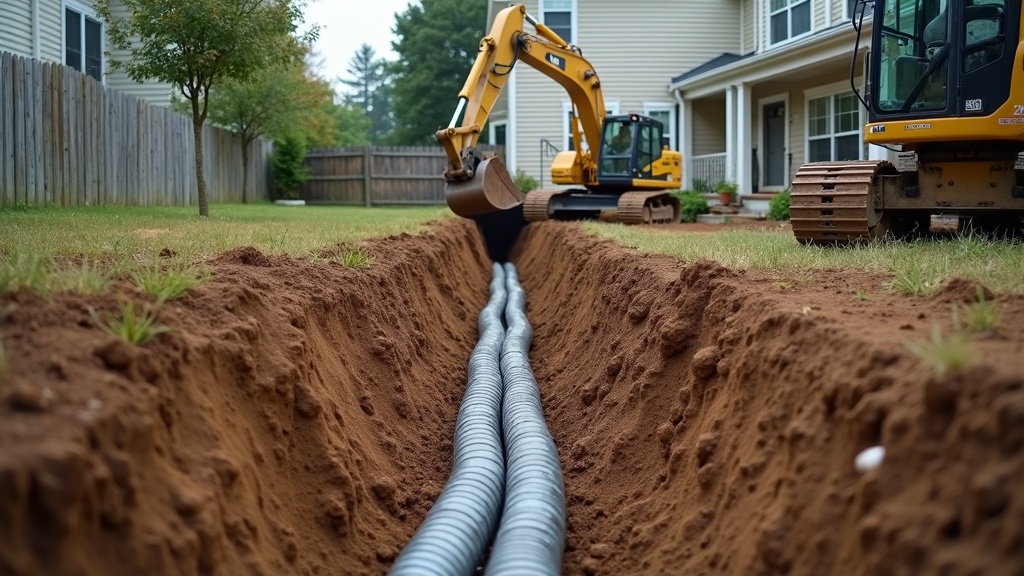
A residential ground-source heat pump doesn’t rely on volcanic heat. It exploits a simpler fact: a few meters below the frost line, soil temperature stays relatively stable across the seasons, warmer than winter air and cooler than summer air. A loop of buried pipe circulates fluid that absorbs or releases heat to the ground, and a heat pump unit inside the home concentrates that heat to warm the space in winter, or reverses the cycle to cool it in summer. Loops can be laid horizontally in a large trench, sunk vertically in boreholes where land is limited, or in some cases run through a pond or lake. This is mechanically similar in concept to the air-source systems covered in our explainer on heat pumps versus traditional HVAC systems, except the heat exchange happens with the ground instead of outdoor air — which generally lets the system work more consistently in extreme outdoor temperatures, since the ground doesn’t swing as wildly as the air does.
What determines whether either type is viable
For power plants, viability comes down to geology: subsurface temperature, depth, and the presence of enough fluid to carry the heat to the surface. That’s assessed by geologists and engineers through exploratory drilling and modeling, not something a homeowner or general reader can evaluate from surface conditions.
For home ground-source systems, the deciding factors are different and more local:
- Land availability — horizontal loops need substantial yard space; vertical boreholes need less surface area but require drilling equipment.
- Soil and rock type — how well the ground conducts heat affects loop length and drilling difficulty, which is why a site assessment by a qualified professional matters more here than for most home energy upgrades.
- Existing ductwork or radiant system — compatibility with a home’s current heating distribution affects installation complexity.
- Local drilling and permitting rules, which vary by municipality and by groundwater protection regulations in the area.
Because installation involves excavation or drilling, it’s a bigger undertaking than most other home energy efficiency changes, and it’s the kind of decision where getting quotes and site evaluations from more than one licensed contractor is standard practice before signing anything.
Efficiency, upfront cost, and what actually varies
Ground-source heat pumps are generally described as effective at delivering more heating or cooling energy than the electrical energy they consume, because they’re moving existing heat rather than generating it from a fuel. How much more efficient a given system is compared to air-source heat pumps or conventional furnaces and air conditioners depends on the specific equipment, the ground conditions, the home’s insulation and duct condition, and the local climate — not a fixed number that applies everywhere. Installation cost is also highly variable: it depends on loop type, drilling depth and difficulty, local labor rates, and whether existing ductwork can be reused. This site won’t publish a dollar figure or a payback estimate for that reason — those numbers depend on your specific site, your local utility rates, and current equipment pricing, all of which change. A home energy audit, described in our piece on what actually happens during a home energy audit, is one way to understand a home’s baseline heating and cooling load before evaluating any system, geothermal or otherwise.
Incentives and policy support
In many countries, ground-source heat pumps qualify for some form of tax credit, rebate, or utility incentive, and geothermal power projects may be supported through renewable energy policy mechanisms similar to those covered in our explainer on what a renewable portfolio standard actually is. But incentive programs differ by country, state or province, and utility territory, and they change or expire without much notice. Rather than quote a percentage or dollar amount here — which would likely be wrong somewhere and outdated everywhere eventually — we’d point you to our guide on how to find legitimate clean-energy incentive programs, and to the broader policy and incentives coverage on this site, as a starting point for locating the official program administrator for your area. For agencies that track and verify current geothermal incentives and technical resources, the U.S. Department of Energy and the Environmental Protection Agency publish official guidance worth checking directly.
Environmental considerations
Geothermal power plants produce electricity without burning fuel, but they aren’t emissions-free in every case — some release small amounts of naturally occurring gases from underground, and plant siting can raise questions about water use and induced seismicity in certain geologic settings, which is why environmental review is part of project permitting in most jurisdictions. Home ground-source systems don’t burn anything on-site and shift heating and cooling load to electricity, which means their overall emissions profile depends partly on how the local electric grid generates power — a variable covered in our broader look at science and innovation topics, and one that also comes up in comparisons across home energy efficiency upgrades generally.
Frequently asked questions about geothermal energy
Is geothermal energy renewable?
Yes, in the sense that the earth’s internal heat is continuously replenished on human timescales, though a specific well or wellfield can cool if heat is extracted faster than it naturally recharges, which is why power plant operators monitor resource output over time.
How deep do you have to drill for geothermal energy?
It depends entirely on the application: utility-scale power plants may need wells reaching hundreds to thousands of meters into hot rock, while home ground-source heat pump loops typically only need a few meters for horizontal trenches or roughly tens to over a hundred meters for vertical boreholes.
Can geothermal heating work in a cold climate?
Ground-source heat pumps generally perform more consistently in cold climates than air-source heat pumps because underground temperature stays stable while outdoor air temperature drops, though actual performance depends on soil conditions, loop design, and the specific equipment installed.
Does every home qualify for a ground-source heat pump?
Not necessarily — it depends on available land for loops, local soil and rock conditions, drilling access, and municipal permitting rules, so a site assessment from a qualified local professional is the way to find out rather than assuming based on another home’s setup.
Is geothermal cheaper than a regular furnace or air conditioner in the long run?
That depends on installation cost, local electricity and fuel prices, climate, and how long you stay in the home, all of which vary by location and change over time, so this is a question to work through with quotes and local rate information rather than a general rule.
The Cleaner Energy publishes general information about clean energy technology, not financial, tax, legal or engineering advice. We are writers and editors, not installers, contractors or financial advisers. Incentives, rebates, utility rates and equipment costs vary by location and change over time — confirm current figures with the official program administrator, your utility, or a licensed local professional before making a purchase or installation decision.