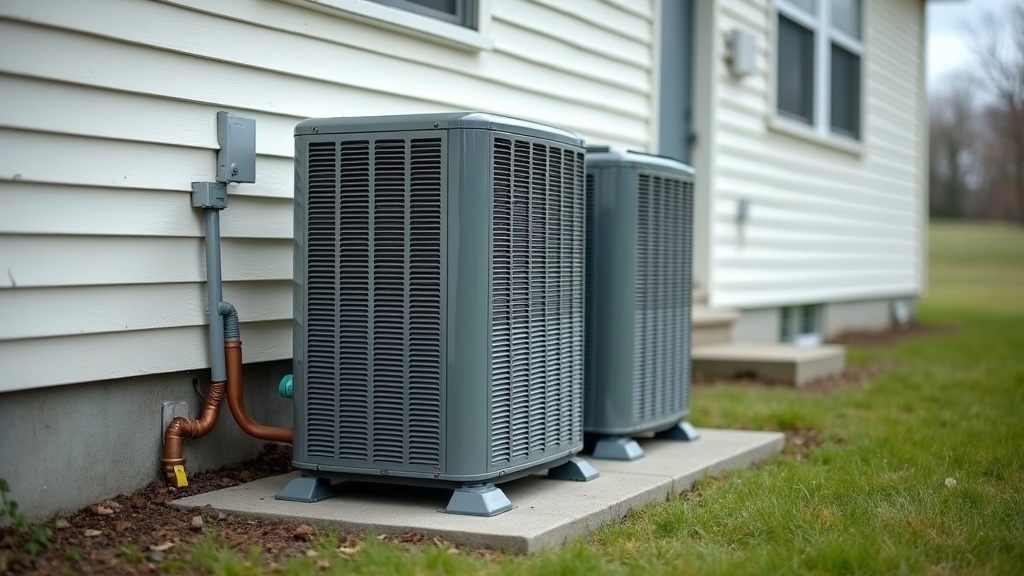
Heat pumps and traditional HVAC systems both keep a home comfortable, but they do it in fundamentally different ways. A furnace or boiler burns fuel or uses electric resistance to generate heat, while a heat pump uses electricity to move heat from one place to another — which is why it can also run in reverse to cool a home. The right choice for a given house depends on climate, existing infrastructure, electricity and fuel costs in that area, and how the home is insulated, so there’s no single universal answer.
How each system actually works
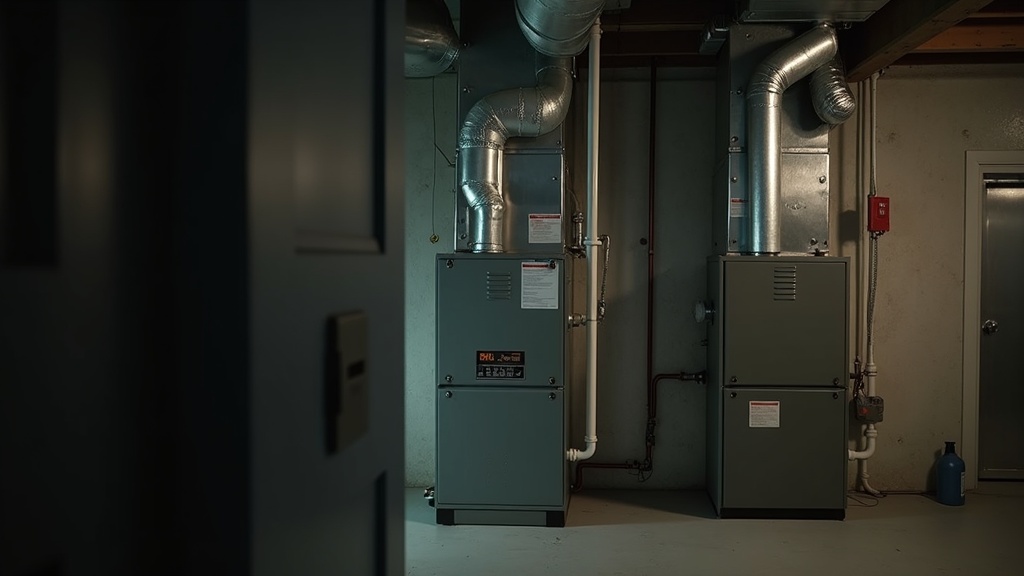
A traditional forced-air furnace burns natural gas, propane, or oil, and pushes the resulting heat through ductwork with a blower. Electric resistance heating, including baseboard units, converts electricity directly to heat at roughly one-to-one efficiency. Boilers do something similar but distribute heat through water or steam rather than air. In all these cases, the system is creating heat from a fuel or electrical source and adding it to the home.
A heat pump doesn’t create heat — it moves it. Using a refrigerant cycle similar to a refrigerator’s, an outdoor unit extracts heat from the outside air (or, in ground-source systems, from the earth) and transfers it indoors, even when it’s cold outside. In summer, the cycle reverses, and the same unit extracts heat from indoor air and releases it outside, functioning as an air conditioner. Because a heat pump moves existing heat rather than generating new heat from scratch, it can deliver more heating energy than the electrical energy it consumes — a distinction that shows up directly in how efficiency is measured.
Efficiency: what the ratings actually mean
Furnace efficiency is usually expressed as AFUE (Annual Fuel Utilization Efficiency), a percentage showing how much of the fuel’s energy becomes usable heat; a high-efficiency furnace converts most of its fuel to heat but is still capped near 100%. Heat pumps are rated differently, using HSPF for heating and SEER or EER for cooling, and because they move heat rather than generate it, their effective output can exceed 100% of the electrical input — sometimes described as a coefficient of performance greater than one. This is a real mechanical distinction, not a marketing claim, but the actual efficiency achieved in a specific home depends on the equipment’s rating, its installation, and local climate conditions, so it’s worth asking any professional you consult to explain the specific rated performance of the equipment being discussed rather than relying on general figures.
Cold climates and performance
The biggest practical question for heat pumps has historically been cold-climate performance. Older heat pump designs lost efficiency and heating capacity as outdoor temperatures dropped, sometimes requiring backup resistance heat on the coldest days. Newer cold-climate heat pump models are designed to maintain a meaningful share of their capacity at low outdoor temperatures, and independent testing programs, including those referenced by the U.S. Department of Energy, have evaluated how different models perform in sustained cold. That said, performance still varies by manufacturer, model, and how the system is sized for the specific home, which is a technical judgment best confirmed with a licensed heating professional rather than assumed from general claims. A traditional furnace, by contrast, generally maintains consistent output regardless of outdoor temperature, since it isn’t drawing heat from the outside air.
Ductwork, electrical capacity, and installation differences
Traditional furnaces typically use existing ductwork and gas or oil lines already present in many homes, which can make replacement relatively straightforward. Heat pumps can also use existing ductwork in many cases, but some configurations — particularly ductless mini-split systems — route refrigerant lines to individual room units instead. Switching from gas heating to an electric heat pump can also mean the home’s electrical panel and circuit capacity need evaluation, since the heat pump and any backup heat source draw on the electrical system rather than a fuel line. None of this is something to estimate from a general article; it depends on the home’s existing wiring, panel capacity, and ductwork condition, all of which a licensed electrician or HVAC contractor would need to assess directly.
Home performance also interacts with heating and cooling choice in ways that are easy to overlook. A poorly insulated or leaky home will strain either system, and improving the building envelope often changes what size and type of equipment even makes sense. Readers evaluating a system replacement may find it useful to look at how a home energy audit assesses these factors, or to review insulation basics and general weatherproofing steps before deciding on equipment, since a tighter, better-insulated home reduces the load either system has to handle.
Costs, incentives, and what actually varies
Equipment costs, installation costs, and ongoing operating costs for both heat pumps and traditional HVAC systems vary widely by region, home size, existing infrastructure, and local labor rates — genuine figures here would go stale quickly and differ by household, so this article won’t state them. What’s more useful is understanding the categories of incentives that exist: federal tax credits, state or provincial rebate programs, and utility-specific incentives have all, at various points, applied to qualifying heat pump installations in different jurisdictions. These programs change eligibility rules, funding levels, and expiration dates regularly. The only reliable way to know what currently applies to a specific address is to check directly with the official program administrator — in the U.S., resources like ENERGY STAR and the U.S. Department of Energy maintain current program information — or to ask the household’s electric or gas utility directly.
Operating costs depend on local electricity and fuel prices, which differ by utility territory and change over time, along with how efficiently the specific equipment performs in that climate. A licensed HVAC contractor who inspects the home and reviews recent utility bills is generally better positioned to speak to expected operating costs than a general comparison can be.
Questions worth asking a professional
- What is the equipment’s rated performance at the coldest temperatures typical for this location, and is backup heat needed?
- Does the home’s existing ductwork, electrical panel, or gas line need modification for this specific system?
- What incentive programs currently apply to this address, and who administers them?
- How was the equipment sized for this specific home, and what assumptions went into that sizing?
- How does a smart or programmable thermostat interact with this particular heating and cooling system? Systems like heat pumps sometimes need thermostats designed to manage their specific heating stages, a distinction covered in more detail in a look at how smart thermostats actually work.
For readers researching home energy systems more broadly, the home energy efficiency section covers related topics like insulation, audits, and weatherproofing that affect how any heating or cooling system performs in practice.
Frequently asked questions about heat pumps vs traditional HVAC
Are heat pumps better than furnaces in cold climates?
Newer cold-climate heat pump models are designed to maintain heating capacity at low outdoor temperatures, but performance varies by model and installation. Whether one performs adequately for a specific cold-climate home depends on local temperature extremes and equipment sizing, which a licensed HVAC professional can assess directly.
Do heat pumps work without gas or oil at all?
Yes, heat pumps run on electricity and don’t require a fuel line, which is why some homes pair them with electrical panel upgrades rather than gas infrastructure. Some installations still include a backup heat source for extreme cold, and whether that’s needed depends on the specific climate and equipment.
Can a heat pump use my existing ductwork?
Many ducted heat pump systems can use existing ductwork if it’s in good condition and appropriately sized, while ductless mini-split systems route refrigerant lines to individual units instead. Whether existing ducts are suitable is a technical assessment a licensed HVAC contractor would need to make in person.
Do heat pumps cost more to install than a furnace?
Installation costs depend on the home’s existing infrastructure, electrical capacity, ductwork condition, and local labor rates, all of which vary significantly by region and household. There’s no fixed comparison that applies everywhere, so getting quotes from local licensed contractors is the way to see real numbers for a specific home.
What incentives are available for heat pumps?
Federal, state or provincial, and utility-level incentive programs have applied to qualifying heat pump installations in various jurisdictions, but eligibility and funding change often and expire. The only reliable way to confirm what currently applies is checking directly with the official program administrator or the household’s utility.
The Cleaner Energy publishes general information about clean energy technology, not financial, tax, legal or engineering advice. We are writers and editors, not installers, contractors or financial advisers. Incentives, rebates, utility rates and equipment costs vary by location and change over time — confirm current figures with the official program administrator, your utility, or a licensed local professional before making a purchase or installation decision.