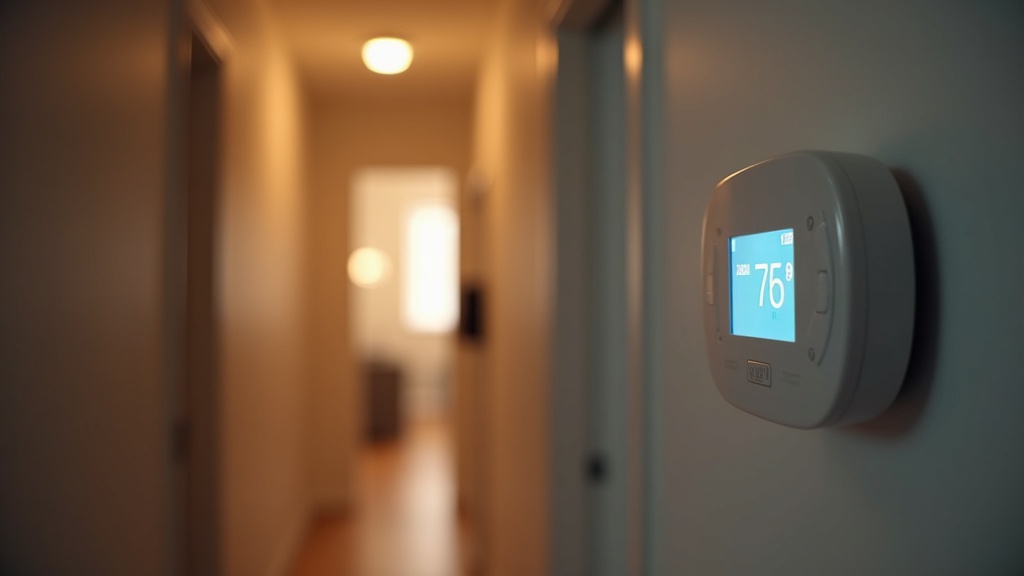
A smart thermostat is a programmable, internet-connected device that controls a home’s heating and cooling system based on schedules, sensors, and remote app commands rather than a fixed dial. It replaces a standard thermostat’s simple on/off switching with software that can learn routines, respond to occupancy, and be adjusted from a phone. Whether it changes energy use in a given home depends on the household’s existing habits, the HVAC equipment it’s paired with, and local climate — not just the thermostat itself.
What a smart thermostat actually does
At its core, a thermostat’s job hasn’t changed since the mechanical dial: it measures room temperature and signals the furnace, heat pump, or air conditioner to turn on or off to reach a target. A smart thermostat adds a layer of software and connectivity on top of that basic function. It typically includes Wi-Fi for remote access, a companion app for scheduling and monitoring, and sometimes additional sensors that detect occupancy, humidity, or temperature in other rooms.
Several features distinguish smart models from older programmable ones:
- Learning or adaptive schedules: some models track when residents adjust the temperature manually and build a schedule around that pattern instead of requiring manual programming.
- Remote access: the app lets a user change settings from outside the home, useful for adjusting before arrival or checking on a vacant property.
- Geofencing: the thermostat can use a phone’s location to detect when everyone has left or is returning, and adjust accordingly.
- Sensors: remote temperature or occupancy sensors placed in other rooms can feed data back so the system doesn’t rely solely on the reading at the thermostat itself.
- Usage reports: many apps show run-time history and estimated energy use, though these are estimates based on system type, not direct energy metering in most cases.
How it connects to your heating and cooling system
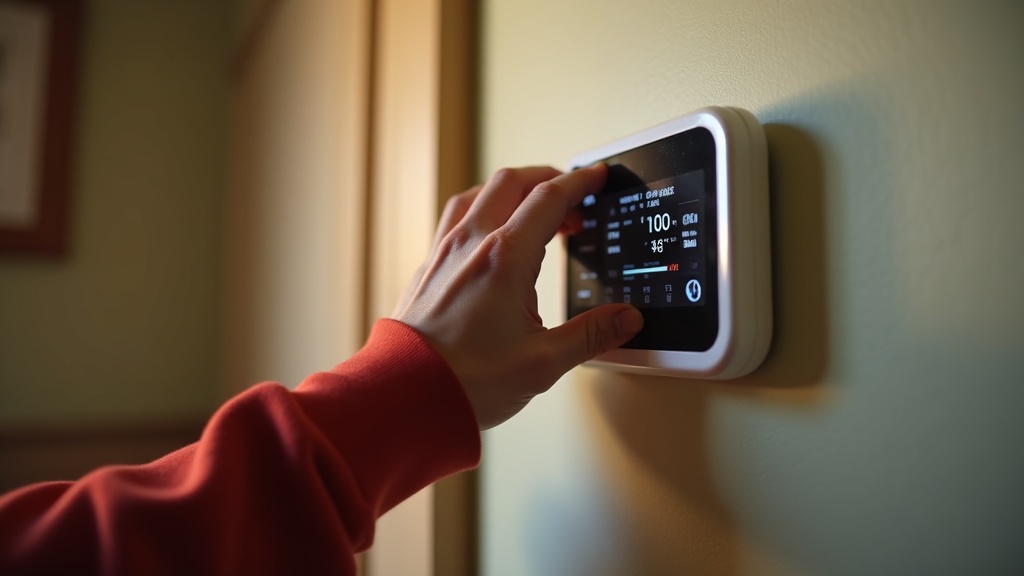
A smart thermostat wires into the same low-voltage control circuit as a conventional thermostat, sending signals to the furnace, air handler, heat pump, or air conditioner rather than switching high-voltage power directly. Compatibility depends on the wiring already present in the wall — some homes have a common wire (“C-wire”) that provides continuous low-voltage power for the thermostat’s electronics, while older systems may not. This is one of the most common installation snags: a thermostat that looks compatible on paper can still require an added wire or a compatibility adapter depending on the existing HVAC setup, which is why checking the wiring situation before buying is worth doing rather than assuming.
Heat pump systems, multi-stage furnaces, and systems with auxiliary or emergency heat need thermostats specifically rated to manage those stages correctly; a thermostat built mainly for single-stage gas furnaces may not control a heat pump’s staging well, which can affect comfort and how the equipment cycles. Anyone unsure how their current system is configured can ask a licensed HVAC technician to confirm what type of control wiring and staging the equipment uses before choosing a device.
Where the potential efficiency comes from
Any efficiency benefit from a smart thermostat comes from reducing conditioning during hours when it isn’t needed — while a home is empty, while everyone is asleep, or during pre-cooling and pre-heating windows timed to avoid peak conditions. A basic programmable thermostat can, in principle, achieve similar reductions if someone sets and maintains a sensible schedule. The practical difference is that smart thermostats automate the parts people tend to skip: remembering to adjust before leaving, catching an unusually mild day, or noticing a room is unoccupied.
How much difference this makes in a specific home depends on factors outside the thermostat’s control: how well the home retains heat or cool air, the efficiency of the HVAC equipment itself, local climate swings, and how far off a household’s manual habits already were from an efficient schedule. A well-insulated, well-sealed home with a household that already used a schedule may see little change; a leaky, poorly insulated home with an “always-on” habit may see more. Because home envelope condition plays such a large role, it’s often worth understanding what a home energy audit actually checks and reading through insulation basics and what actually cuts energy use before assuming a thermostat alone will solve a comfort or cost problem. The broader home energy efficiency category covers other angles on this same question.
Utility programs and incentives
Many utilities offer demand-response programs that pair with certain smart thermostat models: in exchange for enrolling, the utility may briefly adjust the thermostat’s setpoint during periods of high grid demand, and the household may receive an incentive for participating. Some regions also have rebate programs specifically for ENERGY STAR–certified smart thermostats, run through the utility, a state or provincial energy office, or a similar program administrator. These programs are not universal, the amount and eligibility rules vary by location, and program terms change or expire without much notice. The only reliable way to know what currently applies to a specific address is to check directly with the utility or the program administrator listed on their website — not a retailer’s marketing page.
The U.S. ENERGY STAR program maintains certification criteria and a list of qualifying models, which can be a useful starting reference point when comparing options, separate from any specific utility rebate.
Setup and privacy considerations worth asking about
Because these devices connect to home Wi-Fi and often to a manufacturer’s cloud service, a few practical questions are worth raising before buying, regardless of brand:
- What happens to the thermostat’s scheduling if the internet connection or the manufacturer’s servers go down — does basic heating/cooling control still function locally?
- What data does the app collect (occupancy patterns, location history) and how is it stored or shared?
- Does the thermostat require a subscription for any features, or are learning and scheduling included with the device itself?
- Is professional installation available or recommended for the specific wiring situation, and does that affect any warranty?
These are the same category of due-diligence questions worth asking any contractor before a home energy purchase — similar in spirit to the questions covered in what to ask a solar installer before you sign, even though thermostats and solar systems are different technologies entirely.
How it fits into a broader home energy picture
A thermostat manages when and how long HVAC equipment runs, but it doesn’t change how much energy that equipment uses per hour of operation, how well a home holds temperature, or where a home’s energy is coming from. Homes drawing on rooftop or community solar, for instance, may weigh thermostat scheduling differently against production hours; readers exploring that side of the picture can look at how solar panels actually work or how community solar works for context on generation-side timing. None of that changes the mechanics of the thermostat itself, but it affects how a household might choose to schedule heavy HVAC use relative to when power is cheapest or most available.
Frequently asked questions about smart thermostats
Do smart thermostats really save money on energy bills?
They can reduce unnecessary heating and cooling when a home was previously running on a poor or no schedule, but actual savings depend on the home’s insulation, local climate, equipment efficiency, and prior habits — no fixed savings figure or payback period applies universally across households.
Will a smart thermostat work with my furnace or heat pump?
Compatibility depends on the existing control wiring, whether a common wire is present, and how many heating/cooling stages the system uses; checking the thermostat’s listed compatibility against the specific HVAC equipment, or asking a licensed HVAC technician, is the reliable way to confirm this before buying.
Can I install a smart thermostat myself?
Many models are designed for self-installation with basic tools, but success depends on existing wiring, especially the presence of a common wire; households uncertain about their system’s wiring or staging can ask a licensed electrician or HVAC technician to check before starting.
Do smart thermostats need Wi-Fi to work at all?
Most retain basic local heating and cooling control without an internet connection, but remote access, learning features, and app-based scheduling typically require Wi-Fi; exact offline behavior varies by model, so checking the manufacturer’s specifications is worth doing.
Are there rebates available for smart thermostats?
Some utilities and regional energy offices offer rebates or demand-response incentives for qualifying models, but availability, eligibility, and amounts vary by location and change over time — confirming current terms directly with the utility or program administrator is the only reliable approach.
The Cleaner Energy publishes general information about clean energy technology, not financial, tax, legal or engineering advice. We are writers and editors, not installers, contractors or financial advisers. Incentives, rebates, utility rates and equipment costs vary by location and change over time — confirm current figures with the official program administrator, your utility, or a licensed local professional before making a purchase or installation decision.