Weatherproofing a home for winter means finding and closing the gaps, thin spots, and mechanical weaknesses that let heat escape or let cold and moisture in — sealing air leaks, checking insulation, servicing heating equipment, and protecting pipes and outdoor fixtures before hard freezes arrive. Most of it is inspection and small fixes rather than major construction. The exact priority list depends on your climate, your home’s age, and what kind of heating system you have.
Where heat actually escapes
Before buying anything, it helps to understand where a typical house loses heat. Warm air rises and finds its way out through attic hatches, recessed lighting, top-plate gaps, and chimney chases. It also leaks sideways through electrical outlets, window and door frames, and where pipes or cables pass through exterior walls. Insulation slows heat moving through solid materials like walls and attic floors, but it does nothing to stop air simply flowing through a gap — which is why sealing and insulating are two different jobs that work together. The insulation basics guide goes into how R-value and air sealing interact, which is worth understanding before you decide where to spend time or money.
Air sealing: the cheapest fix with the biggest range of outcomes
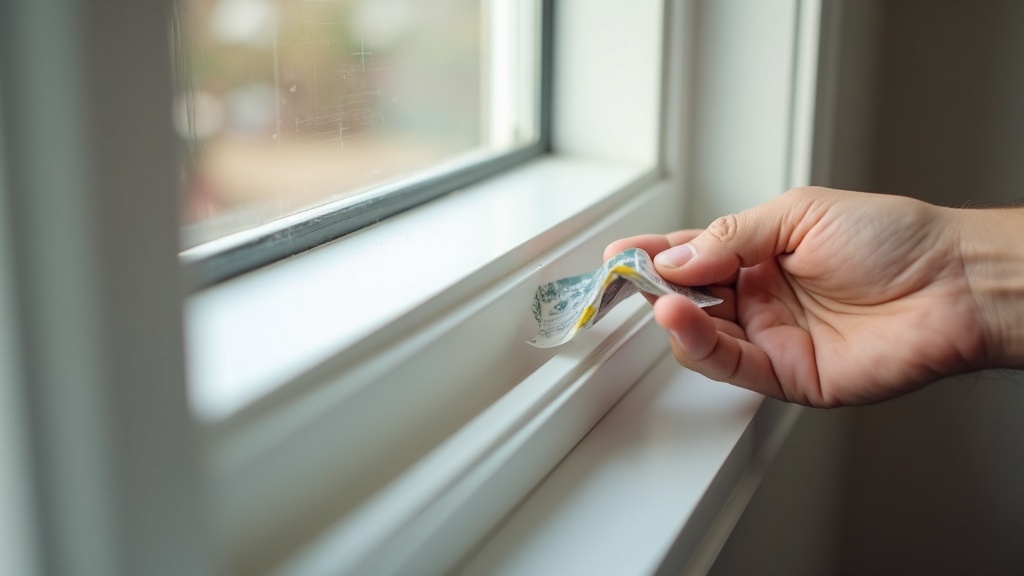
Caulk, weatherstripping, and foam sealant are inexpensive, but how much difference they make depends heavily on how leaky the house already is. Older homes with visible daylight around door frames or drafts near outlet covers usually see the most noticeable change from sealing work. Newer, tighter homes may already have most of this handled and benefit more from checking mechanical ventilation instead, since a house sealed too tightly without adequate ventilation can develop moisture or air quality issues. This is one of the areas where a general checklist can only go so far — what your home needs depends on its construction, age, and climate zone, which is exactly the kind of judgment call a licensed contractor or energy auditor is trained to make in person.
Common leak points to inspect
- Attic hatches, whole-house fan covers, and recessed lighting fixtures
- Door and window frames, especially where trim meets siding
- Electrical and plumbing penetrations through exterior walls
- Dryer vents, exhaust fan ducts, and chimney flashing
- The rim joist area where a foundation meets the wood framing above it
Windows and doors
Single-pane windows and older doors are common weak points. Options range from adding weatherstripping and door sweeps, to installing storm windows or interior window film, to full replacement — each with a very different cost and a very different payback that depends on your climate, energy prices, and how long you plan to stay in the home. None of those figures are stable enough to quote here; ask a window contractor or your utility’s efficiency program for current numbers and what applies to your specific windows before committing to anything.
Heating systems and thermostats
A furnace, heat pump, or boiler that hasn’t been serviced can lose efficiency or fail at the worst possible time. Filter changes, a professional tune-up, and duct inspection are standard pre-winter tasks — the specifics depend on the system type and manufacturer, so a technician licensed to service your particular equipment is the right person to ask about scheduling and safety checks, particularly for combustion-based systems where carbon monoxide risk is a real concern.
Programmable and smart thermostats can help manage heating schedules more precisely once the equipment itself is in good shape, and setting back temperatures during unoccupied hours is a widely recommended practice from sources like ENERGY STAR. The smart thermostats explained guide covers how these devices actually control heating cycles and what to look for if you’re comparing options, without promising a specific savings number — because how much a thermostat saves depends entirely on your existing habits, insulation, and local climate.
Pipes, outdoor fixtures, and water damage prevention
Frozen pipes are one of the more expensive winter failures, and prevention is mostly mechanical: insulating exposed pipes in unheated spaces like crawlspaces, garages, and exterior walls, disconnecting and draining garden hoses, and knowing where your main water shutoff is in case a pipe does fail. In regions that see hard freezes, some homeowners also let faucets drip slightly during extreme cold or open cabinet doors under sinks on exterior walls to let warm air circulate — whether any of this applies to your home depends on your climate and plumbing layout, so check with a plumber if you’re unsure about a specific setup, especially for homes with unusual pipe routing or vacation properties that sit empty for weeks at a time.
Roof, gutters, and solar equipment
Clogged gutters and ice buildup can force water back under roofing material, causing leaks that are far more expensive than the gutter cleaning that would have prevented them. Clearing debris before the first freeze and checking that downspouts direct water well away from the foundation are standard maintenance tasks appropriate for most climates, though steep or high roofs are a job for someone equipped to work at height safely.
If your home has rooftop solar, snow and ice accumulation is a normal seasonal consideration rather than an emergency in most systems — panels are engineered to handle structural snow loads, and mounting systems differ in how they shed snow depending on tilt and installation type, a topic covered in more detail in the rooftop vs ground-mount solar comparison. Clearing snow from panels yourself is generally discouraged by installers because of fall risk and the potential to scratch the surface; if you’re concerned about snow load or output during winter months, ask your installer or manufacturer what their equipment is rated for and how they recommend handling it.
When a professional inspection is worth it
A structured walk-through by a qualified energy auditor typically includes a blower-door test to measure overall air leakage, infrared imaging to spot insulation gaps, and a review of your heating equipment and ductwork — giving you a prioritized list instead of guesswork. The home energy audit walkthrough explains what the process actually involves and how to read the results. Some utilities and local governments offer audit programs at reduced or no cost, and some incentive programs require a qualifying audit before a rebate is approved — but program availability, eligibility, and current terms vary by location and change over time, so the official program administrator or your utility is the only reliable source for what’s currently on offer where you live. For a broader look at how weatherproofing fits into overall household efficiency, the home energy efficiency section covers related topics like insulation, appliances, and building envelope performance.
| Area | What to check | Who typically handles it |
|---|---|---|
| Attic and roofline | Insulation depth, air sealing at hatch and penetrations | Homeowner inspection; contractor for insulation work |
| Windows and doors | Drafts, worn weatherstripping, storm window fit | Homeowner for minor fixes; contractor for replacement |
| Heating system | Filter, tune-up, safety inspection | Licensed HVAC technician |
| Pipes | Exposed pipe insulation, hose disconnection | Homeowner; plumber for complex layouts |
| Gutters and roof | Debris clearing, flashing check | Homeowner for ground-level; roofer for height work |
Frequently asked questions about weatherproofing your home for winter
What is the cheapest way to weatherproof a house for winter?
Air sealing with caulk and weatherstripping around windows, doors, and outlets is usually the lowest-cost starting point, since it addresses direct air leakage rather than requiring new materials or equipment. How much difference it makes depends on how leaky your home already is.
Do I need to winterize my house every year?
Basic tasks like draining hoses, checking heating equipment, and clearing gutters are worth repeating annually, since wear and seasonal debris build up over time. Larger fixes like added insulation or window upgrades are usually one-time unless conditions or the home’s structure change.
How do I know if my home needs more insulation?
Signs include uneven room temperatures, ice dams on the roof, or noticeably higher heating equipment run time compared to similar homes nearby. A home energy audit measures insulation performance directly rather than relying on guesswork.
Can smart thermostats really help with winter heating costs?
They can help manage heating schedules and reduce unnecessary runtime when a home is unoccupied, but how much difference this makes depends on your existing habits, insulation level, and climate — there’s no universal savings figure that applies to every household.
Should I clear snow off my solar panels in winter?
Most rooftop systems are built to handle typical snow loads, and clearing panels yourself carries fall and damage risk. If snow accumulation on your specific system concerns you, ask your installer or the equipment manufacturer what they recommend for your setup.
The Cleaner Energy publishes general information about clean energy technology, not financial, tax, legal or engineering advice. We are writers and editors, not installers, contractors or financial advisers. Incentives, rebates, utility rates and equipment costs vary by location and change over time — confirm current figures with the official program administrator, your utility, or a licensed local professional before making a purchase or installation decision.