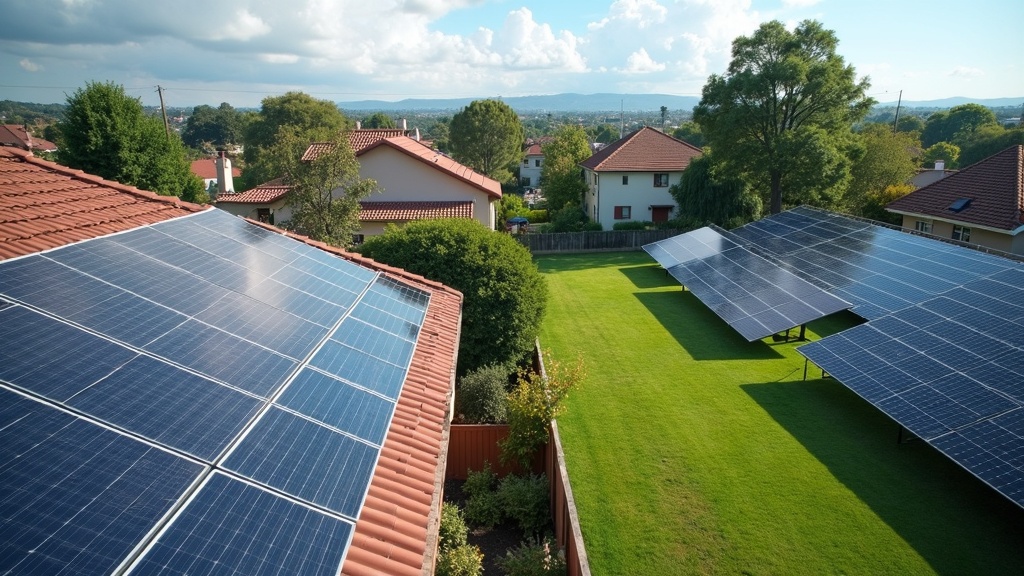
Rooftop and ground-mount solar produce electricity the same way, but they differ in where the array can go, how it’s mounted and wired, what it costs to install per panel, how easy it is to access for cleaning or repair, and which permits and setbacks apply. Rooftop systems use existing roof space and structure; ground-mount systems need open land and their own foundation. Which one fits a given property depends on roof condition, available land, shading, and local rules — not on which is “better” in the abstract.
Where each option is physically possible
Rooftop solar is the default in most residential settings simply because it uses space the homeowner already has. It works when the roof has enough usable area facing a reasonable direction, is structurally sound, and isn’t heavily shaded by trees or neighboring buildings. Roof age matters too — installing on a roof that will need replacement in a few years often means removing and reinstalling the array later, which is a real cost to factor in.
Ground-mount arrays require open, unshaded land — enough of it, in the right orientation, that isn’t needed for other uses. This makes ground mounts more common on rural or suburban properties with acreage, and rare in dense urban or small-lot settings. Some homeowners choose ground mount specifically because their roof is shaded, oddly shaped, or has a type of roofing material that complicates a rooftop install. For background on how a panel array actually converts sunlight into usable electricity regardless of where it sits, see how solar panels actually work.
Mounting and structural differences
Rooftop systems attach to the existing roof structure using flashed mounting points that penetrate the roofing material and anchor into rafters or trusses. The array’s weight, wind load, and snow load all get transferred through the roof into the home’s framing, which is why a structural check is part of any legitimate rooftop proposal.
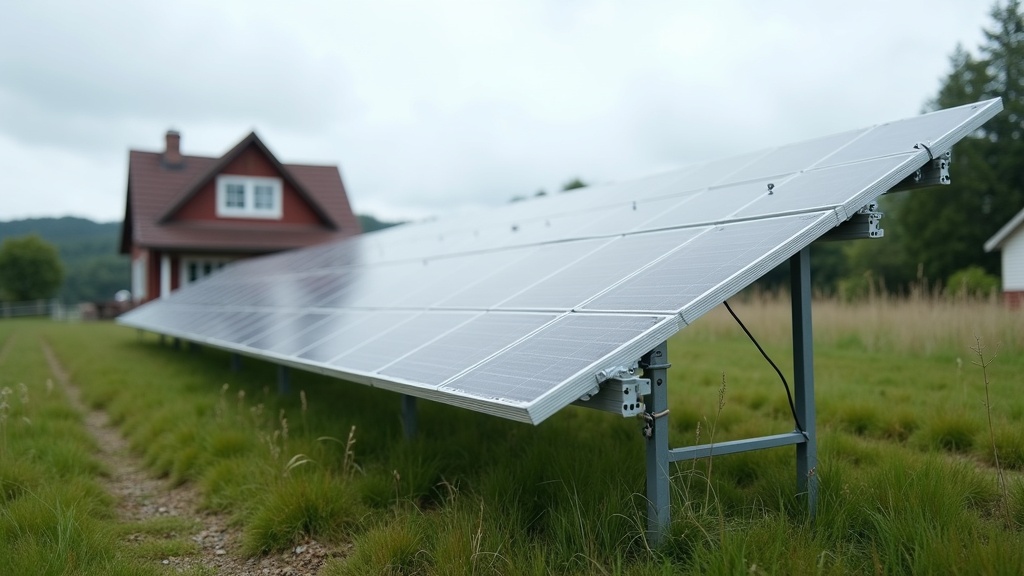
Ground-mount systems build their own support — typically driven or poured foundations holding a steel or aluminum racking structure that the panels attach to. Because the mount isn’t limited by roof pitch or rafter spacing, installers have more freedom to set the tilt angle and orientation for output, and some ground-mount racking is designed to be adjusted seasonally or even to track the sun. That flexibility is a genuine advantage, but it also means the racking and foundation are an added cost that a rooftop system doesn’t carry.
Wiring and distance
A ground-mount array is usually farther from the main electrical panel than a rooftop array is, which means longer wire runs, more conduit, and sometimes trenching across the yard. Longer runs can mean more voltage drop and more material cost, both things a proposal should account for explicitly rather than bundle into a single number.
Cost structure: what drives the difference, not a dollar figure
Total installed cost depends on system size, equipment choice, labor rates, site conditions, and local permitting — figures that vary too much by region and installer to state here. What’s useful is understanding which cost categories differ between the two mounting types:
- Racking and foundation — ground mount adds a dedicated foundation and racking system; rooftop reuses the existing roof structure.
- Wiring runs — ground mount typically needs longer conductor runs and more trenching or conduit.
- Roof work — rooftop may require roof repair or replacement first, or roof-specific flashing and penetration sealing.
- Land prep — ground mount may need grading, clearing, or fencing that a rooftop install never touches.
- Access equipment — steep or tall roofs can require lifts or scaffolding that add labor cost; ground level generally doesn’t.
Because these categories shift the total in different directions depending on the property, a side-by-side quote for both options — from the same site conditions — is the only reliable way to see how they compare for a specific home. Any proposal should also spell out what happens to available incentives, since eligibility can depend on how and where the system is mounted.
Permits, setbacks, and interconnection
Both mounting types require an interconnection agreement with the utility and typically a building permit, but the details diverge. Rooftop systems are usually reviewed under residential building and electrical codes tied to the structure itself. Ground-mount systems can trigger additional local rules — property line setbacks, height limits, floodplain or zoning review, and sometimes homeowners’ association restrictions that don’t apply to something installed on a roof. Rules here vary by city, county, and state or province, so what’s required in one jurisdiction may not apply a few miles away. The only reliable way to confirm current requirements is the local building department or utility, and it’s a fair thing to ask about directly — see what to ask a solar installer before you sign for a broader list of questions worth raising before any contract is signed.
Performance considerations
Ground-mount systems often have an edge on output potential because installers can choose the optimal tilt and orientation independent of roof geometry, and ground-level airflow can keep panels somewhat cooler, which affects efficiency. Rooftop systems are constrained by the roof’s actual pitch and the directions its faces point, though on many homes this constraint is minor. Shading is the bigger factor in practice — a ground-mount array sited to avoid tree shade can outperform a rooftop array stuck under partial shade, regardless of mounting type. Government resources such as the National Renewable Energy Laboratory publish general modeling tools that illustrate how tilt, orientation, and shading affect estimated output, though actual results depend on the specific site.
Maintenance and access
Ground-mount arrays sit at a height that’s easy to reach by hand for cleaning, snow removal, or inspection, and repairs don’t require climbing onto a roof. Rooftop arrays are harder to access safely, which can add cost or delay to routine maintenance and to any troubleshooting after a storm. On the other hand, a ground-mount array is more exposed to yard activity, mowing equipment, and in some regions, wildlife or falling branches, so fencing or siting away from foot traffic is often part of the design conversation.
Land use and appearance
A rooftop array uses space that otherwise goes unused, leaving the yard free. A ground-mount array takes up land that could serve another purpose — garden space, parking, or simply open yard — which matters more on smaller lots than larger ones. Visually, rooftop panels are less noticeable from ground level in many neighborhoods, while a ground-mount array is more visible and, in some communities, subject to aesthetic review as part of permitting. Neither is objectively better; it’s a tradeoff between roof space and land the homeowner is willing to dedicate.
Incentives and program eligibility
Some incentive programs, net metering rules, or utility interconnection tariffs treat rooftop and ground-mount systems identically; others don’t. Eligibility can also depend on system size, whether the array is considered a permanent structure, and local zoning classification. Because these terms change and vary by location, the only dependable source is the program administrator or utility itself — a resource such as the Database of State Incentives for Renewables and Efficiency (DSIRE) is a starting point for identifying what programs exist in a given area, but current terms should always be confirmed directly rather than assumed from an older listing. Broader background on how residential solar systems are typically evaluated is available in the Solar Energy section of this site.
Frequently asked questions about rooftop vs ground-mount solar
Is ground-mount solar better than rooftop solar?
Neither is universally better — it depends on available roof space, shading, land availability, local permitting, and cost specifics for the property. Ground mount can offer more flexible orientation and easier access; rooftop uses existing space and avoids a separate foundation. A site-specific comparison answers this better than a general rule.
Does ground-mount solar cost more than rooftop solar?
It depends on the site. Ground mount adds racking, foundation, and often longer wiring runs, while rooftop can require roof repair or replacement and harder-to-reach labor. Total cost varies by region, system size, and site conditions, so a direct quote comparison for the same property is the only reliable way to know.
Do I need a permit for a ground-mount solar system?
In most areas, yes — ground-mount systems typically need a building permit and utility interconnection approval, and may also trigger zoning, setback, or floodplain review that rooftop systems don’t face. Requirements vary by city, county, and state or province, so checking with the local building department is the only reliable way to confirm.
Can I put solar panels on the ground instead of my roof?
Generally yes, if there’s enough unshaded open land, proper orientation, and the property meets local zoning and setback rules. It’s a common alternative for homes with shaded, small, or structurally limited roofs, but land availability and local permitting determine whether it’s actually feasible on a given property.
Does mounting type affect solar incentives or rebates?
Sometimes. Some programs treat rooftop and ground-mount systems the same; others have different eligibility rules, size caps, or classifications. Because incentive programs change and vary by location, confirming current terms with the official program administrator or utility is the only reliable way to know how a specific mounting choice is treated.
Related reading
Community Solar Explained: How It Works, Solar Panel Efficiency and Degradation Over Time.
The Cleaner Energy publishes general information about clean energy technology, not financial, tax, legal or engineering advice. We are writers and editors, not installers, contractors or financial advisers. Incentives, rebates, utility rates and equipment costs vary by location and change over time — confirm current figures with the official program administrator, your utility, or a licensed local professional before making a purchase or installation decision.