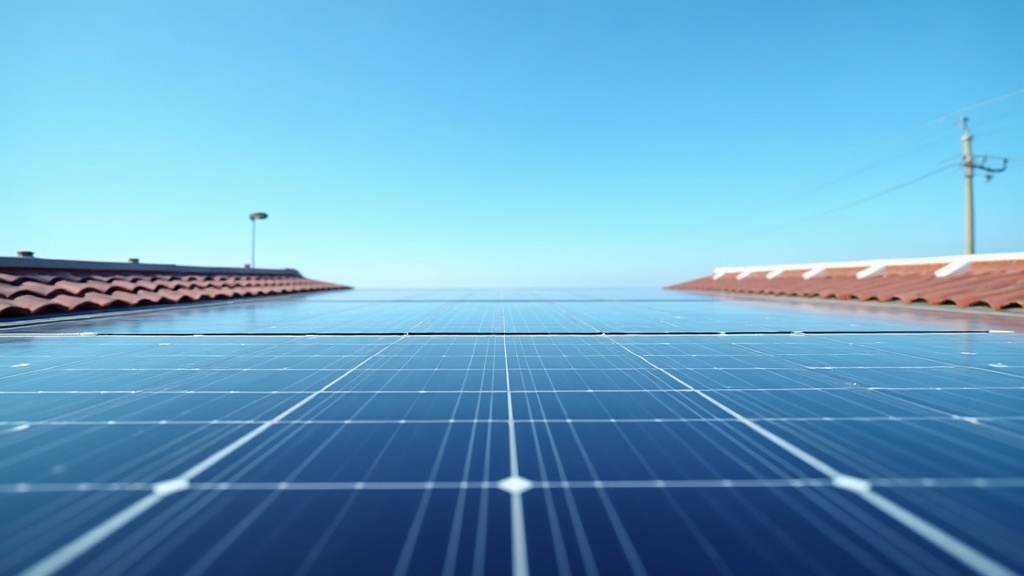
Solar panels work by using semiconductor material to convert sunlight directly into electricity, a process called the photovoltaic effect. That direct current then passes through an inverter, which converts it into the alternating current your home’s outlets and appliances actually use. The amount of electricity produced at any moment depends on sunlight intensity, panel angle, temperature, and shading — not on how much the system cost or how it was marketed to you.
The photovoltaic effect: turning light into electricity
Each solar panel is made up of many individual cells, most commonly cut from silicon that has been treated with trace amounts of other elements to create two distinct layers. One layer has a surplus of electrons, the other a deficit. When photons from sunlight strike the cell, they knock electrons loose. Because of the built-in imbalance between the two layers, those loose electrons are pushed to flow in one direction — producing a direct current (DC) electrical flow. This is a physical effect, not a chemical reaction like a battery, and it was first documented in solid materials in the 19th century, long before it became commercially useful.
A single cell produces very little power, which is why cells are wired together in a grid and sealed under tempered glass to form a panel, and panels are then wired together into an array. The wiring configuration — whether cells and panels are connected in series or parallel — affects the voltage and current the array produces, which matters for compatibility with the rest of the system’s equipment.
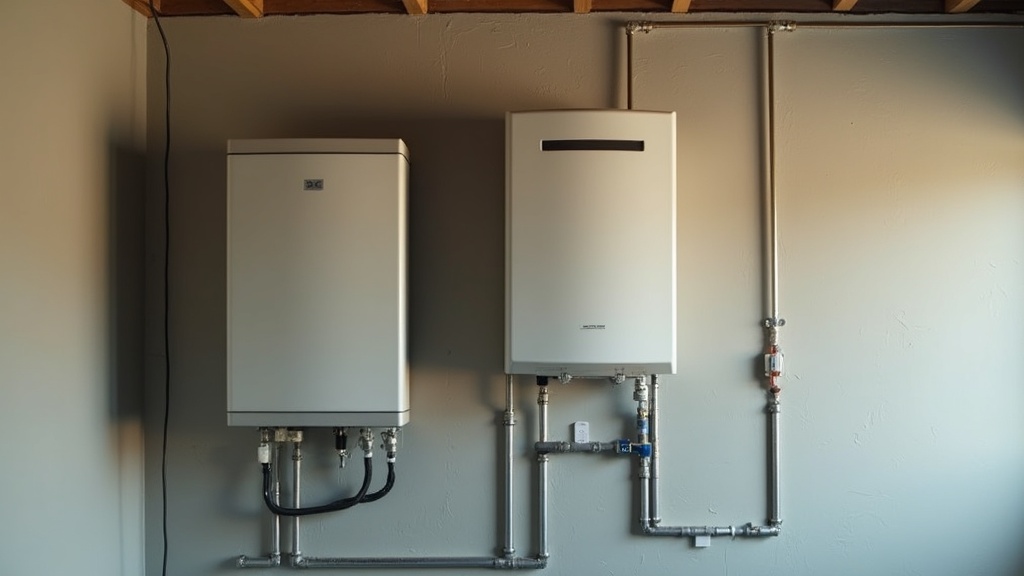
From cell to panel to a working system
A complete home solar setup is more than the panels on the roof. It typically includes:
- The panels (modules): the physical units containing wired cells.
- Racking and mounting hardware: the structure that attaches panels to a roof or ground mount at a fixed angle.
- Wiring and connectors: carrying DC electricity from the panels to the inverter.
- An inverter or microinverters: converting DC to usable AC power.
- A production meter or monitoring equipment: tracking how much electricity the system generates.
- A connection point to the home’s electrical panel and, where applicable, the utility grid.
Some systems also include a home battery, which stores excess DC or AC electricity for use when the sun isn’t shining, though a battery is a separate piece of equipment with its own costs, capacity limits, and installation requirements — not something every solar system includes by default.
DC to AC: why the inverter matters
Homes and the electrical grid run on alternating current, while solar cells produce direct current. The inverter is the piece of equipment that makes the two compatible. There are a few common approaches:
- String inverters: one central inverter processes the combined output of a “string” of panels wired together.
- Microinverters: a small inverter is attached to each individual panel, converting power at the source.
- Power optimizers: a hybrid approach, where each panel has a device that conditions its DC output before sending it to a central string inverter.
These approaches differ in cost, how the system performs when part of the array is shaded, and how failures are diagnosed. Which one suits a particular roof, budget, or shading situation is a technical judgment best made with a licensed local professional who can inspect the actual site.
What happens to the electricity once it’s made
Once converted to AC, the solar electricity flows first to the home, powering whatever is running at that moment. If the panels produce more than the home is using, the surplus typically goes one of two ways, depending on the system and location:
- Exported to the utility grid, often through an arrangement called net metering, where the utility credits the household for exported electricity. The structure, value, and even availability of net metering varies significantly by utility and jurisdiction, and many programs have been revised in recent years.
- Stored in a home battery for later use, such as in the evening or during a grid outage — though whether a battery can power the home during an outage depends on how the system is wired and configured, not just whether a battery is present.
At night or during heavy cloud cover, a grid-connected home draws electricity from the utility as usual. A system without battery storage generally does not keep the lights on during a grid outage, even though the panels are physically still on the roof — this is a common misunderstanding worth asking an installer to explain clearly for your specific setup.
What affects how much electricity a system actually produces
Panel wattage listed by a manufacturer is measured under standardized laboratory test conditions, not real rooftop conditions. Actual output is shaped by several factors:
- Sunlight availability: geographic location, local weather patterns, and season all affect how many peak sun hours a roof receives.
- Orientation and tilt: the direction panels face and the angle of the roof influence how directly sunlight hits the cells.
- Shading: even partial shading from trees, chimneys, or neighboring buildings can disproportionately reduce output, especially with certain inverter configurations.
- Temperature: counterintuitively, panels lose some efficiency in very high heat, which is why performance data usually includes a temperature coefficient.
- Dirt, dust, and debris: buildup on the panel surface can reduce output until cleaned or rinsed by rain.
- System age: panels degrade gradually over decades; manufacturers typically publish a degradation rate as part of a performance warranty.
Because of these variables, production estimates offered during a sales process are projections, not guarantees. Independent tools published by government research bodies can help households understand the general modeling behind such estimates without relying solely on a vendor’s own projection.
Panel types, briefly
Most residential systems use monocrystalline or polycrystalline silicon panels, which differ in manufacturing process, appearance, and typically efficiency and cost. Thin-film panels exist for specific applications but are less common on homes. The efficiency and durability of a specific panel model is a manufacturer specification, and comparing specification sheets or asking a professional to explain the differences is more reliable than judging by price or marketing language alone.
Incentives and interconnection rules vary by place
Whether a system qualifies for a tax credit, rebate, or expedited utility interconnection process depends on federal, state or provincial, and local utility rules that change over time and differ by jurisdiction. Some regions require a licensed electrician or permitted contractor for any grid interconnection; others have different net metering successor programs with different terms for exports. Rather than relying on a number quoted by a sales representative, the reliable path is to check directly with the relevant program administrator, your utility, or a licensed local professional for what currently applies to your address.
Frequently asked questions about how solar panels work
Do solar panels work when it’s cloudy?
Yes, panels still generate electricity in cloudy or overcast conditions, though output is lower than in direct sunlight because less light energy reaches the cells. Production also drops during heavy cloud cover or storms, and varies by region and season, which is why local weather patterns matter for expected output.
Do solar panels work at night?
No, solar panels require light to produce electricity, so they stop generating power after sunset. A home with solar continues drawing electricity from the grid at night unless it has a charged home battery configured to supply power during those hours.
What happens to solar panels during a power outage?
Most grid-connected systems automatically shut off during a utility outage for safety reasons, even if the sun is shining, unless the system includes battery storage and specific equipment configured for backup power. Ask an installer directly whether a proposed system includes outage protection.
How long do solar panels last?
Manufacturers typically publish a performance warranty covering multiple decades, with output gradually declining each year rather than stopping abruptly. Actual lifespan depends on panel quality, climate, installation, and maintenance, so reviewing the specific warranty terms for any proposed equipment is worthwhile.
Can I add a battery to solar panels later?
In many cases, yes, though compatibility depends on the existing inverter type and system design. Some setups are easier to retrofit with storage than others, and a licensed local professional can assess whether your specific system supports adding a battery and what equipment changes it would require.
Related reading
Community Solar Explained: How It Works, Solar Panel Efficiency and Degradation Over Time, Rooftop vs Ground-Mount Solar: What Actually Differs, What to Ask a Solar Installer Before You Sign.
The Cleaner Energy publishes general information about clean energy technology, not financial, tax, legal or engineering advice. We are writers and editors, not installers, contractors or financial advisers. Incentives, rebates, utility rates and equipment costs vary by location and change over time — confirm current figures with the official program administrator, your utility, or a licensed local professional before making a purchase or installation decision.