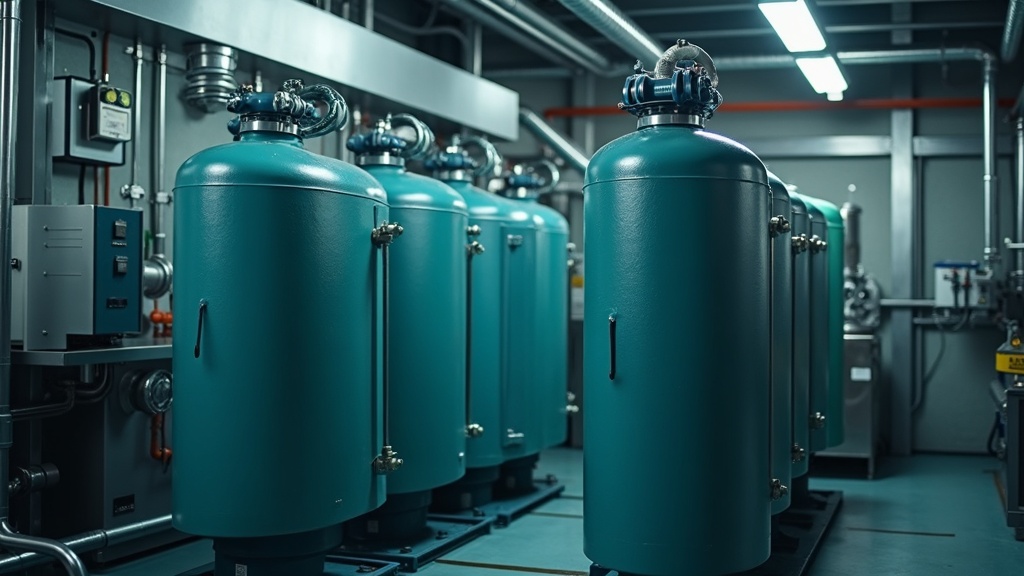
A hydrogen fuel cell generates electricity through a chemical reaction between hydrogen and oxygen, producing water and heat as byproducts instead of combustion exhaust. The electricity powers a motor or feeds a grid, similar in purpose to a battery, but a fuel cell keeps generating power as long as hydrogen fuel is supplied rather than storing a fixed charge. It’s used today in some vehicles, forklifts, backup power systems, and pilot projects for heavy transport and grid balancing, though its practicality depends heavily on where hydrogen comes from and how it’s delivered.
The basic mechanism
Inside a fuel cell, hydrogen gas is fed to one side of a membrane called the anode, while oxygen from the air reaches the other side, the cathode. A catalyst, usually containing platinum, splits hydrogen atoms into protons and electrons. The membrane allows protons through but blocks electrons, forcing the electrons to travel through an external circuit — that flow of electrons is the electric current the system produces. On the other side, protons, electrons, and oxygen recombine into water vapor. Stack enough of these cells together and the combined voltage becomes usable for a vehicle motor, a building’s electrical load, or the grid.
This is fundamentally different from burning hydrogen in an engine. There’s no flame and no combustion byproducts like nitrogen oxides from the reaction itself, though a fuel cell vehicle still has other components — compressors, cooling systems — that consume energy and require maintenance like any mechanical system.
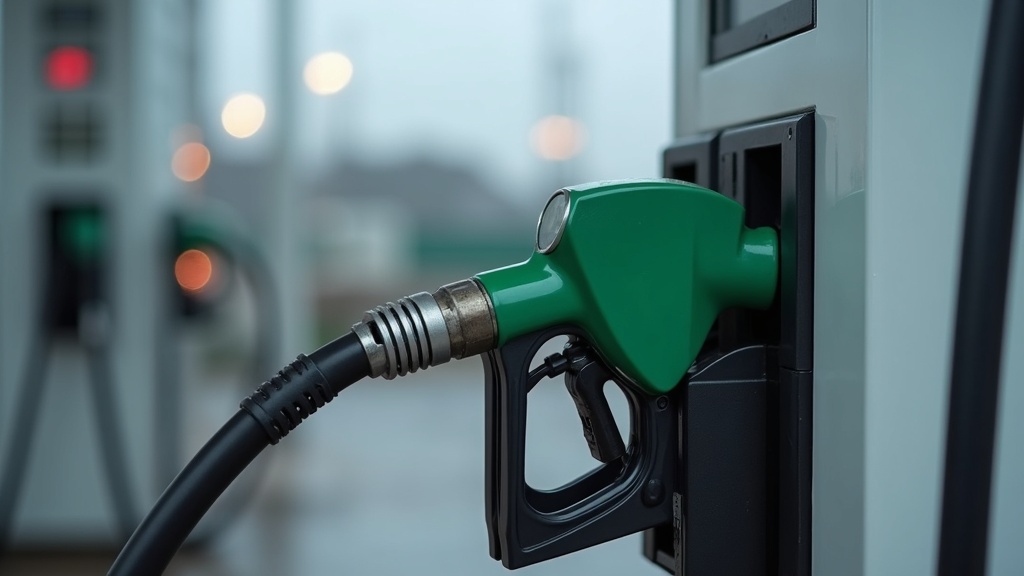
Where the hydrogen actually comes from
This is the part often left out of sales pitches, and it matters more than the fuel cell itself. Hydrogen doesn’t exist freely in usable quantities on Earth — it has to be produced, and the production method determines the climate impact of the whole system.
- Steam methane reforming: the dominant method globally, using natural gas as a feedstock and releasing carbon dioxide in the process. Hydrogen made this way is sometimes called “gray hydrogen.”
- Reforming with carbon capture: the same process paired with equipment intended to capture a portion of the resulting CO2, sometimes called “blue hydrogen.” Capture rates vary by facility and are a subject of ongoing technical debate.
- Electrolysis: using electricity to split water into hydrogen and oxygen. If that electricity comes from wind, solar, or other low-carbon sources, this is often called “green hydrogen.” The climate benefit depends entirely on the electricity mix used, which is why the source matters as much as the fuel cell technology reading about at pages like how wind turbines generate electricity.
Electrolysis is also energy-intensive — turning electricity into hydrogen and back into electricity again involves losses at each conversion step, which is a core reason fuel cells and batteries tend to be discussed as complements for different jobs rather than direct substitutes.
Fuel cells versus batteries
Readers evaluating clean-energy claims often want to know whether hydrogen fuel cells could replace battery storage in a home or vehicle. In most residential contexts, they don’t compete directly. Home battery systems, covered in detail at how home battery storage actually works, store electricity that’s already been generated on-site or drawn from the grid, and discharge it later. Fuel cells instead convert a delivered fuel into electricity on demand, which means they need a hydrogen supply chain — production, compression or liquefaction, transport, and storage — that doesn’t exist at residential scale in most places.
Where fuel cells do compete more directly is in vehicles and in some stationary backup applications, where refueling speed and range can matter more than the round-trip efficiency losses. That’s a genuinely different comparison than the one homeowners are usually making when they look at battery chemistries, which is discussed at lithium-ion vs other home battery chemistries.
| Factor | Battery electric | Hydrogen fuel cell |
|---|---|---|
| Energy source | Stored electricity, recharged from grid or on-site generation | Hydrogen gas, refueled from a station or tank |
| Refuel/recharge time | Minutes to hours depending on charger level | Minutes, comparable to liquid fuel refueling |
| Infrastructure today | Widespread home and public charging in many regions | Very limited public fueling stations, concentrated in specific regions |
| Round-trip efficiency | Generally higher | Generally lower due to conversion losses |
Where fuel cells show up today
Fuel cell electric vehicles exist as a category alongside battery electric vehicles and plug-in hybrids, a distinction explored more broadly at EV vs hybrid vs plug-in hybrid. Fuel cell passenger vehicles remain available in a small number of markets where fueling infrastructure has been built out, and availability is much narrower than for battery EVs, which can generally charge at home or through the public charging networks described at how public EV charging networks actually work.
Beyond passenger cars, fuel cells are used in materials-handling equipment like warehouse forklifts, in some transit buses, in certain freight and marine applications being piloted, and as backup or off-grid power in places where running fuel lines is more practical than running electrical lines. Some utilities and research programs are also examining hydrogen as a way to store excess renewable electricity for later use, a concept related to the broader storage strategies covered at grid-scale energy storage explained.
Efficiency and practical limits
Every conversion step loses some energy as heat. Producing hydrogen via electrolysis, compressing or liquefying it for transport and storage, then converting it back to electricity in a fuel cell involves several such steps. Direct use of electricity in a battery, by comparison, involves fewer conversions. This is one reason engineers and energy researchers frequently describe hydrogen as most useful in applications where batteries are impractical — very heavy vehicles, long-duration industrial processes, or seasonal energy storage — rather than as a general-purpose replacement for grid electricity or home batteries.
None of this means fuel cells are without a role. It means the case for using one, at any scale, depends on the specific application, the source of the hydrogen, and the infrastructure already in place in a given region — points worth raising directly with any program or company presenting hydrogen as an option.
Costs, incentives, and regional variation
Hydrogen production, distribution, and fuel cell equipment costs vary widely by country and by project, and government support for hydrogen — including research funding, production incentives, or infrastructure grants — differs by jurisdiction and changes over time as programs are introduced, extended, or wound down. Some regions have targeted hydrogen hub programs while others have none. If a program or vehicle purchase is being pitched as eligible for a specific incentive, the reliable way to check is with the official program administrator, not a sales brochure — a starting approach is outlined at how to find legitimate clean-energy incentive programs, and the general mechanics of how incentive structures work are covered at how solar tax credits and rebates work, since many of the verification steps are similar across technologies. For broader context on how policy shapes clean-energy deployment generally, see the Policy & Incentives hub.
Because hydrogen sits at the intersection of several technical fields — chemistry, materials science, and grid engineering — readers wanting more technical depth may find official sources useful. The U.S. Department of Energy publishes technical explainers on hydrogen production pathways and fuel cell operation.
Frequently asked questions about hydrogen fuel cells
Are hydrogen fuel cells better than batteries for cars?
Neither is universally “better.” Battery EVs generally have simpler, more widespread charging infrastructure, while fuel cell vehicles can refuel quickly but depend on scarce hydrogen stations. Which suits a given driver depends on regional infrastructure, typical trip length, and vehicle availability.
Is hydrogen fuel cell technology safe?
Hydrogen is flammable and requires specific handling, storage, and venting design, similar in principle to other fuels used in vehicles and industry. Fuel cell vehicles and stationary systems sold commercially go through regional safety certification processes; specifics are best confirmed with the vehicle or equipment manufacturer and applicable safety regulator.
Does making hydrogen create emissions?
It depends entirely on the production method. Reforming natural gas releases carbon dioxide; electrolysis powered by fossil-fuel electricity carries a similar footprint indirectly, while electrolysis powered by low-carbon electricity can have a much smaller footprint. The hydrogen itself doesn’t reveal how it was made.
Can I use a hydrogen fuel cell to power my house?
Residential-scale hydrogen fuel cell systems exist in limited pilot and niche commercial deployments, but they are far less common than home battery storage and require a hydrogen supply that most residential areas don’t have. For most homes, battery storage paired with solar is the more established path, discussed at how home battery storage actually works.
Why aren’t there more hydrogen fueling stations?
Building hydrogen fueling infrastructure requires production, compression or liquefaction, transport, and storage systems that are capital-intensive and only make sense where there’s enough vehicle demand to justify them — a chicken-and-egg problem that varies significantly by region and policy support.
The Cleaner Energy publishes general information about clean energy technology, not financial, tax, legal or engineering advice. We are writers and editors, not installers, contractors or financial advisers. Incentives, rebates, utility rates and equipment costs vary by location and change over time — confirm current figures with the official program administrator, your utility, or a licensed local professional before making a purchase or installation decision.