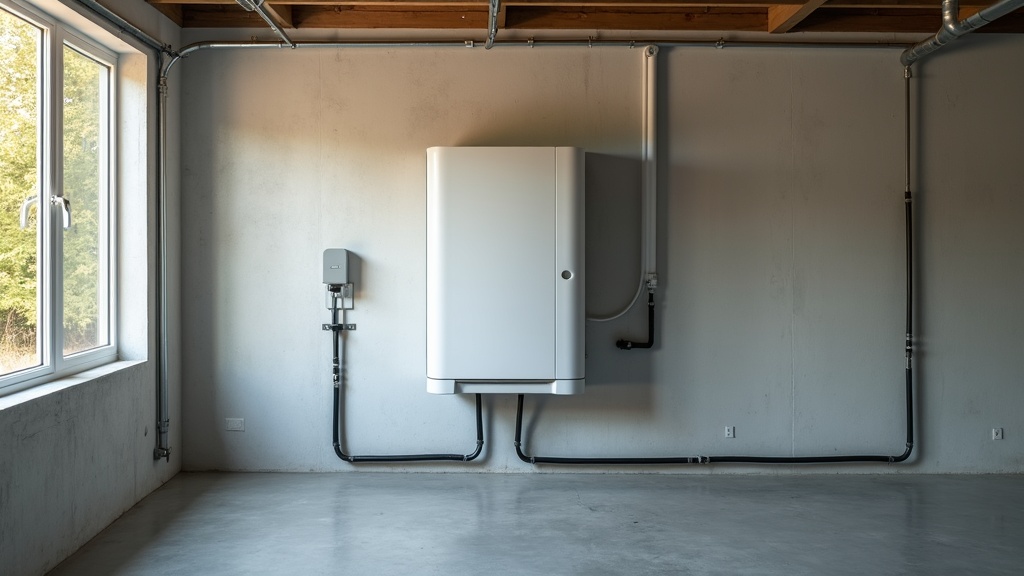
Most home batteries sold today use one of two lithium-ion chemistries — lithium iron phosphate (LFP) or nickel manganese cobalt (NMC) — chosen mainly for their energy density and cycle life. Older or niche systems may use lead-acid, and a small number of installations use saltwater or flow battery technology instead. The chemistries differ mainly in safety margin, lifespan, temperature tolerance, and how much usable capacity you get per unit of size — differences worth understanding before comparing quotes, not after signing one.
None of this is a recommendation to buy any particular battery. It’s a map of what the chemistry labels on a spec sheet actually mean, so a conversation with a licensed installer or the utility about a specific product feels less like a leap of faith.
Why chemistry is the first spec that matters
A home battery’s chemistry sets the physical limits everything else is built around: how many charge-discharge cycles it can handle before capacity fades, how hot or cold it can get before performance drops, and how the manufacturer has to engineer the enclosure and cooling to keep it safe. Two batteries with the same advertised kilowatt-hour rating can behave very differently over ten years depending on which chemistry sits inside the case. If you’ve already read about the basic parts of a battery system, this article assumes that background and goes one level deeper — into the chemistry choice itself. For the fundamentals of how a home battery charges, discharges, and talks to a solar array or the grid, see how home battery storage actually works.
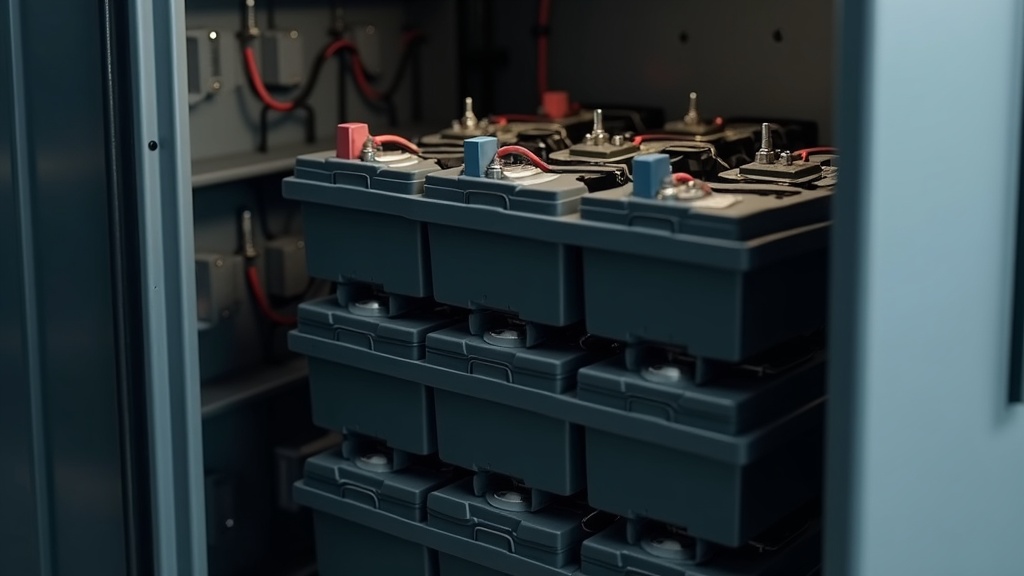
Lithium iron phosphate (LFP)
LFP has become the dominant chemistry in residential storage sold in North America, Europe, and Australia over the past several years. Its main characteristics:
- Thermal stability: LFP’s chemical structure is less prone to the runaway heating that can occur in other lithium chemistries, which is one reason many manufacturers favor it for products installed inside occupied homes.
- Cycle life: LFP cells generally tolerate a higher number of full charge-discharge cycles before capacity degrades to a manufacturer’s stated threshold, though exact figures vary by product and are set by the manufacturer’s own testing, not a universal standard.
- Energy density: LFP is somewhat heavier and bulkier per kilowatt-hour than NMC, which matters more for wall space or weight limits than for typical home use.
- Cold performance: Like all lithium batteries, LFP charges poorly below freezing and most systems include internal heating or restrict charging in cold conditions — worth asking about for an unheated garage or outdoor installation.
Nickel manganese cobalt (NMC)
NMC batteries pack more energy into a smaller, lighter case than LFP, which made them common in early residential storage products and remains why they’re still used in some compact or space-constrained systems. The tradeoffs:
- Higher energy density means a smaller footprint for the same rated capacity — relevant where wall space is tight.
- Lower thermal stability margin compared with LFP means manufacturers rely more heavily on battery management electronics and enclosure design to manage heat, which is a normal engineering tradeoff rather than evidence a product is unsafe.
- Cobalt content ties NMC batteries to cobalt mining supply chains, a separate topic from home safety but one some buyers weigh for other reasons.
Lead-acid (flooded and sealed)
Lead-acid batteries — the same basic chemistry used in cars, deep-cycle marine batteries, and older off-grid solar setups — are largely legacy technology in new residential storage but still show up in budget systems, some off-grid cabins, and older installations still in service. Key points:
- Lower upfront cost per unit, but shallower usable depth of discharge — typically only part of the rated capacity should be regularly used to protect battery life, versus lithium chemistries that tolerate deeper regular discharge.
- Shorter cycle life and a shorter overall service life than lithium options in most published manufacturer data.
- Bulkier and heavier for the same usable capacity, and flooded versions need periodic maintenance and ventilation.
Saltwater and other emerging chemistries
A handful of manufacturers have marketed saltwater electrolyte batteries as a lithium-free alternative, positioned around lower fire risk and simpler recycling. Flow batteries — which store energy in liquid electrolyte tanks rather than solid cells — appear occasionally in larger residential or small commercial projects, valued for long cycle life and the ability to scale storage duration independently of power output. Both remain a small share of the residential market compared with lithium-ion, and availability, service networks, and long-term parts support vary a great deal by region — questions worth raising directly with any installer proposing one.
Comparing the chemistries side by side
| Chemistry | Typical cycle life | Thermal stability | Common home use |
|---|---|---|---|
| LFP (lithium iron phosphate) | Higher, varies by manufacturer | Higher margin | Most new residential systems |
| NMC (lithium nickel manganese cobalt) | Moderate-high, varies by manufacturer | Lower margin than LFP | Compact or older systems |
| Lead-acid | Lower | Stable but bulky | Off-grid, legacy, budget systems |
| Saltwater / flow | Varies widely by design | Generally considered low fire risk | Niche, limited availability |
These are general patterns, not guarantees for any specific product — a manufacturer’s own datasheet, warranty terms, and independent certification listings are the only reliable source for a given model’s numbers.
What actually determines a good fit
Chemistry is one input among several. The other big variables are how the battery pairs with an existing or planned solar array, what backup duration a household actually needs during an outage, local building and fire codes governing indoor versus outdoor placement, and how a given utility’s rate structure or demand charges make storage more or less useful. Households already exploring solar energy systems often evaluate batteries at the same time an installer proposes a system size, which is a reasonable moment to ask how chemistry choice affects warranty terms and depth of discharge. The broader energy storage and batteries category covers related basics if you’re starting from scratch.
Regional rules also affect what’s available: some jurisdictions restrict indoor lithium battery installations by chemistry, size, or location within the home, and fire codes are updated periodically by local authorities having jurisdiction. A licensed local electrician or installer is the right source for what’s currently permitted at a specific address — this varies by state, province, and municipality, and general articles like this one cannot substitute for that local check. If a household hasn’t yet had an energy audit, that process can also surface how much backup capacity actually matches real household usage, rather than a rough estimate.
Questions worth asking regardless of chemistry
- What depth of discharge does the manufacturer recommend for daily use versus occasional backup, and how does that affect the warranty?
- What certifications (such as UL 9540A testing in the U.S., or the equivalent standard in your country) has this specific model passed?
- What temperature range does the battery require, and does the proposed installation location meet it year-round?
- How does the manufacturer’s stated cycle life translate into an expected capacity at a given number of years, and is that guaranteed in the warranty or just a projection?
Anyone gathering quotes may find it useful to work through a broader list before a contract is signed, covered in what to ask a solar installer before you sign, since battery and solar proposals are frequently bundled together.
Frequently asked questions about home battery chemistries
Is LFP better than NMC for home batteries?
LFP generally offers a wider thermal safety margin and longer cycle life in manufacturer testing, while NMC packs more energy into less space. “Better” depends on priorities like available wall space, local fire code requirements, and warranty terms — a licensed installer can compare specific products against your situation.
Do lithium home batteries catch fire?
Any battery chemistry carries some fire risk if damaged, poorly installed, or improperly managed, which is why certification testing, proper ventilation, and code-compliant installation exist. Lithium batteries built and installed to current safety standards are designed to minimize that risk, but local fire codes and product certifications are the authoritative check, not general articles.
How long do home batteries actually last?
Lifespan depends on chemistry, how deeply and often the battery cycles, temperature exposure, and manufacturer design, and is typically expressed as a cycle count or warranty year figure on the product’s own documentation. There’s no single number across all products — the manufacturer’s warranty and independent test data are the sources to check.
Can I add a battery to an existing solar system regardless of chemistry?
Often yes, but compatibility depends on the inverter, existing wiring, and whether the battery is designed for retrofit versus new installations — something explained more broadly in how solar panels actually work alongside inverters. A local installer needs to assess the specific existing system before confirming compatibility.
Are saltwater batteries a real alternative to lithium-ion?
Saltwater and flow batteries exist commercially and are marketed around lower fire risk, but they remain a small share of the residential market with less widespread service and parts availability than lithium-ion. Availability varies significantly by region, so checking with local suppliers about support and warranty terms matters more than with mainstream lithium products.
The Cleaner Energy publishes general information about clean energy technology, not financial, tax, legal or engineering advice. We are writers and editors, not installers, contractors or financial advisers. Incentives, rebates, utility rates and equipment costs vary by location and change over time — confirm current figures with the official program administrator, your utility, or a licensed local professional before making a purchase or installation decision.