Electric and gas appliances differ in three fundamental ways: how they produce heat, how much of that energy actually reaches the room or the pot, and what they require from your home’s wiring, gas line, or venting. Electric appliances — especially heat pumps and induction cooktops — move or generate heat using electricity, while gas appliances burn fuel on-site and vent combustion byproducts outside. Which one costs less to run, and which one an incentive program favors, depends heavily on local electricity and gas prices, climate, and the specific equipment involved — there’s no single answer that applies everywhere.
How each one actually makes heat
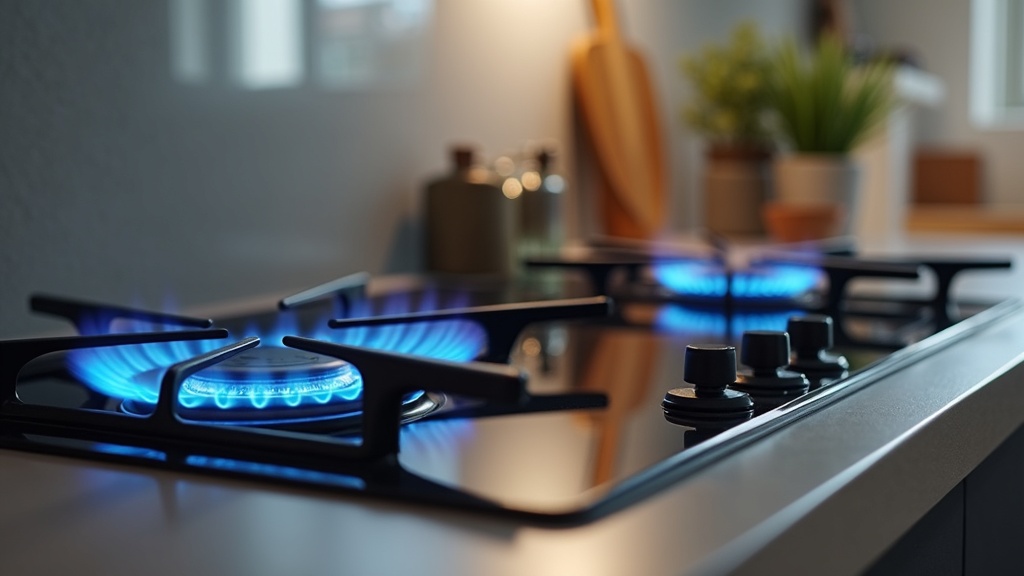
Gas appliances — furnaces, water heaters, stoves, and dryers — burn natural gas or propane in a combustion chamber. That flame heats a surface, water, or air directly, and the combustion gases are vented outdoors through a flue or chimney. The appliance needs a fuel line, a way to exhaust exhaust gases safely, and usually a small amount of electricity just to run controls and ignition.
Electric appliances fall into two very different categories, and conflating them causes most of the confusion in this comparison. Resistive electric appliances — a standard electric coil stove, an electric water heater tank, or electric baseboard heat — push electricity through a resistive element that gets hot, similar in principle to a toaster. Heat pump appliances — heat pump water heaters, heat pump clothes dryers, and heat pump space heating systems — don’t generate heat from scratch. They move existing heat from one place to another using a refrigerant cycle, the same basic mechanism used in a refrigerator or air conditioner run in reverse. That distinction matters enormously for efficiency, which is covered in more detail on this site’s comparison of heat pumps and traditional HVAC systems.
Efficiency: site energy vs delivered heat
A gas furnace or water heater loses some energy up the flue as exhaust heat; well-designed modern units recover much of that, but some loss is unavoidable with combustion. A resistive electric heater, by contrast, converts nearly all the electricity it draws into heat at the point of use — but “nearly all” isn’t the same as “efficient,” because a heat pump can move two to four units of heat energy for every one unit of electricity it consumes, since it’s relocating heat rather than creating it. This is why heat pump water heaters and heat pump space heating systems are treated differently in efficiency ratings and incentive programs than either gas appliances or plain resistive electric ones — they occupy a distinct efficiency category.
None of this determines your actual utility bill on its own. What you pay depends on the price of electricity per kilowatt-hour and gas per therm or cubic meter in your specific service territory, both of which vary by utility, region, and season. Reviewing your own home energy bill line by line is a more reliable way to understand your household’s actual cost drivers than any general comparison.
Cooking: gas flame vs induction
Gas cooktops heat a pan directly with an open flame, giving visible, instant control that many cooks are used to. Electric coil and radiant glass-top stoves heat an element that then heats the pan, with more lag. Induction cooktops are a third, separate technology: they use an electromagnetic field to heat the pan itself directly, leaving the cooktop surface relatively cool to the touch and responding to temperature changes almost as fast as gas. Induction requires magnetic (typically cast iron or certain stainless steel) cookware and a compatible electrical circuit — it isn’t a drop-in swap for existing wiring in every kitchen, which is worth checking before assuming a switch is straightforward.
Space and water heating: what changes at the equipment level
Switching between gas and electric space or water heating usually involves more than swapping one box for another. A gas furnace or water heater needs a functioning gas line and venting; removing it and installing an electric heat pump version means that line may need to be capped, and the electrical panel may need to supply a new dedicated circuit. Older homes with limited panel capacity sometimes need an electrical service upgrade to accommodate added electric load, particularly if a household is also adding EV charging or other high-draw equipment. A qualified electrician or HVAC contractor is the right party to assess panel capacity and circuit needs for a specific property — that’s a site-specific determination, not something a general article can answer.
Climate matters too. Cold-climate heat pump equipment has improved substantially, but performance and efficiency still vary by outdoor temperature, and in very cold conditions some systems use backup resistive heat or a paired gas furnace. Whether that trade-off makes sense for a given house depends on local climate data and the specific equipment’s cold-weather ratings, which a contractor or the equipment’s own specifications can clarify.
Installation and infrastructure differences
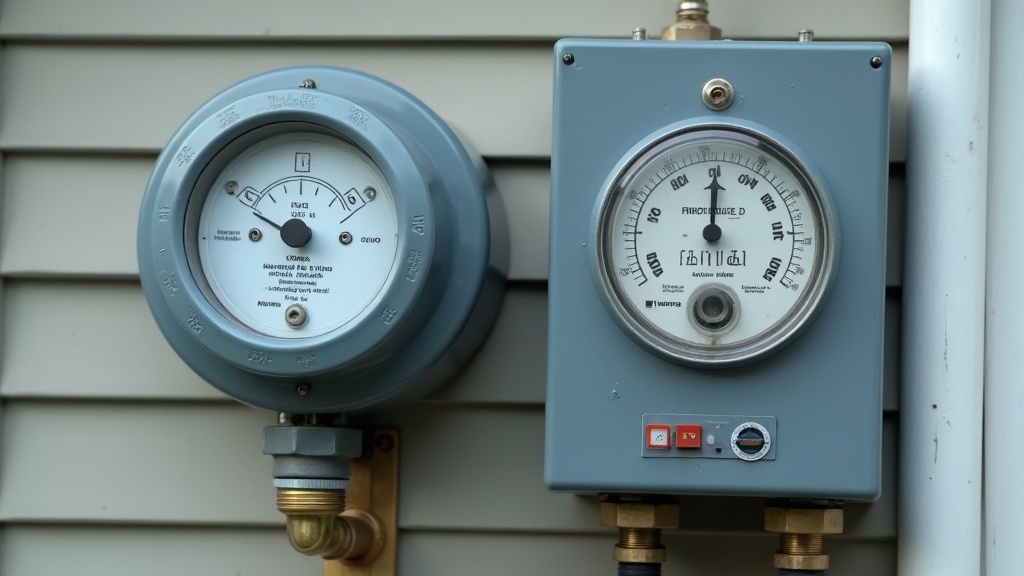
- Gas appliances require an existing or new gas line, proper venting or a flue, and periodic checks for gas leaks and combustion safety.
- Electric resistive appliances need a dedicated circuit sized for their load, which is usually simpler to add than gas infrastructure but still an electrical job.
- Electric heat pump appliances add outdoor or indoor refrigerant-cycle components, condensate drainage in some cases, and often a higher electrical draw than the resistive equivalent, though less than one might expect given their efficiency.
Homes without any existing gas service face an added decision: running a new gas line versus staying all-electric is a separate project with its own utility approval process and cost, distinct from the appliance purchase itself.
Indoor air and combustion byproducts
Combustion appliances produce byproducts — including nitrogen dioxide and carbon monoxide — that are meant to be vented outside. Proper venting, an appropriately sized flue, and functioning carbon monoxide detectors are standard safety expectations for any gas appliance. Electric appliances, including induction cooktops and heat pumps, don’t produce combustion byproducts indoors at all, since there’s no on-site flame. Ventilation and indoor air quality are subjects worth understanding on their own terms rather than assuming any appliance change automatically solves or creates a problem — a broader look at reducing energy use and improving comfort without new equipment is covered in cutting home energy use without solar or new equipment.
Costs, incentives, and why they vary
Both gas and electric appliances have been subject to rebate and tax incentive programs in various regions, particularly for higher-efficiency electric equipment like heat pump water heaters and heat pump HVAC systems. The programs, eligible equipment, and dollar or percentage values differ by country, state or province, and even by utility territory, and they change or expire over time. Rather than relying on a number found anywhere online, including here, confirming current terms directly with the program administrator or utility is the only reliable way to know what actually applies to a specific address. This site’s guide to finding legitimate clean-energy incentive programs walks through how to verify a program is real and current. A home energy audit can also help identify which appliances and envelope issues are actually driving a household’s energy costs before any equipment decision is made, and pairing new equipment with a smart thermostat or improved controls is a separate, lower-cost step some households explore first. For a wider view of efficiency topics, the home energy efficiency section on this site covers related equipment and building-envelope subjects.
Frequently asked questions about electric vs gas appliances
Is it cheaper to cook with gas or electric?
It depends on local electricity and gas prices, which vary by utility and region, plus the specific appliance type — induction is generally more efficient than gas or coil electric at converting energy into cooked food, but “cheaper” depends on your rates, not the technology alone.
Do I need to upgrade my electrical panel to switch from gas to electric?
Sometimes. Older homes with limited panel capacity may need an upgrade to add heat pump HVAC, water heating, or an induction range, especially alongside other electric loads like EV charging. An electrician can assess your specific panel and circuits.
Are heat pumps better than gas furnaces in cold climates?
Cold-climate heat pump technology has improved and many models perform well in freezing conditions, but efficiency drops as outdoor temperature falls, and some systems pair with backup heat. Performance varies by equipment model and local climate, so checking a unit’s cold-weather ratings matters.
Is induction cooking the same as electric coil cooking?
No. Induction uses an electromagnetic field to heat the pan directly and requires magnetic cookware, while coil or radiant electric stoves heat an element that then heats the pan. Induction generally responds faster and stays cooler on the surface than either coil electric or gas.
Will switching from gas to electric appliances lower my utility bill?
It can’t be answered in general — it depends on your local electricity and gas rates, the efficiency of the specific old and new equipment, your climate, and your usage patterns. Reviewing your own energy bill and getting a local professional’s assessment is more reliable than any general comparison.
The Cleaner Energy publishes general information about clean energy technology, not financial, tax, legal or engineering advice. We are writers and editors, not installers, contractors or financial advisers. Incentives, rebates, utility rates and equipment costs vary by location and change over time — confirm current figures with the official program administrator, your utility, or a licensed local professional before making a purchase or installation decision.