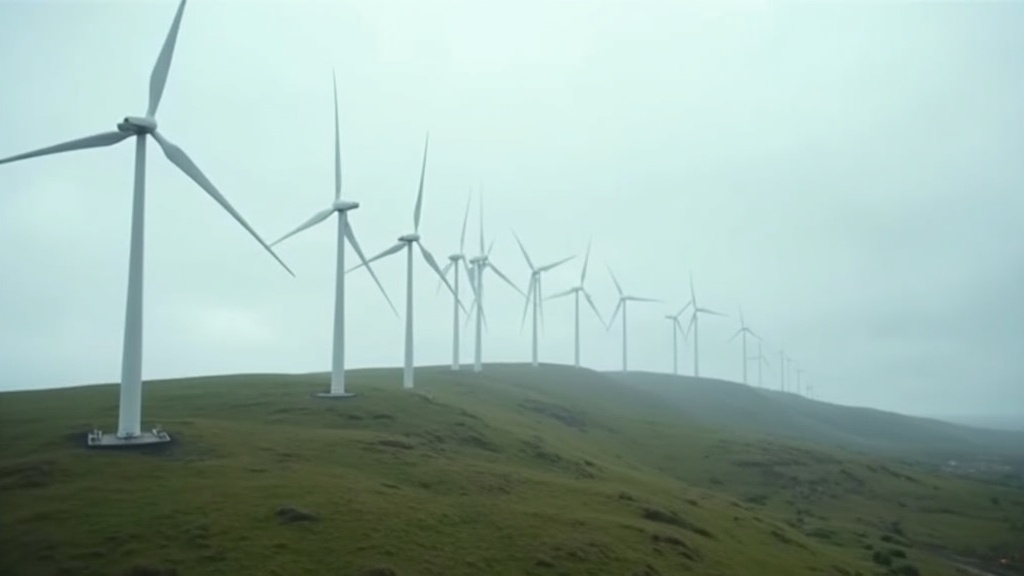
A wind turbine generates electricity by using its blades to capture the kinetic energy of moving air and turn a rotor, which spins a shaft connected to a generator. The generator converts that mechanical spinning motion into electrical current through electromagnetic induction. From there, the electricity is conditioned and stepped up in voltage before it moves into transmission lines or a local grid. The whole process is mechanical and electromagnetic, not chemical — there’s no combustion or fuel involved.
From moving air to spinning blades
Wind turbines work on the same basic principle as a pinwheel, scaled up dramatically. When wind flows across a turbine’s blades, it doesn’t just push them — the blades are shaped like airfoils, similar to an airplane wing, so the air moving over the curved surface creates a pressure difference that generates lift. That lift force causes the rotor to turn. This is more efficient than relying on wind simply pushing a flat surface, which is why modern turbine blades have that long, twisted, aerodynamic profile rather than looking like a sail or a fan blade.
The rotor is connected to a low-speed shaft inside the turbine’s nacelle — the housing that sits atop the tower. In most utility-scale turbines, that shaft feeds into a gearbox, which increases the rotational speed before it reaches the generator. Some newer turbine designs use a direct-drive system that skips the gearbox entirely, which can reduce mechanical wear but involves different tradeoffs in generator size and cost.
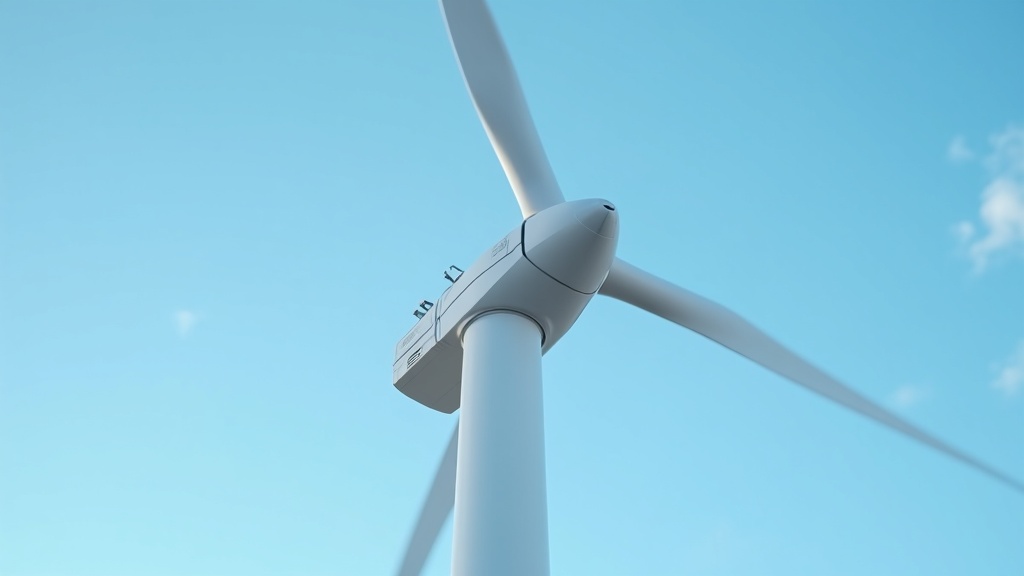
Inside the nacelle: where mechanical energy becomes electricity
The generator is where the actual electricity gets made. Inside it, the spinning shaft rotates a set of magnets past coils of wire (or the reverse arrangement, depending on design). This relative motion between a magnetic field and a conductor induces an electric current — the same electromagnetic principle used in almost every generator, from a hand-crank flashlight to a hydroelectric dam.
The electricity that comes out of the generator is alternating current (AC), but its frequency and voltage aren’t yet suitable for the grid. Power electronics inside the nacelle and at the base of the tower adjust the output so its frequency matches grid standards, and a transformer steps up the voltage substantially for efficient transmission over long distances. This is conceptually similar to how a home solar system needs an inverter to convert direct current into grid-compatible AC, as described in our piece on how solar panels actually work — different source, same basic need to condition raw electrical output before it’s usable.
Turning to face the wind — and knowing when to stop
Most large turbines are horizontal-axis designs, meaning the rotor shaft is roughly parallel to the ground and the blades sweep a vertical circle, like a giant airplane propeller mounted on a pole. A yaw system, guided by wind vanes and sensors on the nacelle, rotates the entire top assembly so the blades keep facing directly into the wind as conditions shift. Vertical-axis turbines, where the rotor spins around an upright axis, exist too and don’t need to be steered into the wind, but they’re less common in large-scale power generation and tend to show up more in smaller or specialty applications.
Turbines also have to manage too much wind, not just too little. A control system called pitch control rotates the blades along their own axis to change the angle they present to the wind, reducing lift in high winds to protect the mechanism. If wind speeds exceed a turbine’s rated safety threshold, the blades are pitched to a near-flat position and mechanical brakes may engage, stopping rotation entirely until conditions calm down. This cutoff point is a designed safety limit, not a flaw — running a turbine into damaging wind speeds would risk the equipment for no real gain.
What determines how much electricity a turbine actually produces
Output depends on several interacting factors, and this is where local conditions matter enormously:
- Wind speed: the energy available in wind increases with roughly the cube of wind speed, so a modest increase in average wind speed at a site can mean a much larger increase in potential output.
- Air density: colder, denser air carries more energy per cubic meter than warm or high-altitude thin air.
- Blade length (rotor diameter): longer blades sweep a larger area and capture more wind energy, which is part of why turbine and blade sizes have grown substantially over time.
- Hub height: wind speeds generally increase with height above ground, away from surface friction and obstructions like trees or buildings, so taller towers often access stronger, steadier wind.
- Site consistency: steady, predictable wind produces more usable electricity over a year than the same average speed delivered in unpredictable gusts and lulls.
Because of these variables, the same turbine model can produce very different amounts of electricity depending on where it’s installed — a coastal or open-plain site versus a sheltered inland location, for example. This is the wind-power equivalent of how rooftop vs ground-mount solar installations perform differently based on shading, orientation, and available space; the underlying technology is similar, but the site conditions decide the real-world output.
From the turbine to the grid — or to a home
Utility-scale wind farms feed their electricity into the regional transmission grid, where it’s combined with power from other sources — natural gas, nuclear, hydro, solar, and more — and distributed to homes and businesses based on demand, not on which turbine happens to be spinning at that moment. This pooling is part of why grid-connected wind doesn’t require a home to have its own storage system to be useful; the grid itself acts as the balancing mechanism.
Small-scale or residential wind turbines exist too, generally aimed at rural or off-grid properties with consistently strong, unobstructed wind. These systems face different engineering, zoning, and maintenance considerations than a rooftop solar array, and the questions worth asking before committing to one are similarly specific to the property — output estimates, noise, structural requirements, and local permitting rules all vary by location. If you’re comparing a wind option against other renewable choices for a property, the kind of due-diligence questions covered in what to ask a solar installer before you sign are a useful starting point for the mindset, even though the specific technical questions for wind differ from those for solar.
For readers exploring clean energy options more broadly, including how wind fits alongside other technologies, our solar energy section covers related generation and storage topics, and pieces like community solar explained illustrate how shared renewable projects — a model that also exists for community wind in some regions — let households benefit from generation they don’t host on their own property. Turbine components, like solar panels discussed in our piece on solar panel efficiency and degradation over time, also experience gradual wear and performance changes over decades of operation, which is one reason maintenance schedules and equipment warranties matter in any renewable technology decision.
Frequently asked questions about how wind turbines generate electricity
How do wind turbines make electricity without burning fuel?
Wind turbines use moving air to spin blades shaped like airfoils, which turns a shaft connected to a generator. Inside the generator, that spinning motion moves magnets past wire coils, inducing an electric current through electromagnetic induction — no combustion is involved anywhere in the process.
What happens to a wind turbine when there’s no wind?
When wind speeds drop below a turbine’s minimum operating threshold, the blades simply don’t generate enough lift to turn efficiently, and the turbine produces little or no electricity. Grid operators manage this by drawing on other generation sources during low-wind periods, which is a core reason wind is usually paired with a diverse regional power mix.
Do wind turbines work in low wind areas?
Turbines can turn in light wind, but their electricity output drops sharply because available wind energy increases roughly with the cube of speed. Whether a location is suitable for wind generation, at any scale, depends on measured local wind resource data, which a qualified assessor or program administrator can evaluate for a specific site.
How tall do wind turbines need to be to generate electricity?
Taller towers generally access stronger, steadier wind because surface friction from the ground, trees, and buildings slows air movement closer to the earth. Height requirements vary by turbine size and site conditions, and local zoning or aviation regulations can also affect what’s permitted in a given area.
Can a home wind turbine actually power a house?
A small wind turbine can contribute electricity to a home, particularly on rural properties with consistent, unobstructed wind, but whether it can meaningfully offset a household’s usage depends on local wind conditions, turbine size, and how the system is connected to the home’s electrical setup — details worth confirming with a licensed local professional.
The Cleaner Energy publishes general information about clean energy technology, not financial, tax, legal or engineering advice. We are writers and editors, not installers, contractors or financial advisers. Incentives, rebates, utility rates and equipment costs vary by location and change over time — confirm current figures with the official program administrator, your utility, or a licensed local professional before making a purchase or installation decision.