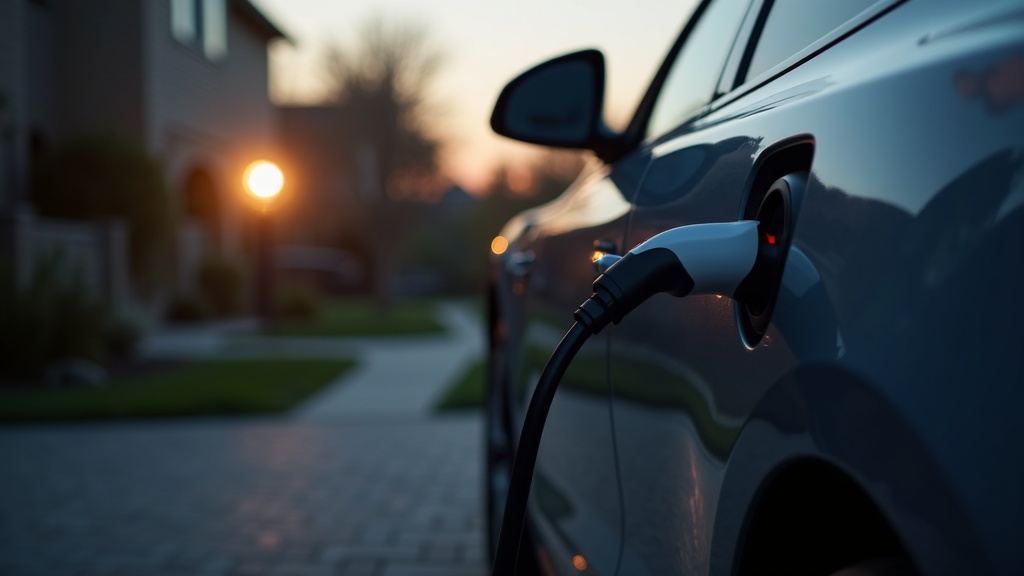
Electric vehicle charging comes in three basic tiers — Level 1, Level 2, and DC fast charging — and they differ mainly in how much power they push into the battery and how they connect. Level 1 uses a standard household outlet and charges slowly, Level 2 uses a dedicated 240-volt circuit and charges several times faster, and DC fast charging bypasses the car’s onboard converter to add significant range in well under an hour. Which one makes sense for a given driver depends on daily mileage, where the car parks overnight, and what the local electrical panel and utility can support.
Level 1: the outlet you already have
Level 1 charging uses a standard 120-volt household outlet in North America (230-240V single phase in many other regions, though the equipment and expectations differ) and the portable cord that typically comes with the vehicle. No new wiring or dedicated circuit is required in most cases, which makes it the lowest-effort way to start charging at home. The tradeoff is speed: Level 1 typically adds only a few miles of range per hour of charging, so a full overnight session covers a modest amount of driving.
This is often enough for drivers with short daily commutes and a car that sits parked for eight or more hours overnight. It becomes a poor fit quickly for households with higher daily mileage, multiple EVs sharing one outlet, or no predictable long parking window. Anyone plugging into an older or shared circuit should also ask an electrician about the circuit’s condition and whether it’s rated for the sustained load of hours-long charging, since this is exactly the kind of question covered during a broader home energy audit.
Level 2: the standard for home and public charging
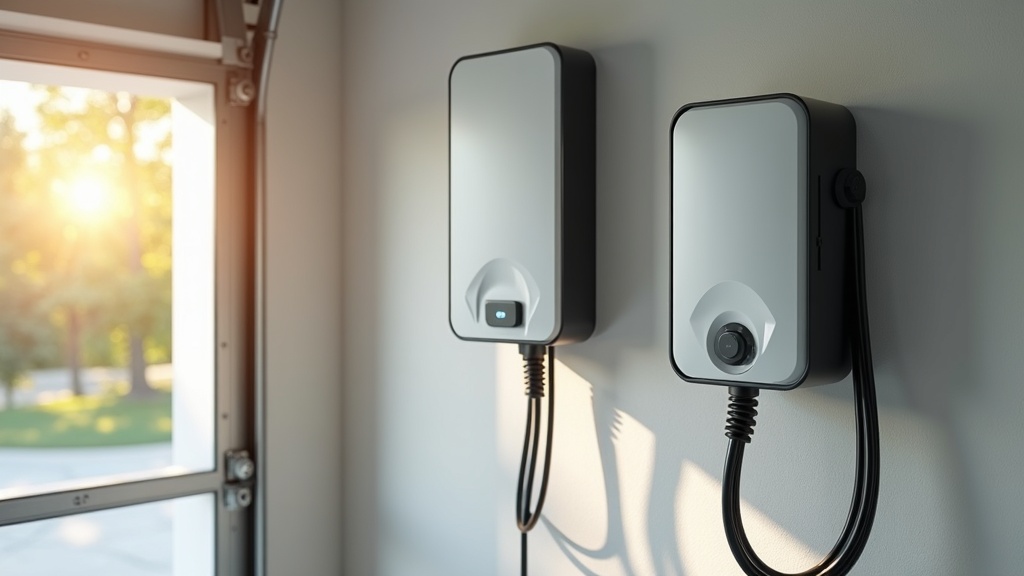
Level 2 charging uses a 240-volt circuit, similar to what an electric clothes dryer or oven uses, delivered either through a dedicated wall-mounted charging unit or a plug-in charger connected to an appropriate outlet. It charges considerably faster than Level 1 — commonly adding a meaningful chunk of range per hour rather than per overnight session — which is why it’s the default recommendation from most automakers for home installations and why it’s the most common charging type at workplaces, parking garages, and public charging stations.
Installing Level 2 charging at home generally means running a new circuit from the electrical panel, which raises questions that go beyond what this article can answer for any individual home: whether the panel has spare capacity, whether the service needs upgrading, and what permits or inspections the local jurisdiction requires. These are questions for a licensed electrician, not a general information site, but understanding that the answer depends on the home’s existing electrical infrastructure — not just the charger itself — helps set expectations before requesting quotes. The same panel-capacity questions come up when a household is also considering other electrified equipment, such as a heat pump replacing a furnace or air conditioner, so it’s worth thinking about total electrical load rather than the charger in isolation.
DC fast charging: for the road, not the driveway
DC fast charging (sometimes called Level 3, though that’s not the official term) delivers direct current straight to the battery, skipping the onboard AC-to-DC converter that limits Level 1 and Level 2 speeds. This is what allows a fast charger to add a substantial percentage of battery capacity in a fraction of the time Level 2 would take. It requires specialized, expensive equipment and a much larger electrical connection than a typical home has, which is why it’s found almost exclusively at public charging stations along travel corridors, near retail centers, or at dedicated charging hubs — not in residential garages.
Charging speed at a DC fast charger isn’t constant. Batteries accept charge fastest when they’re relatively empty and slow down noticeably as they approach full, which is part of why fast-charging networks and vehicle manufacturers often describe charging in terms of reaching a partial charge quickly rather than a full one. Cold weather also reduces charging speed at any level, since batteries manage temperature differently in freezing conditions — a factor worth keeping in mind alongside other cold-weather home concerns covered in guides on weatherproofing a home for winter.
Comparing the three levels
| Charging level | Typical power source | Where it’s used | Rough speed sense |
|---|---|---|---|
| Level 1 | Standard household outlet | Home, overnight | Adds a few miles of range per hour |
| Level 2 | Dedicated 240V circuit | Home, workplace, public parking | Adds a meaningful range per hour, varies by charger and vehicle |
| DC fast charging | High-capacity DC connection | Public fast-charging stations | Adds significant range in well under an hour, slowing near full |
Actual speeds vary by vehicle, charger hardware, battery temperature, state of charge, and the specific circuit or station used, so any numbers a dealer or charger manufacturer quotes should be treated as a range rather than a guarantee.
What this means for choosing a setup
For most homeowners the practical question isn’t “which level is best” in the abstract but which level matches actual driving patterns and what the home’s electrical system can reasonably support. A short commute and consistent overnight parking might make Level 1 genuinely sufficient. Higher mileage, multiple EVs, or unpredictable schedules tend to push households toward Level 2. DC fast charging is generally a public-infrastructure tool for longer trips rather than a home installation option, given its cost and power requirements.
Households that generate their own electricity are increasingly pairing home charging with rooftop solar, since solar energy systems can offset some of the electricity used for charging depending on system size, panel orientation, and how solar panels actually convert sunlight into usable electricity. Whether that pairing makes sense for a given home depends on local utility rate structures, net metering rules, and the household’s charging patterns — all things to raise directly with a solar installer or the utility rather than assume from a general description. For broader context on where home electrical upgrades fit into a household’s overall efficiency picture, the home energy efficiency archive covers related topics like insulation and heating systems that also draw on panel capacity.
Incentive programs for home EV charging equipment and installation exist in many places but vary by country, state or province, and utility territory, and they change or expire without much notice. The only reliable way to know what applies to a specific address is to check with the relevant program administrator or utility directly before budgeting around an assumed rebate.
Frequently asked questions about EV charging levels
What’s the difference between Level 1 and Level 2 EV charging?
Level 1 uses a standard household outlet and charges slowly, typically adding a few miles of range per hour. Level 2 uses a dedicated 240-volt circuit, similar to a dryer outlet, and charges considerably faster, making it the more common choice for daily home charging.
Can I install a Level 2 charger myself?
Level 2 charging requires a dedicated 240-volt circuit run from the electrical panel, which generally involves permits, inspection, and panel capacity checks best handled by a licensed electrician familiar with local codes and utility requirements.
Is DC fast charging bad for my EV battery?
Battery behavior under fast charging varies by vehicle chemistry, thermal management system, and how often it’s used, and manufacturers differ in their guidance. This is a question best directed to the vehicle manufacturer’s own documentation rather than general assumptions.
Do I need a Level 2 charger at home if there are fast chargers nearby?
It depends on driving patterns, how close and reliable nearby fast chargers are, and cost per session compared to home charging. Many drivers use home Level 2 charging for daily needs and reserve fast charging for longer trips, but circumstances vary by location.
How do I know if my home’s electrical panel can support a Level 2 charger?
Panel capacity depends on the home’s existing electrical load, service size, and local code requirements, which is why an electrician typically evaluates the panel directly rather than estimating from general specifications alone.
The Cleaner Energy publishes general information about clean energy technology, not financial, tax, legal or engineering advice. We are writers and editors, not installers, contractors or financial advisers. Incentives, rebates, utility rates and equipment costs vary by location and change over time — confirm current figures with the official program administrator, your utility, or a licensed local professional before making a purchase or installation decision.