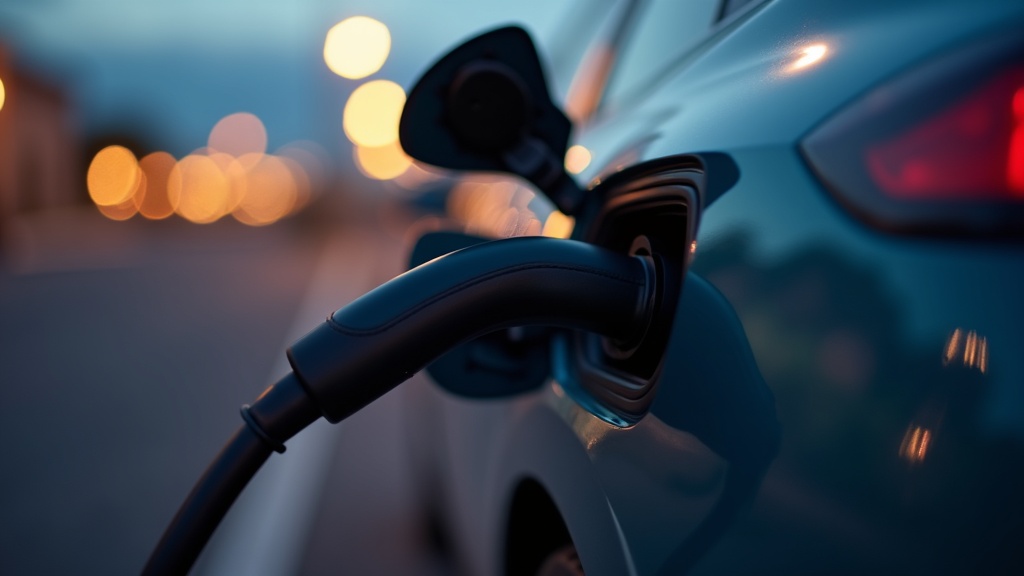
EV battery degradation is the gradual, mostly unavoidable loss of a battery’s ability to hold its original amount of charge, which shows up over years as a slightly lower maximum driving range. It happens to every lithium-ion battery through normal chemical aging and use, but the rate varies widely depending on climate, charging habits, and how the vehicle’s battery management system protects the cells. For most daily drivers, degradation is slow enough that it’s a minor factor compared to weather, driving speed, and cargo load in determining real-world range on any given day.
What “range” actually means
The range figure on a window sticker or spec sheet is a laboratory or standardized estimate, not a guarantee. Different regions use different test cycles — the EPA rating common in the United States tends to run more conservative than Europe’s WLTP figures, which is one reason a model can list different numbers depending on where it’s sold. Even within one rating system, the number reflects a specific test condition: moderate temperature, a defined speed profile, and no accessories running. Real-world range shifts with outside temperature, HVAC use, tire pressure, terrain, and speed, since aerodynamic drag alone can eat noticeably into range once you’re driving well above typical highway limits.
Cold weather is the single biggest everyday swing factor. Battery chemistry is less efficient at low temperatures, and cabin heating draws directly from the same battery that powers the motor, so winter range drops are normal and expected rather than a sign of a fault. This is a separate issue from long-term degradation, though the two get confused often — a car that seems to have “lost range” in January may simply be behaving like every EV does in the cold.
Why batteries degrade at all
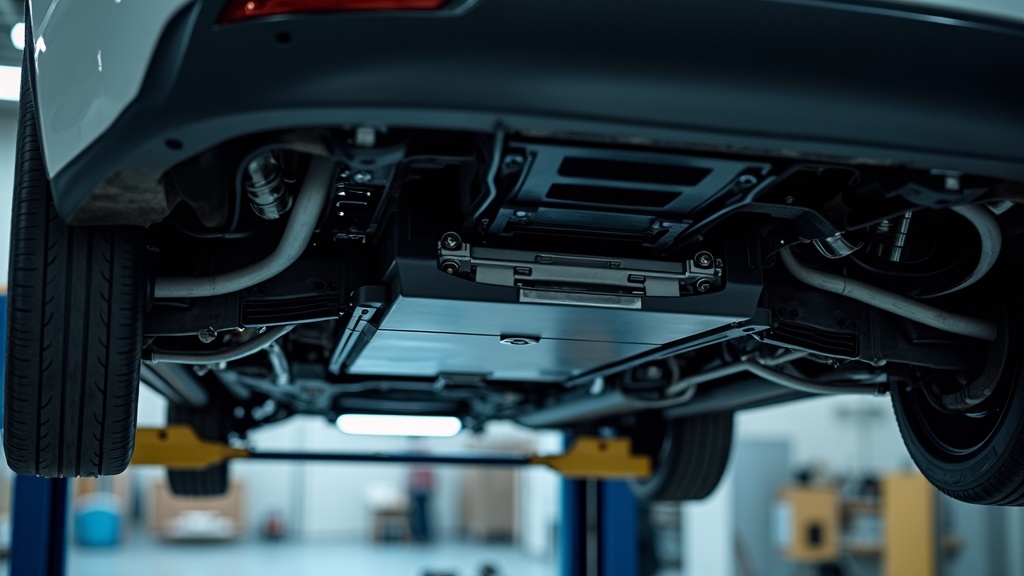
Inside a lithium-ion cell, charging and discharging involve lithium ions moving between electrodes through an electrolyte. Over thousands of cycles, small side reactions gradually consume some of the usable lithium and slightly change the electrode materials. This process, sometimes called calendar aging when it happens simply from the passage of time and cycle aging when it’s tied to charge/discharge cycles, is a known characteristic of the chemistry — not a manufacturing defect. Automakers design around it, which is why most EV batteries are engineered to retain a large majority of their original capacity well past typical ownership periods, though exact retention curves vary by manufacturer, pack design, and battery chemistry.
Two chemistry families dominate current EVs: nickel-based chemistries (like NMC or NCA) and lithium iron phosphate (LFP). They age somewhat differently — LFP packs are generally more tolerant of frequent full charges and tend to degrade more predictably, while nickel-based packs often benefit from avoiding routine charging to 100%. Neither is universally “better”; the tradeoffs involve energy density, cost, cold-weather performance, and longevity, and a vehicle’s owner manual is the right place to check which chemistry is fitted and what charging guidance the manufacturer gives for it.
Factors that influence degradation speed
- Heat exposure: Sustained high ambient temperatures, especially combined with fast charging or a battery pack that lacks active liquid cooling, tend to accelerate aging.
- State of charge habits: Keeping a battery at or near 100% for extended periods, or letting it sit near empty for long stretches, is generally considered harder on cell chemistry than staying in a moderate range day-to-day.
- Charging speed: Frequent DC fast charging generates more heat in the cells than slower Level 1 or Level 2 charging; occasional fast charging is normal, but charging strategy is one of the topics worth understanding via our overview of EV charging levels.
- Total mileage and cycle count: More cumulative energy through the pack generally means more cumulative aging, though this correlates loosely with age rather than perfectly.
- Battery management software: Manufacturers continuously refine how their software limits charge rates, manages temperature, and buffers usable capacity, and over-the-air updates can shift how degradation is measured or displayed without physically changing the cells.
How much range loss is normal
There’s no single number that applies to every vehicle, because pack chemistry, thermal management design, climate, and driving pattern all interact differently. What can be said generally is that degradation is typically front-loaded — a bit more capacity loss in the first year or two as the cells settle, then a slower, more linear decline afterward — and that most manufacturers back their battery packs with a warranty covering a defined period and mileage, plus a capacity floor below which they commit to repair or replacement. The specific warranty length, mileage cap, and capacity threshold differ by automaker and by region, and this is precisely the kind of figure that changes between model years, so the manufacturer’s current warranty documentation or a dealer is the reliable source, not a general estimate.
Independent tracking by owner communities and some research groups has generally observed that many modern EV batteries retain a large share of their original capacity after eight to ten years of typical use, but sample sizes, vehicle mix, and methodology vary, and this shouldn’t be read as a projection for any specific car. If you’re comparing a used EV’s history, ask about its battery health check results, its climate history, and its charging pattern rather than relying on mileage alone.
Reading a battery health report
Many manufacturers and third-party diagnostic tools can report an estimate of a pack’s remaining usable capacity, sometimes called state of health. This is typically expressed as a percentage of original capacity. When shopping for a used EV, a battery health report — where available — tells you more than odometer mileage alone, since two cars with identical mileage can have different degradation depending on where and how they were driven and charged. Ask a dealer or seller whether such a report exists and how recently it was generated, and treat any verbal assurance about “battery health” with the same scrutiny you’d apply to an odometer reading on a combustion car.
| Factor | Typical effect on range/degradation |
|---|---|
| Cold ambient temperature | Temporary range reduction (not permanent degradation) |
| Hot climate, especially with frequent fast charging | Can accelerate long-term capacity loss |
| Frequent charging to 100% and holding it there | May accelerate aging in some chemistries |
| Moderate, mixed-range daily charging | Generally considered gentler on the pack |
| High cumulative mileage / cycle count | Loosely correlated with more cumulative degradation |
What owners can actually influence
Owners don’t control battery chemistry or pack design, but charging behavior and where the car is parked or charged are within their control. Manufacturer guidance — found in the owner’s manual or the automaker’s official support pages — usually covers recommended charge limits for daily use, guidance on fast charging frequency, and any climate-specific advice. Because this guidance differs by brand, pack chemistry, and even model year, it’s worth checking the specific documentation for your vehicle rather than assuming advice for one EV applies to another. None of this is a guarantee against degradation; it simply describes the conditions under which packs are generally expected to age more slowly.
Home charging setup also interacts with this indirectly. A Level 2 home charger typically charges at a gentler rate than public DC fast charging, and understanding the practical differences between charging levels — covered in our piece on EV charging levels explained — can help frame why manufacturers often suggest fast charging as a supplement rather than a primary daily method.
How EV batteries compare to other clean energy storage
The degradation questions raised by EV batteries aren’t unique to cars. Similar lithium-ion aging dynamics apply to home battery storage systems paired with rooftop solar, and readers exploring a whole-home energy setup may find it useful to look at how solar panel output itself degrades over time in our article on solar panel efficiency and degradation, since the underlying idea — gradual, predictable capacity loss that manufacturers plan for and warranty against — shows up across clean energy hardware, not just vehicles. For readers weighing an EV alongside other home energy decisions, our Electric Vehicles hub and the broader Home Energy Efficiency archive cover related ground, from charging infrastructure to how efficiency upgrades interact with a home’s total electricity use.
Frequently asked questions about EV range and battery degradation
How much range do EV batteries lose per year?
There’s no fixed figure — it depends on chemistry, climate, and charging habits. Many owners report gradual, slow decline over years rather than sudden drops, but exact rates vary by manufacturer and vehicle, so checking a specific model’s warranty documentation or owner data is more reliable than a general average.
Does fast charging ruin an EV battery?
Occasional DC fast charging is a normal, designed-for use case and won’t “ruin” a battery on its own. Frequent, near-exclusive reliance on fast charging, especially in hot climates, is generally considered to add more thermal stress than routine slower charging, according to manufacturer guidance.
Is EV range lower in winter?
Yes, cold temperatures reduce usable range temporarily because battery chemistry is less efficient when cold and cabin heating draws power from the same battery. This is separate from permanent degradation and typically improves once temperatures rise again.
How do I check the battery health of a used EV?
Ask the seller or dealer whether a battery state-of-health report exists from the manufacturer or a diagnostic tool, and how recent it is. Combining that report with charging and climate history gives a clearer picture than mileage or age alone.
Are EV battery warranties different from the rest of the car’s warranty?
Yes, most manufacturers offer a separate battery warranty with its own duration, mileage limit, and capacity threshold, distinct from the general vehicle warranty. These terms differ by automaker and region and change over time, so confirming current terms directly with the manufacturer is the reliable approach.
Related reading
EV vs Hybrid vs Plug-In Hybrid: What Differs, How Public EV Charging Networks Actually Work.
The Cleaner Energy publishes general information about clean energy technology, not financial, tax, legal or engineering advice. We are writers and editors, not installers, contractors or financial advisers. Incentives, rebates, utility rates and equipment costs vary by location and change over time — confirm current figures with the official program administrator, your utility, or a licensed local professional before making a purchase or installation decision.