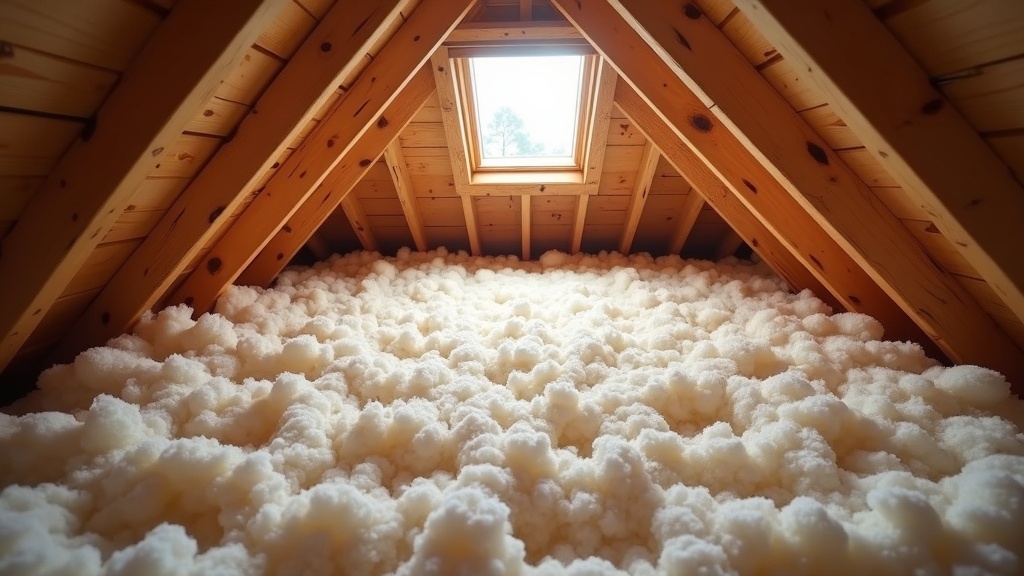
Insulation cuts energy use by slowing the movement of heat through a building’s walls, roof, and floor, so the furnace or air conditioner runs less to hold a set indoor temperature. The biggest gains typically come from areas with the most heat flow and the least existing insulation — usually attics, followed by air leaks, then walls and floors. How much difference it makes in any one home depends on climate, the home’s current condition, and how it’s built, which is why a walkthrough of the specific house matters more than a general rule.
How insulation actually works
Heat moves from warm to cool, always, through three mechanisms: conduction (through solid materials), convection (through moving air), and radiation (through open space, like sunlight through a window). Insulation mainly slows conduction and convection by trapping small pockets of air or gas that don’t transfer heat well. That’s why fluffy, low-density materials like fiberglass batts or blown cellulose work — the material itself matters less than the still air it holds in place.
This means insulation performance depends heavily on installation quality. A batt that’s compressed, gapped, or cut around a wire box loses a disproportionate share of its rated performance, because heat finds the path of least resistance. A wall that’s “insulated” on paper can still perform poorly in practice if the installation was rushed.
What R-value actually measures
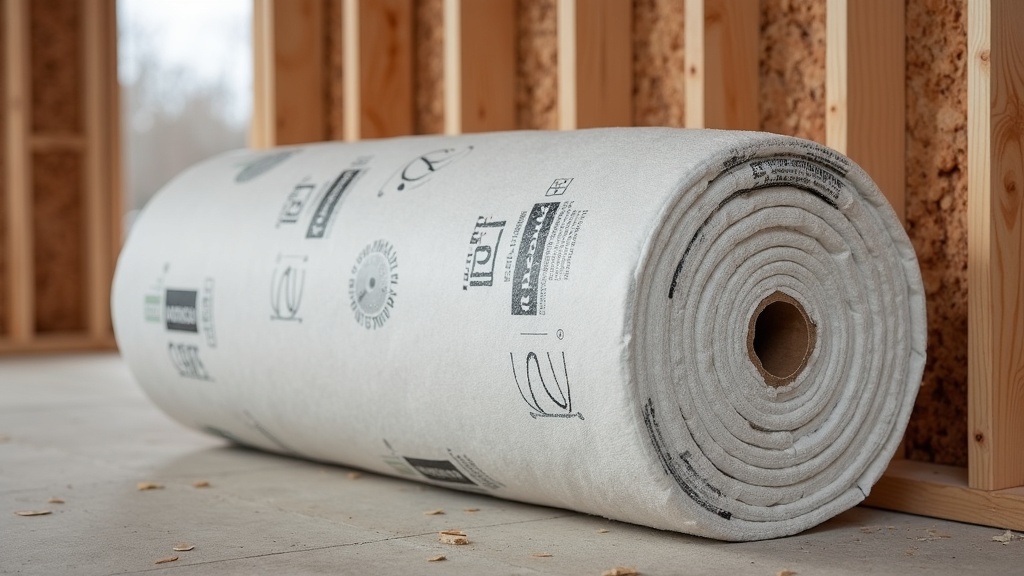
R-value is a measure of resistance to conductive heat flow — higher means slower heat transfer through that material. It’s useful for comparing products of the same type, but it doesn’t capture air leakage, moisture performance, or installation quality, all of which affect real-world results. A wall rated R-13 with significant air gaps around it can underperform a properly sealed R-13 wall by a wide margin. Government agencies like the U.S. Department of Energy publish recommended R-value ranges by climate zone, since a colder region generally benefits from higher resistance than a mild one — another reason a single national number doesn’t fit every home.
Where heat actually escapes
Not every part of a house loses heat at the same rate, and spending on the wrong area wastes money without meaningfully lowering bills. In most homes, the rough order of priority — though it varies by construction type, age, and climate — looks like this:
- Attics and roofs. Heat rises, and an under-insulated attic is often the single largest source of heat loss in winter and heat gain in summer.
- Air leaks. Gaps around windows, doors, plumbing penetrations, recessed lighting, and duct connections let conditioned air escape directly, independent of how much insulation is nearby.
- Walls. Exterior wall cavities matter, but they’re harder and more disruptive to retrofit than an open attic, especially in finished homes.
- Floors and basements/crawlspaces. Uninsulated floors over unheated spaces, and leaky rim joists, can be a meaningful loss point in colder climates.
- Windows and doors. These usually have the lowest resistance to heat flow of any building surface, but full replacement is a bigger, costlier project than insulation upgrades and involves its own tradeoffs.
This is also why a professional look at a specific house tends to outperform guesswork. A home energy audit typically includes a blower-door test and sometimes infrared imaging to find where a particular house is actually losing conditioned air, rather than assuming it matches a generic checklist.
Air sealing versus adding insulation
These are related but distinct jobs, and confusing them is a common source of disappointing results. Insulation slows heat conduction through a material; air sealing stops air (and the heat or moisture it carries) from moving through gaps and cracks. A house can be heavily insulated and still leaky, and in that case, adding more insulation without sealing air paths first tends to deliver diminishing results. Many efficiency programs and contractors address air sealing before or alongside insulation work for this reason — it’s generally considered the more cost-sensitive step to get right first, though the actual sequence and scope for any home is a question for whoever assesses it in person.
Common insulation materials, at a glance
| Material | Typical use | General notes |
|---|---|---|
| Fiberglass batts | Walls, attics, floors | Common and widely available; performance depends heavily on fit and compression |
| Blown cellulose | Attics, existing wall cavities | Made largely from recycled paper; good for filling irregular spaces |
| Spray foam | Rim joists, irregular gaps, some walls | Also air-seals as it expands; higher material cost, professional installation is typical |
| Rigid foam board | Basement walls, exterior sheathing | Higher resistance per inch; often used where space is limited |
| Mineral wool | Walls, attics | Fire- and moisture-resistant properties in addition to thermal performance |
Diminishing returns and the limits of “more”
Insulation doesn’t produce savings in a straight line. Going from little or no insulation to a moderate amount typically has the largest relative effect, because it closes the biggest gap. Going from an already well-insulated level to an even higher one adds resistance, but each additional inch matters less than the one before it, since the house is already retaining most of the heat it’s going to retain. This is a basic property of how R-value adds up, not a claim about dollars — actual costs, material prices, and any available incentives vary too much by location and household to state a single figure, and any program or contractor claiming an exact break-even timeline is making an assumption on your behalf that you should ask them to explain.
Moisture and ventilation also need to be part of the conversation, not an afterthought. Tightening a house without accounting for ventilation can create indoor air quality or moisture issues, especially in older homes without a vapor control strategy. This is a genuine engineering consideration, and it’s one reason insulation upgrades — beyond simple attic top-ups — are generally discussed with someone qualified to assess the specific building, rather than treated as a one-size-fits-all product purchase.
Incentives, and why the details differ everywhere
Insulation and air sealing upgrades are commonly eligible for utility rebates, state or provincial programs, or federal tax provisions in various countries, but the qualifying materials, required documentation, and dollar or percentage figures change by jurisdiction and change over time as programs are renewed, modified, or expire. The ENERGY STAR program and the U.S. Department of Energy publish general guidance on efficiency upgrades, but the only reliable source for current, local terms is the specific program administrator or your utility. Treat any number you see elsewhere, including here, as something to verify before making a decision.
Homes that are already well-sealed and insulated also tend to get more predictable results from other upgrades — a smaller, more consistent heating and cooling load makes it easier to size a heat pump or, for homes considering solar, to estimate how much of that reduced load an array might offset. If you’re weighing insulation alongside other upgrades, the home energy efficiency section covers related topics, and the solar energy archive explains how systems that generate power interact with a home’s overall demand, including the basics covered in how solar panels actually work.
Frequently asked questions about insulation basics
What insulation makes the biggest difference in a house?
For most homes, an under-insulated attic combined with unsealed air leaks accounts for the largest share of heat loss or gain, so those two areas are usually assessed first. The actual priority order depends on the home’s age, construction, and climate, which a proper inspection can identify.
Is it worth adding more insulation to an already insulated attic?
It depends on the current level relative to recommended ranges for your climate zone and whether air sealing has already been addressed. Additional insulation on top of an already well-insulated attic tends to add less benefit than the first layers did, due to how thermal resistance accumulates.
Does insulation help with cooling, not just heating?
Yes — insulation slows heat transfer in both directions, so it can reduce heat gain in summer as well as heat loss in winter. Attics are a common focus for cooling performance too, since roof surfaces absorb significant solar heat that then radiates downward into living space.
Should I air seal or insulate first?
Many efficiency professionals address air sealing before or alongside insulation, since adding insulation over unsealed leaks tends to underperform. The right sequence for a given house is something an energy auditor or qualified contractor can assess directly rather than a fixed rule.
How do I find out what insulation rebates are available in my area?
Rebate and incentive programs are run by utilities, states, provinces, or national agencies, and eligibility and amounts change over time. Checking directly with your utility or the official program administrator is the only way to get current, accurate terms rather than relying on a general estimate.
Related reading
Heat Pumps vs Traditional HVAC Systems, Weatherproofing Your Home for Winter.
The Cleaner Energy publishes general information about clean energy technology, not financial, tax, legal or engineering advice. We are writers and editors, not installers, contractors or financial advisers. Incentives, rebates, utility rates and equipment costs vary by location and change over time — confirm current figures with the official program administrator, your utility, or a licensed local professional before making a purchase or installation decision.