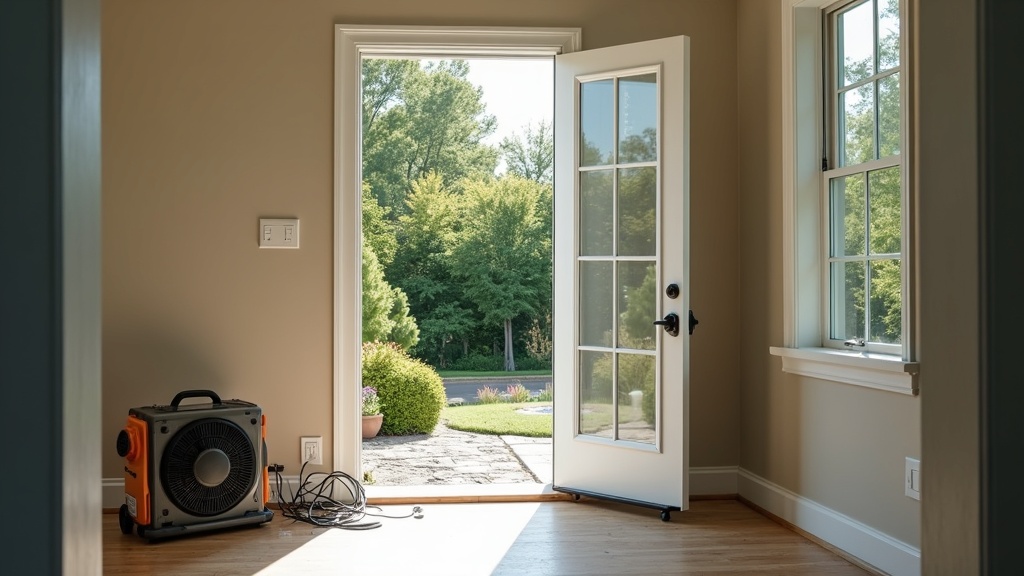
A home energy audit is a structured inspection of how a house uses and loses energy, usually performed by a trained auditor using tools like a blower door, an infrared camera, and combustion safety testers. The auditor measures air leakage, checks insulation levels, inspects heating and cooling equipment, and reviews utility bills, then delivers a written report ranking which improvements would likely matter most. It typically takes two to four hours for an average house and produces a prioritized list rather than a single fix.
Why audits exist as a distinct step
Most homes lose energy in ways that aren’t visible from a casual walk-through — air leaking around a rim joist, insulation that’s settled or was never installed correctly, a furnace short-cycling because of duct problems. An audit exists to find those specific issues in a specific house, rather than applying a generic checklist. This matters because the same recommendation — say, adding attic insulation — can be the right call in one home and nearly pointless in another if the real problem is air leakage that insulation alone won’t fix.
Audits are also often a prerequisite, not just a suggestion. Many utility rebate programs, weatherization assistance programs, and some financing options require a qualifying audit before they’ll approve funding, because the program needs documented proof of the “before” condition. Whether that applies to a given household’s utility or state program is something only the program administrator can confirm.
Before the auditor arrives
A reputable auditor usually asks for some paperwork in advance: twelve months of utility bills (electric and gas, if applicable), the age of major systems like the furnace, water heater, and air conditioner, and any known problem areas — a room that’s always cold, ice damming on the roof, condensation on windows. This history matters because energy use patterns across a full year, including a hot and a cold month, tell the auditor more than a single snapshot visit ever could.
It’s reasonable to ask an auditor beforehand what standard or certification they work under — in the U.S., that’s often something tied to the Building Performance Institute or a state weatherization program — and what the report will include. This is the same instinct worth applying to any contractor conversation, similar in spirit to the kinds of questions worth asking before signing with a solar installer.
The walk-through and the tools
The visit generally starts with a conversation about comfort complaints and a visual walk-through of the attic, basement or crawlspace, and mechanical room. From there, most audits include some combination of:
- Blower door test: a calibrated fan is mounted in an exterior doorway and depressurizes the house, allowing the auditor to measure total air leakage and use a smoke pencil or their hand to locate specific leak points.
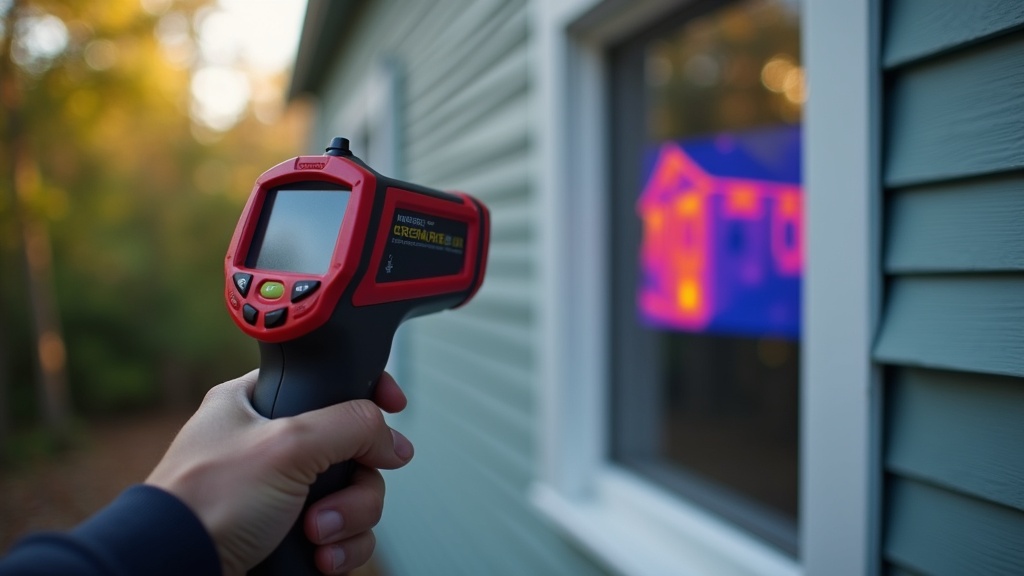
- Infrared thermal imaging: a camera reads surface temperature differences on walls, ceilings, and around windows, which can reveal missing or compressed insulation and air leaks that aren’t visible to the eye.
- Combustion safety testing: for homes with gas or oil appliances, the auditor checks that furnaces, water heaters, and any fireplaces are venting properly and not backdrafting carbon monoxide into the house, especially important once the home is made tighter.
- Duct testing: a separate pressurization test measures how much conditioned air is leaking out of ductwork before it reaches the rooms it’s meant to heat or cool.
- Insulation and equipment inspection: visual and sometimes probe checks of attic, wall, and floor insulation levels, plus the age, size, and condition of HVAC equipment and appliances.
None of these tools alone tells the whole story — a blower door test shows how leaky the house is overall, but the infrared camera and smoke pencil are what locate where the air is actually moving.
What the report actually contains
A useful audit report is more than a pass/fail grade. It typically includes measured air leakage numbers, a summary of insulation levels by area of the house, notes on equipment condition and any safety issues found (a failed combustion safety test is usually flagged as urgent, separate from efficiency recommendations), and a prioritized list of potential improvements. Some reports also model estimated energy use before and after specific upgrades using standardized software, though how accurately that models a real household’s future bills depends heavily on occupant behavior and local utility rates — which is exactly why this site won’t attach dollar figures to those projections.
Good reports separate recommendations into rough tiers: health-and-safety issues that need attention regardless of energy savings, low-cost sealing and insulation work, and larger equipment or envelope decisions that warrant more research. That structure is meant to help a homeowner sequence decisions rather than tackle everything at once.
| Audit component | What it measures | Typical output |
|---|---|---|
| Blower door test | Total household air leakage | Air changes per hour figure |
| Infrared scan | Surface temperature anomalies | Images flagging leak/gap locations |
| Combustion safety test | Appliance venting and CO risk | Pass/fail with any required follow-up |
| Duct test | Duct system air leakage | Percentage of conditioned air lost |
| Bill/history review | Seasonal usage patterns | Context for where losses are occurring |
Where an audit fits alongside other decisions
An energy audit is fundamentally about the building envelope and mechanical systems — it’s not a solar site assessment, though the two are related. Reducing a home’s overall electricity and gas demand before or alongside evaluating solar energy options can change the sizing of a system a homeowner might later consider, since a smaller, more efficient load may call for a smaller array. Understanding how solar panels actually work and how rooftop vs. ground-mount solar options differ is a separate conversation from the audit itself, but the two often come up in the same renovation planning process. Homeowners without a good roof orientation or without the ability to install panels at all sometimes look at community solar as an alternative path to some of the same benefits.
Audits also sometimes surface information relevant to backup power planning, wind aside — for households in rural areas curious whether a small residential wind turbine could be practical, an auditor’s load data can be a useful starting point, though wind resource assessment is a separate specialty from a home energy audit.
Costs, rebates, and finding an auditor
Audit costs vary by region, by how detailed the testing is, and by whether a utility or government program subsidizes part or all of the fee. Some utilities offer free or heavily discounted audits as part of efficiency programs; others charge a fee that may later be credited if the homeowner proceeds with recommended work through an approved contractor. Because these arrangements differ by utility territory and change over time, the utility itself or a state energy office is the reliable source to confirm what’s currently offered, rather than any generalized figure. The U.S. Department of Energy and ENERGY STAR both maintain general guidance on what audits involve and how to find qualified providers, and checking a state’s listing on the Database of State Incentives for Renewables and Efficiency (DSIRE) can clarify what rebate or audit-related programs currently apply in a given location.
Frequently asked questions about home energy audits
How long does a home energy audit take?
A typical residential audit takes roughly two to four hours on-site, depending on the size of the house and how many diagnostic tests are performed. Larger or older homes with more complex mechanical systems can take longer, and the auditor may need follow-up time to prepare the written report afterward.
Do I need to do anything to prepare for an energy audit?
Gathering a year of utility bills, noting rooms with comfort complaints, and making sure the attic, basement, and mechanical areas are accessible all help. Some auditors also ask homeowners to avoid running certain appliances right before the visit so combustion and pressure tests aren’t skewed by recent activity.
Is a home energy audit worth the cost?
Whether it’s worth it depends on the household’s goals, the home’s age and condition, and whether local rebate programs offset the fee. Rather than a blanket answer, it’s worth checking with the utility or program administrator what subsidies currently apply and treating the audit as a diagnostic step rather than a project by itself.
What’s the difference between a blower door test and a home energy audit?
A blower door test is one diagnostic tool used within a full energy audit; it measures how much air leaks through the building envelope. The full audit combines that test with insulation checks, combustion safety testing, equipment review, and utility bill analysis into one comprehensive report.
Will an energy audit tell me if solar panels make sense for my house?
Not directly — an audit focuses on reducing energy demand and checking building and system health, while a separate solar site assessment evaluates roof condition, orientation, shading, and electrical capacity. The two assessments complement each other but are performed differently and often by different specialists.
The Cleaner Energy publishes general information about clean energy technology, not financial, tax, legal or engineering advice. We are writers and editors, not installers, contractors or financial advisers. Incentives, rebates, utility rates and equipment costs vary by location and change over time — confirm current figures with the official program administrator, your utility, or a licensed local professional before making a purchase or installation decision.