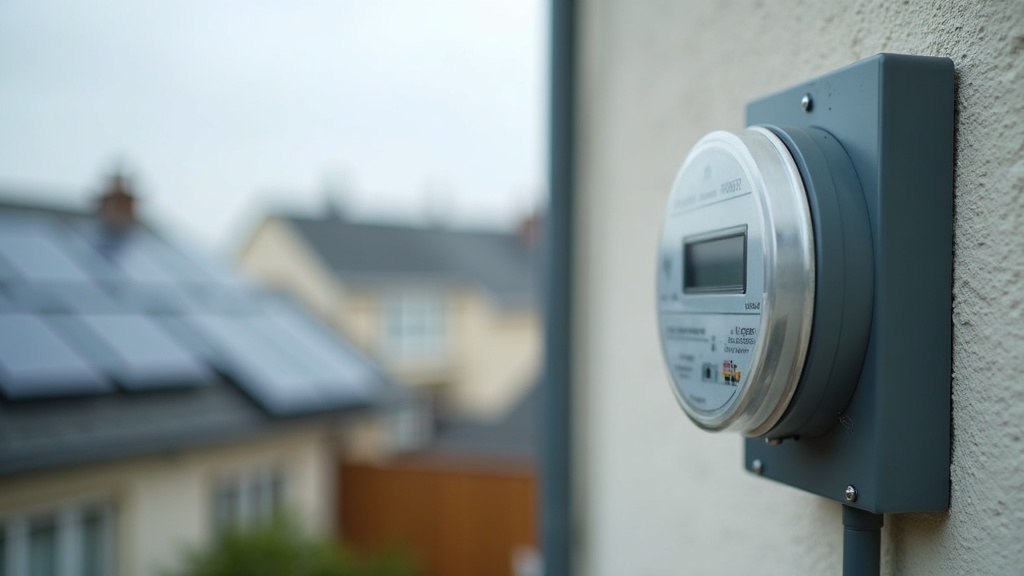
Utility interconnection is the formal process by which a home solar system gets reviewed, approved, and legally connected to the electric grid. It exists so the utility can confirm the system won’t create safety hazards or technical problems on its lines, and it typically ends with a document called permission to operate, which is what actually allows the system to be turned on and start offsetting your electricity use. Until that approval arrives, a fully installed solar system generally cannot legally operate in most U.S. utility territories.
This step often surprises people who assume that once panels are on the roof and the inverter is wired up, they’re producing power. In practice, interconnection is a separate administrative and technical process that runs alongside — and sometimes after — physical installation, and it’s governed by the utility, not by the installer.
What “interconnection” actually means
Every home solar system that ties into the public grid needs the utility’s consent to do so, because the utility is legally responsible for the safety and stability of its distribution network. Interconnection is the paperwork, technical review, and physical inspection sequence that gives that consent. It covers questions like: Can this circuit handle the added generation? Does the equipment meet the utility’s safety standards? Is there a way to shut the system off remotely if utility crews need to work on the line?
The specifics of this process — required forms, review timelines, fees, and technical thresholds — are set by each utility and, in many places, by state or provincial regulators. A homeowner in one utility territory may see approval in a couple of weeks; a homeowner in another may wait considerably longer, especially if the local grid infrastructure in that area is older or more heavily loaded. This is one of the clearest examples of how solar rules vary by location rather than following one national standard.
The typical steps in an interconnection application
While exact procedures differ by utility, most residential interconnection processes follow a similar general shape:
- Application submission — usually filed by the installer on the homeowner’s behalf, describing the system size, equipment, and site details.
- Technical review — the utility checks whether the local transformer, circuit, and equipment can accommodate the system, particularly for larger installations.
- Agreement signing — the homeowner (or installer, with authorization) signs an interconnection agreement outlining responsibilities and safety requirements.
- Installation and inspection — local electrical inspection confirms the system was installed to code, separate from the utility’s own review.
- Meter work — the utility may need to install or reprogram a meter capable of tracking energy flowing in both directions.
- Permission to operate — the utility issues final sign-off, after which the system can legally be switched on.
Some utilities use a streamlined, expedited path for smaller systems that meet standard technical criteria, while larger or more complex systems may go through a more detailed engineering study. Whether your project qualifies for the fast track is something only the utility can confirm.
Why utilities require this review
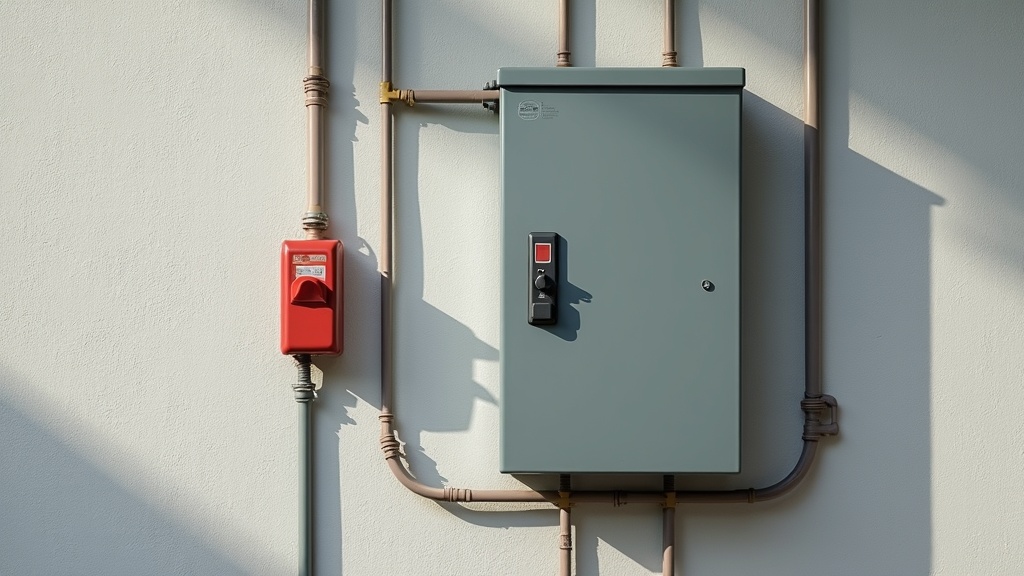
A home solar system doesn’t just consume electricity — it injects electricity back onto a circuit that was originally designed with one-directional power flow in mind. Utilities check for things like voltage regulation, protection settings, and whether a circuit already has enough other solar systems attached to it that adding another could cause instability. They also require a mechanism, often an external disconnect switch, that lets utility workers isolate a home’s solar system during grid maintenance or outages, which matters for their safety as much as for grid reliability.
This is also where the technical side of solar connects to how solar panels actually work — a home system produces direct current that an inverter converts to the alternating current the grid uses, and the interconnection review confirms that conversion and its safety protections meet local standards.
Interconnection, net metering, and incentives are related but different things
It’s easy to conflate interconnection with net metering, but they answer different questions. Interconnection asks whether and how a system can safely connect to the grid. Net metering, covered in more detail in our explainer on how net metering works, determines how a homeowner is credited for solar electricity sent back to the grid. A system can be interconnected without a favorable net metering arrangement, and the compensation structure a household ends up with depends entirely on the utility’s tariff and state or provincial policy.
Interconnection timing can also affect incentive eligibility. Some programs, discussed generally in our overview of how solar tax credits and rebates work, tie eligibility to the date a system receives permission to operate rather than the date it was installed. That makes the interconnection timeline more than a bureaucratic detail — it can determine which program year or rule set applies to a given household, which is a detail worth confirming directly with the incentive administrator.
What can slow down or complicate interconnection
A few recurring factors show up across utility territories:
- Circuit capacity limits. If a neighborhood circuit already has significant solar or other distributed generation attached, a new system may trigger a more detailed engineering study before approval.
- System size relative to service. Larger systems, or those paired with a home battery storage setup that can export power, sometimes face additional review because export patterns are harder to predict than straightforward consumption.
- Paperwork and equipment listings. Utilities generally require equipment that’s certified to recognized safety standards; using unlisted or unusual equipment can add delay.
- Utility staffing and backlog. In areas with high solar adoption, the review queue itself can be the bottleneck rather than any technical issue with a specific application.
- Meter upgrades. Older meters sometimes need to be swapped for ones capable of tracking two-way flow, adding a scheduling step outside the homeowner’s control.
Because these variables are so utility-specific, it’s reasonable to ask upfront how long interconnection typically takes in your area and what could extend it — a question worth raising alongside the others in our list of questions to ask a solar installer before you sign.
Where interconnection fits in the bigger picture
Interconnection is one piece of a larger sequence that includes permitting, installation, inspection, and — for many households — decisions about incentives and financing. It’s also relevant if you’re considering battery backup, since a battery that can export power to the grid may be treated differently in interconnection review than a battery configured only to power a home during an outage, a distinction explored in our piece on what a home battery backup actually covers in an outage. For a broader look at how solar projects come together end to end, the solar energy section of the site covers the technology, economics, and policy pieces in more depth.
Frequently asked questions about utility interconnection for home solar
How long does utility interconnection take for home solar?
Timelines vary widely by utility, system size, and local grid conditions — anywhere from a couple of weeks to several months is possible. The only reliable way to estimate your timeline is to ask your specific utility or your installer what recent applications in your area have experienced.
Can my solar system turn on before interconnection is approved?
In most utility territories, no — operating a grid-tied system before receiving permission to operate is generally against utility rules and can affect warranty or incentive eligibility. Confirm the exact requirement with your utility, since enforcement and rules differ by location.
Who submits the interconnection application, me or the installer?
Installers commonly handle the application on the homeowner’s behalf, but the homeowner is usually still a party to the interconnection agreement and responsible for understanding its terms. Ask who is filing what, and get a copy of anything you’re asked to sign.
Does interconnection cost extra money?
Some utilities charge application or study fees, particularly for larger systems requiring detailed engineering review; others fold this into standard processing. Fee structures are set by the individual utility, so ask directly rather than assuming a figure quoted elsewhere applies to you.
Does adding a home battery change the interconnection process?
It can. Utilities may review batteries differently depending on whether the system is configured to export stored energy to the grid or only to back up the home during outages, so this is worth clarifying early with both your installer and your utility.
The Cleaner Energy publishes general information about clean energy technology, not financial, tax, legal or engineering advice. We are writers and editors, not installers, contractors or financial advisers. Incentives, rebates, utility rates and equipment costs vary by location and change over time — confirm current figures with the official program administrator, your utility, or a licensed local professional before making a purchase or installation decision.