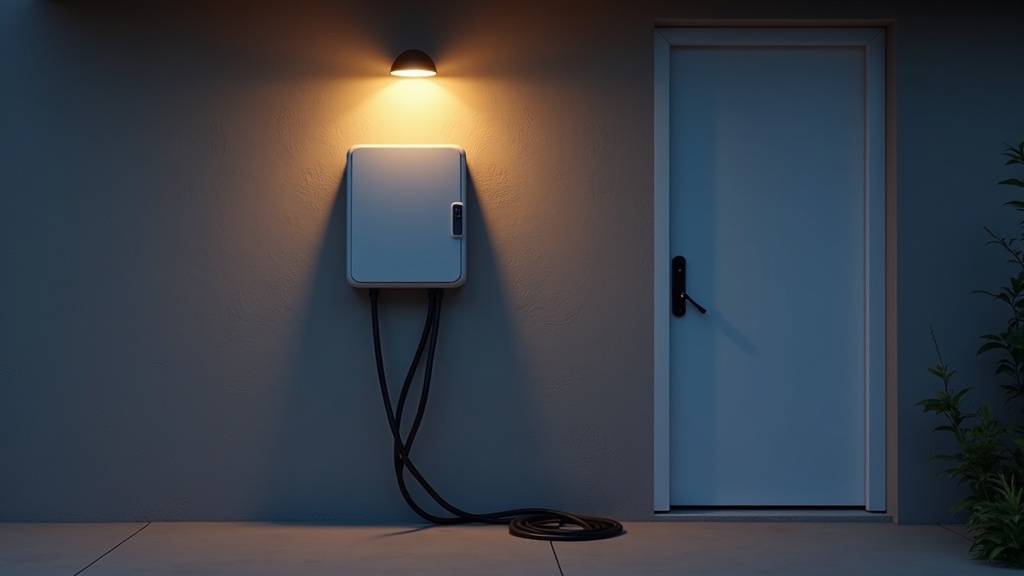
Installing a home EV charger generally involves three things: choosing a charger type, confirming your home’s electrical panel has enough spare capacity (or upgrading it), and having a licensed electrician run a dedicated circuit and mount the unit, often followed by a local permit and inspection. The exact requirements, costs, and available incentives vary significantly by location, utility, and the age of your home’s wiring, so this article explains the general process rather than a fixed price or timeline.
What “home EV charging” actually means
Most home charging setups fall into one of two categories: a standard household outlet used with the cord that comes with the vehicle, or a dedicated wall-mounted unit wired directly into the panel. The difference between these is largely about charging speed and convenience, not a different kind of electricity. If you haven’t already, it’s worth understanding the distinction between charging levels before deciding what you actually need — the mechanics of Level 1, Level 2, and DC fast charging are covered in our EV charging levels explained guide, and that context makes the rest of this decision much easier to follow.
For most households, a Level 2 home charger is the setup people mean when they say “installing a home EV charger.” It requires a 240-volt circuit, similar in concept to what powers an electric dryer or oven, rather than the standard 120-volt outlet used for lamps and small appliances.
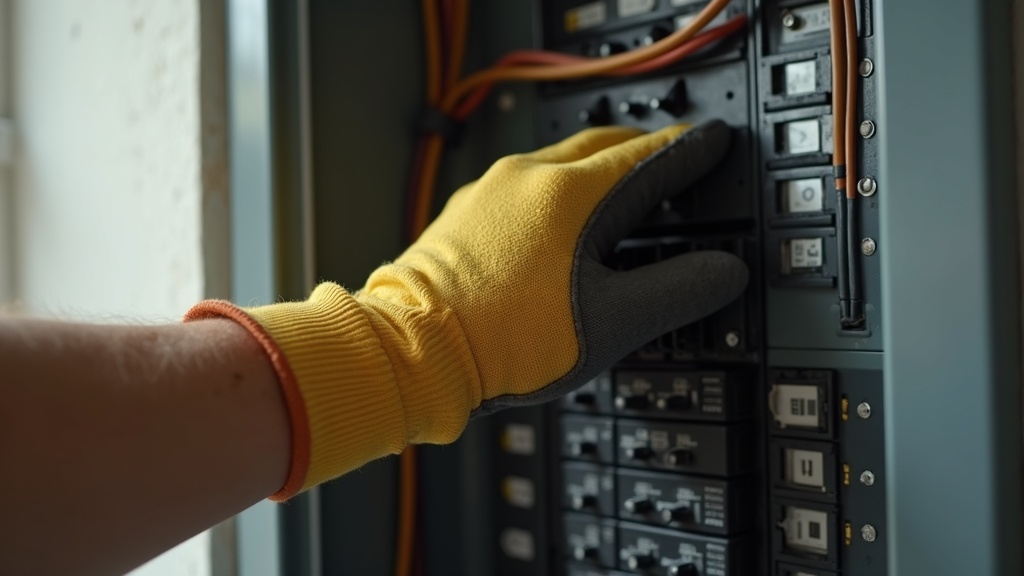
The electrical panel is the real starting point
Before anyone talks about charger models or mounting locations, the question that actually determines feasibility is whether your home’s electrical panel has enough available capacity for a new 240-volt circuit. Panels have a maximum rated capacity, and every circuit already in use — HVAC, water heater, kitchen appliances, and so on — draws down what’s left.
An electrician typically assesses this with a load calculation, which accounts for the home’s existing electrical demand against the panel’s rated capacity. Three outcomes are common:
- Sufficient capacity exists — a new circuit can be added without other changes.
- Capacity is tight — a load management device or a smaller-amperage charger may allow installation without a panel upgrade.
- Capacity is insufficient — the panel itself needs to be upgraded to a higher-rated service, which is a larger electrical project.
Homes with older or smaller electrical services, or homes that have already added other high-draw equipment such as a heat pump or an electric water heater, are more likely to need a panel upgrade. This is genuinely a case-by-case electrical question, and it’s one only a licensed electrician can answer for your specific home after inspecting the panel and wiring.
Hardwired versus plug-in chargers
Level 2 home chargers are typically installed either hardwired directly into the circuit or connected through a dedicated high-amperage outlet (commonly a NEMA 14-50 in North America) that the charger plugs into. Hardwired units generally can’t be unplugged or easily moved, while plug-in units offer more flexibility if you ever want to relocate the charger, take it with you when you move, or swap it for a different model. Local electrical code, the specific charger, and the installer’s assessment of your setup will determine which approach applies to your home — this is a decision to make with the electrician doing the work, not a general rule.
Where the charger goes
Placement affects both the installation cost and everyday convenience. Considerations typically include:
- Distance from the panel — longer wire runs generally cost more and may involve more complex routing through walls, ceilings, or conduit outside the home.
- Indoor versus outdoor mounting — outdoor installations need weather-rated equipment and enclosures suited to your climate.
- Where the vehicle actually parks — the charging cable has a fixed length, so the mounting point needs to reach the charging port comfortably in the spot the car is normally parked.
- Future flexibility — some households plan for a second vehicle or a different parking arrangement down the line, which can influence where conduit or extra capacity is planned even if it isn’t used immediately.
Permits and inspection
In most jurisdictions, adding a new dedicated circuit at this amperage requires an electrical permit, and the completed work is typically inspected by the local authority having jurisdiction before it’s considered code-compliant. Permit requirements, inspection timelines, and fees differ by city, county, and utility territory — some areas also require a separate utility notification or approval before or after installation, particularly if the added load is significant relative to the home’s service. None of this is optional paperwork to skip; it exists to confirm the wiring is safe for continuous, high-current use, which a home EV charger draws for hours at a time.
Incentives and rebates: what to check, not what to expect
Various incentive programs exist for home EV charger installation and, in some regions, for related panel upgrades — these can include utility rebates, state or provincial programs, or federal tax credits depending on where you live. What each program covers, how much it’s worth, whether it applies to hardware only or hardware plus labor, and whether it’s currently active all change over time and vary by location. The only reliable way to know what applies to your situation is to check directly with your utility, your state or provincial energy office, or an official incentive database, and to confirm details with a licensed local professional before you commit to a specific installation plan.
How this fits with solar and battery plans
If you’re also considering rooftop solar, a home battery, or you already have either, a home EV charger installation is worth planning alongside those systems rather than as a separate afterthought. The electrical capacity questions overlap: a panel that’s being sized for solar and battery equipment may also need to account for EV charging load, and vice versa. Anyone in this position benefits from asking a broader set of questions before signing any contract — our guide on what to ask a solar installer before you sign covers many of the same panel-capacity and permitting themes from the solar side, and browsing the solar energy and electric vehicles archives can help you compare how each technology approaches home electrical planning.
Efficiency angle: it’s not just about the charger
Because a Level 2 charger draws meaningfully more power than most household appliances, some homeowners use the process of adding one as a prompt to look at their home’s broader electrical and energy picture — for instance, whether existing insulation and HVAC efficiency are adding unnecessary load elsewhere in the home. If you’re already having an electrician assess your panel, it can be a reasonable time to also ask what a broader home energy audit would reveal, or to look at insulation basics and how they interact with heating and cooling demand on the same electrical service.
Questions worth asking before you commit
- What is the home’s current panel capacity, and how much of it is already committed?
- Will this installation require a panel upgrade, and if so, what does that involve?
- Is a permit required in this jurisdiction, and does the quote include it?
- Hardwired or plug-in — and why does that recommendation fit this specific home?
- Does the utility require notification, and are there time-of-use rates or demand charges that could affect when charging makes sense?
- What incentive programs currently exist for this work, and where can their current terms be confirmed?
Frequently asked questions about home EV charger installation
Do I need an electrician to install a home EV charger?
For a Level 2 charger wired into a dedicated 240-volt circuit, licensed electrical work is generally required by code in most jurisdictions, both for safety and to pass the inspection that many permitting authorities mandate for this type of installation.
How much electrical capacity does an EV charger need?
It depends on the charger’s amperage rating and everything else already drawing power from the same panel; an electrician determines this with a load calculation specific to your home’s wiring, existing appliances, and the panel’s rated capacity.
Can I just plug my EV into a regular outlet?
Yes, using the portable cord most EVs include with a standard household outlet, though this is the slowest charging method and is generally treated as a backup rather than a primary daily-charging setup for most drivers.
Will installing an EV charger require a panel upgrade?
Sometimes — it depends on your home’s existing electrical service size and how much capacity is already used by other appliances and systems; only an on-site assessment by a licensed electrician can determine this for your specific home.
Are there rebates for home EV charger installation?
Various utility, state, provincial, or federal programs may offer incentives for chargers or related electrical work, but availability and value change over time and by location — check current terms directly with your utility or the official program administrator.
The Cleaner Energy publishes general information about clean energy technology, not financial, tax, legal or engineering advice. We are writers and editors, not installers, contractors or financial advisers. Incentives, rebates, utility rates and equipment costs vary by location and change over time — confirm current figures with the official program administrator, your utility, or a licensed local professional before making a purchase or installation decision.