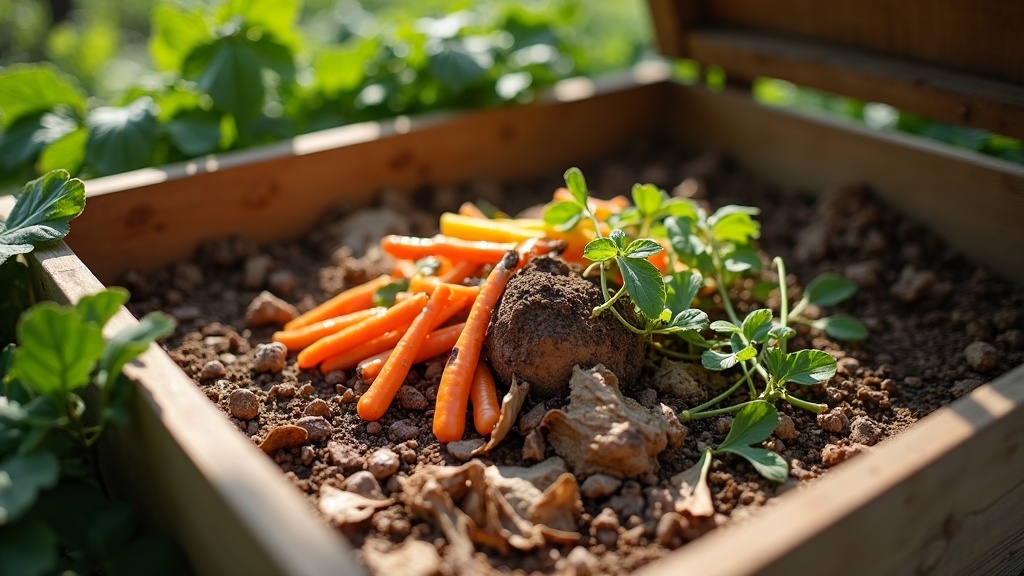
Composting is the controlled decomposition of food scraps, yard trimmings, and other organic material into a dark, crumbly soil amendment. For a beginner, it comes down to three things: mixing “green” nitrogen-rich material with “brown” carbon-rich material, keeping the pile damp but not soggy, and giving it enough air. Get those three roughly right and the microbes, fungi, and worms already living in your soil and scraps do the rest.
What composting actually is
Compost isn’t manufactured — it’s grown by billions of bacteria, fungi, and small invertebrates that feed on organic matter and break it into simpler compounds. As they work, they generate heat, which is why an active pile can feel noticeably warm even in cool weather. The end product is humus: stable organic matter that improves soil structure, helps it hold water, and feeds the soil’s own biology. This is a different process from what happens to organic waste in a landfill, where material is compacted and starved of oxygen and instead breaks down anaerobically, producing methane.
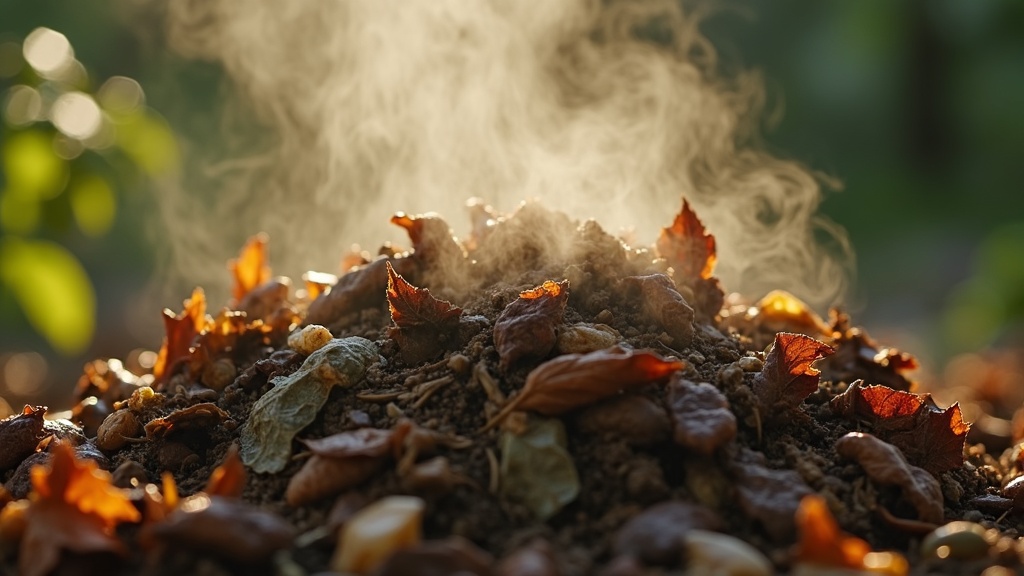
Greens and browns: the core ratio
Every composting method rests on the same balance between two categories of material.
- Greens (nitrogen-rich): vegetable and fruit scraps, coffee grounds, tea bags, fresh grass clippings, plant trimmings.
- Browns (carbon-rich): dry leaves, straw, shredded cardboard and paper, wood chips, sawdust from untreated wood.
A pile that’s mostly greens turns slimy and smells like ammonia or rotten eggs. A pile that’s mostly browns barely breaks down at all. Most home composters aim for noticeably more browns than greens by volume — a common starting point is layering a thin layer of scraps with a thicker layer of dry leaves or shredded paper each time you add material, then adjusting based on smell and texture rather than following an exact formula, since moisture content and material type vary too much for one fixed ratio to hold everywhere.
Moisture and air: the two variables to watch
The pile should feel about as damp as a wrung-out sponge. Too dry and decomposition slows to a crawl; too wet and it goes anaerobic, which is the source of most bad smells. Turning the pile with a fork or spinning a tumbler introduces oxygen and redistributes moisture and heat, which speeds the process and helps it finish more evenly. How often to turn depends on the method — some systems are designed to need almost no turning at all.
Choosing a method
Open or enclosed bin pile
A simple enclosed bin — wood, wire mesh, or a manufactured plastic unit — sits directly on soil so worms and organisms can migrate in. It’s low-cost to build and forgiving of imperfect ratios, but it’s slower and needs occasional turning.
Tumbler
A rotating drum makes turning easy and can produce finished compost faster than a static pile because it’s simpler to keep aerated and consistently moist. It holds less volume than an open bin and doesn’t get direct contact with soil organisms, so some gardeners add a scoop of finished compost or garden soil to introduce microbes.
Vermicomposting (worm bins)
A shallow bin of red wiggler worms processes food scraps indoors or in a garage, which suits apartments, small yards, or cold climates where an outdoor pile slows to a near-stop in winter. It needs a stable, moderate temperature and careful attention to moisture, since the worms themselves can die off if conditions swing too far.
Municipal or curbside collection
Many cities and counties now collect food scraps and yard waste alongside regular trash or recycling and process it at an industrial facility, where higher, sustained temperatures allow the program to accept some materials — meat, dairy, compostable packaging — that home systems typically can’t handle well. Availability, accepted materials, and container rules differ by municipality, so checking with the local waste authority is the only reliable way to know what applies where you live.
What to compost — and what to leave out
| Generally fine | Generally avoid at home |
|---|---|
| Fruit and vegetable scraps | Meat, fish, bones |
| Coffee grounds and filters, tea bags | Dairy products |
| Eggshells (crushed) | Oils and fats |
| Dry leaves, straw, plain cardboard | Pet waste from carnivores |
| Grass clippings (untreated lawns) | Diseased plants, invasive weed seeds |
| Wood ash in small amounts | Glossy or coated paper, plastic-lined “compostable” cups |
The “avoid” column isn’t a hard rule everywhere — some enclosed hot-composting systems and most municipal programs can handle meat and dairy because they sustain higher temperatures than a typical backyard bin. If you’re unsure whether something belongs in your particular setup, that’s a question for the program’s own guidelines or an experienced local composter rather than a generic list.
Common beginner problems
- Bad smell: usually too wet or too many greens. Add dry browns and turn the pile to reintroduce air.
- Pile isn’t heating up: often too dry, too small, or too low in nitrogen. Add water, add greens, or add bulk material.
- Pests (rodents, flies): often caused by exposed food scraps. Bury fresh additions under a layer of browns and consider an enclosed bin rather than an open pile if this keeps happening.
- Pile stays wet and soggy: add more dry, absorbent browns like shredded cardboard and improve drainage or airflow.
None of these problems mean composting has “failed” — they’re the normal feedback signals of an active biological process, and most are corrected within a turn or two.
How composting fits into a broader household routine
Composting sits alongside other everyday habits — reducing food waste, cutting single-use packaging, growing some of your own food — that fall under the wider umbrella of sustainable living, and readers exploring that territory more broadly can browse the site’s sustainable living coverage for related topics. It’s a separate track from home energy work, but the two often get tackled together: a household going through a home energy audit or looking at ways to cut home energy use without new equipment is frequently the same household starting a compost bin the same season. If efficiency is the entry point for you, the site’s home energy efficiency section and articles on insulation basics and weatherproofing a home for winter cover that side of the house separately from what happens in the yard.
Frequently asked questions about composting basics for beginners
How long does it take for compost to be ready?
It depends heavily on method, pile size, temperature, and how often it’s turned — a tumbler kept warm and aerated can finish faster than a static backyard pile, and cold winter weather slows everything down. Compost is ready when it’s dark, crumbly, and no longer smells like the original scraps.
Can I compost in an apartment with no yard?
Yes — vermicomposting with a worm bin works indoors in a small footprint, and many cities offer curbside or drop-off collection for households without outdoor space. Check what your specific building and municipality allow before choosing a method.
Do I need to add worms or starter mix to a new compost pile?
Not usually. Soil, food scraps, and yard waste already carry the bacteria and fungi needed to start decomposition, and worms tend to migrate in on their own if the pile sits on bare ground. Purchased starter mixes or worms can speed things along but aren’t required.
Why does my compost pile smell bad?
A strong ammonia or rotten smell almost always means too much wet, nitrogen-rich material and not enough air or dry carbon material. Turning the pile and mixing in dry leaves, straw, or shredded cardboard usually resolves it within a few days.
Is composting worth it if I don’t garden?
Even without a garden, finished compost can go toward houseplants, be given to neighbors, or dropped at a community garden, and composting still diverts food waste from landfill disposal, where it breaks down differently. Whether it’s worth the effort for your household depends on your space, time, and local collection options.
The Cleaner Energy publishes general information about clean energy technology, not financial, tax, legal or engineering advice. We are writers and editors, not installers, contractors or financial advisers. Incentives, rebates, utility rates and equipment costs vary by location and change over time — confirm current figures with the official program administrator, your utility, or a licensed local professional before making a purchase or installation decision.